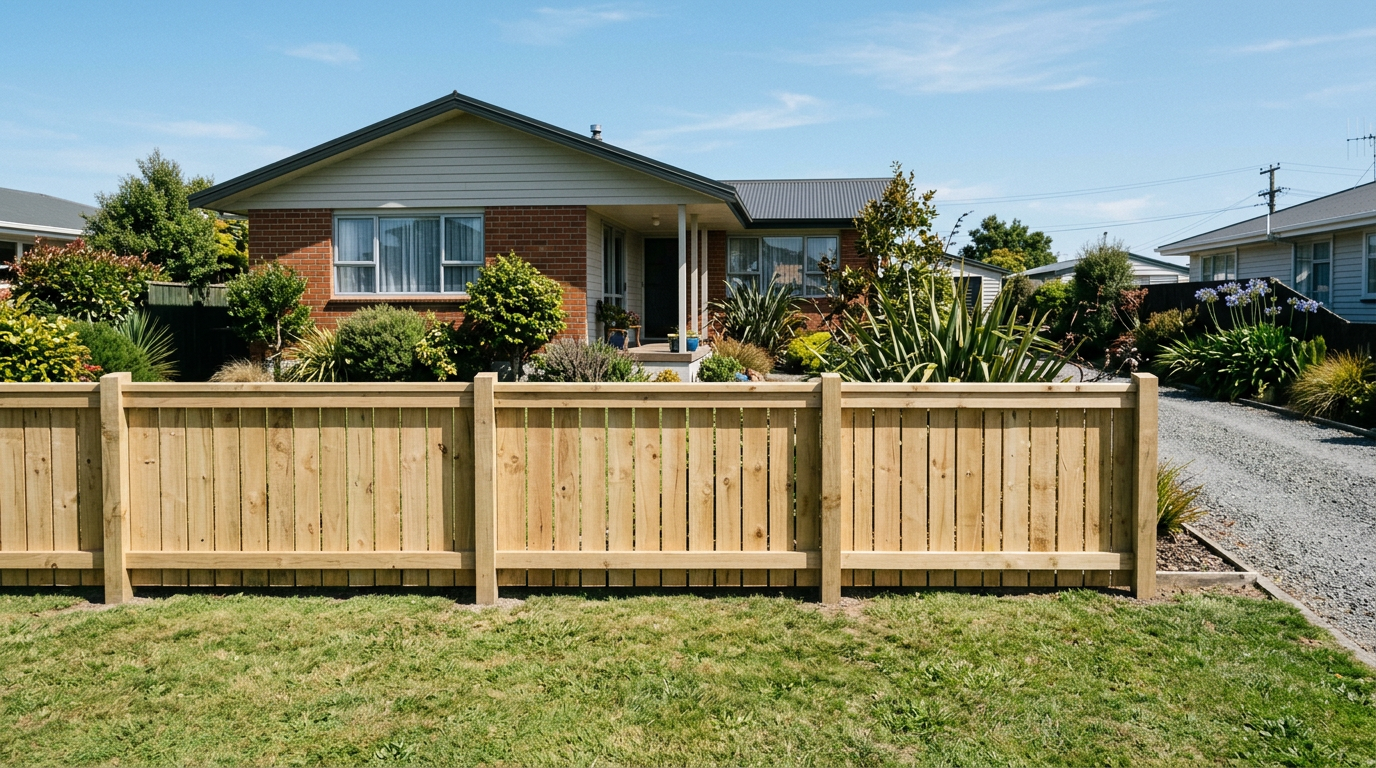
Warping is one of the most common headaches for NZ homeowners with timber fences. Our intense UV radiation, combined with the wet-dry cycles that come with most NZ climates, causes timber to expand, contract, and eventually twist or bow. The good news is that with the right timber choice, proper preparation, and a good coating system, you can dramatically reduce warping and extend the life of your fence.
Why Timber Warps in the NZ Climate
Timber is a hygroscopic material — it absorbs and releases moisture depending on the surrounding conditions. In New Zealand, sunny summer days can rapidly dry out fence palings, while winter rain saturates them again. This constant movement is what causes cupping, bowing, and twisting. Direct UV exposure also breaks down the lignin in wood, causing surface degradation that accelerates moisture uptake.
NZ's UV index is among the highest in the world, so even a fence that performs well in Europe or North America may struggle here without proper protection.
Choose the Right Timber from the Start
Not all timber is equal when it comes to stability. If you're building a new fence or replacing palings, timber selection is your first line of defence.
- Radiata pine (treated) is the most common and affordable option in NZ. Look for H3.2 treated timber for above-ground exterior use — this is the minimum treatment level required for fence palings exposed to the weather under the NZ Building Code.
- Macrocarpa is a naturally durable NZ species that is more dimensionally stable than radiata pine and resists warping well.
- Kwila (merbau) and other hardwoods are dense and stable but come at a higher cost and require specific finishing products.
- Avoid using untreated or H1.2 timber outdoors — it will absorb moisture rapidly and warp quickly.
When buying timber, look for kiln-dried (KD) boards where possible. Kiln drying reduces the moisture content before installation, meaning the timber has less movement to do once it's up. Check with your supplier at Bunnings, Mitre 10, or PlaceMakers.
Correct Installation Makes a Big Difference
Even the best timber will warp if it's installed incorrectly.
- Allow for expansion gaps between palings (typically 5–10 mm) so timber can move without buckling against neighbouring boards.
- Fix palings with two fasteners per rail to prevent rotation and twisting. Use hot-dipped galvanised or stainless steel nails or screws — these won't rust and stain the timber, and they grip better over time.
- Keep timber off the ground. Bottom rails and palings should have clearance above soil level to prevent wicking moisture from the ground. A minimum of 150 mm clearance is a good general guide, though check manufacturer recommendations for your specific timber treatment.
- Orient palings so the heart side faces out where possible — this is the concave side when the board cups, and facing it outward means any cupping sheds water rather than holding it.
Apply a Quality Coating System
A good coating is your fence's primary defence against UV and moisture. This is where many homeowners cut corners — and pay for it later.
Preparation
Always start with clean, dry timber. New treated timber should be allowed to weather for 4–8 weeks before coating, or follow the specific instructions from your coating manufacturer, as some products can be applied sooner.
Coating options
| Product Type | UV Protection | Moisture Resistance | Maintenance Frequency |
|---|---|---|---|
| Clear penetrating oil | Low–Medium | Medium | Every 1–2 years |
| Pigmented timber stain | Medium–High | Medium–High | Every 2–3 years |
| Solid colour paint | High | High | Every 4–7 years |
Pigmented stains and solid colour paints offer the best UV protection because the pigment absorbs and reflects UV rays. Clear or lightly tinted products let UV through and offer less protection. Resene and Dulux both offer timber coating systems specifically formulated for NZ exterior conditions — their technical staff can advise on the right product for your timber type.
Always coat all six sides of each paling — including the ends — before installation. End grain is the most vulnerable point for moisture entry and is frequently missed.
Ongoing Maintenance
- Inspect your fence annually, ideally in autumn, for cracking, peeling, or grey weathered patches.
- Clean before recoating — a light wash with a diluted timber cleaner removes mould, dirt, and UV-degraded surface material so the new coat bonds properly.
- Recoat on schedule. Waiting until the coating has completely failed means moisture has already been getting in, and warping may already be underway.
- Trim back overhanging vegetation that keeps fence palings damp and shaded — damp, shaded timber is a recipe for warping and rot.
When to Call a Professional
If your fence is already significantly warped, it may be more cost-effective to have a qualified fencer assess whether palings can be re-fixed or need replacing. A professional fencer can also advise on the best timber and fixing system for your specific site conditions — particularly if you're in a coastal area (where salt air accelerates degradation) or a high-wind zone.
Building a new fence over 1.5 m high or on a boundary may require a building consent — requirements vary by council, so always check with your local council before starting work. MBIE Building Performance has general guidance on Schedule 1 exemptions.
You can find qualified local fencers on tradedirectory.co.nz.





