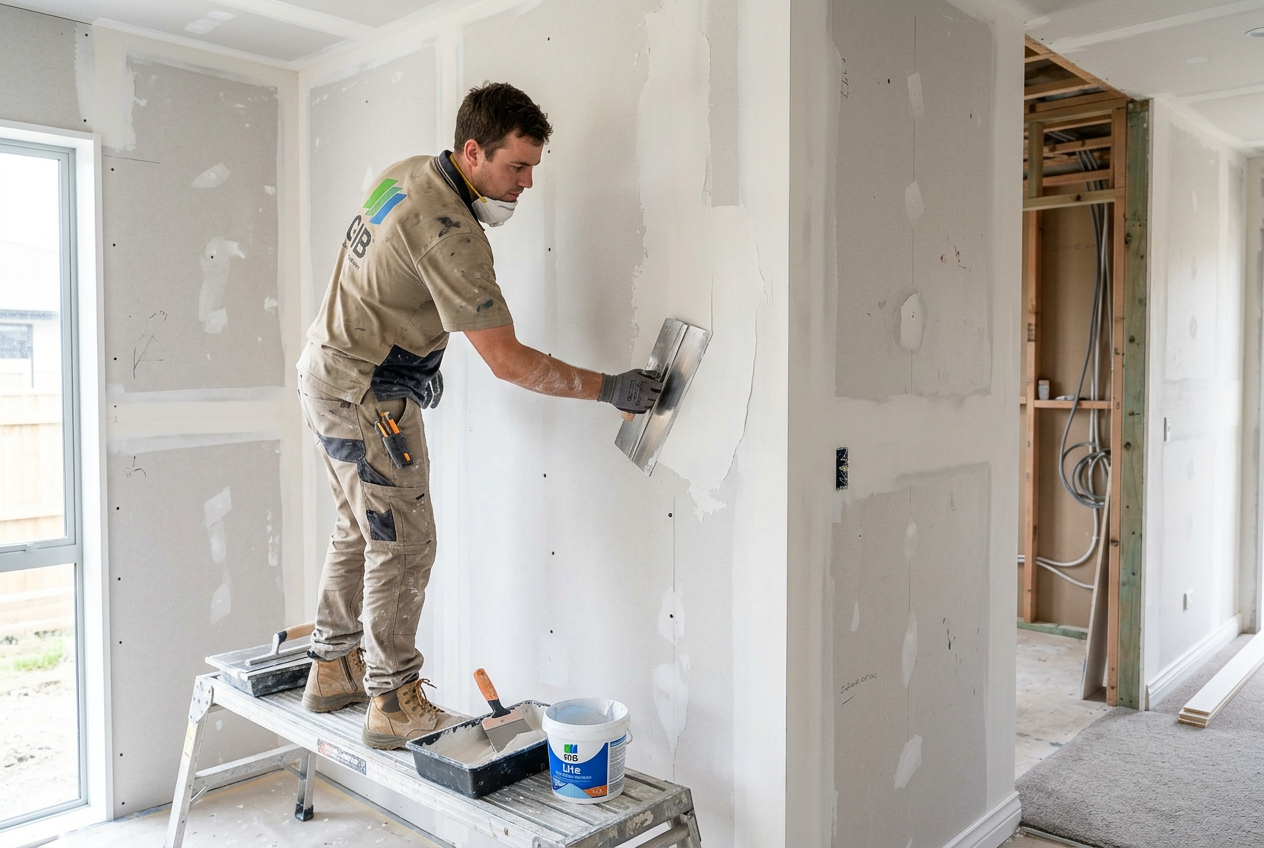
Poor plastering workmanship can be frustrating and costly to fix. Whether you're dealing with cracked plaster, uneven finishes, or work that simply doesn't meet the standard you were promised, you have real options in New Zealand — from a direct conversation with the tradesperson through to formal dispute resolution. Here's a step-by-step guide to help you navigate the process.
Start With the Plasterer Directly
Before escalating anything, give the plasterer a fair chance to respond. Most workmanship issues can be resolved quickly when both parties communicate clearly.
- Document the problem first. Take clear photos and videos of the defective work. Note dates, what was agreed, and what was delivered.
- Put your complaint in writing. Send an email or letter describing the specific issues and what outcome you want (repair, redo, or a reduction in price). Keep a copy.
- Allow a reasonable timeframe. Give the plasterer a set number of days (typically 5–10 working days) to respond and propose a remedy.
A written record is essential if the dispute escalates later.
Check Your Contract and Consumer Rights
If you have a written contract, review it carefully. It should outline the scope of work, materials, finish standard, and any warranty or defects liability period.
Even without a written contract, the Consumer Guarantees Act 1993 protects you. Under this Act, services must be carried out with reasonable care and skill, and the result must be fit for purpose. If the plasterer's work falls short, you're entitled to have it remedied at no extra cost, or to a price reduction if a remedy isn't possible.
The Contract and Commercial Law Act 2017 may also be relevant if there are disputes about what was agreed. Consumer NZ has helpful plain-English guidance on your rights when tradespeople don't deliver.
Get an Independent Assessment
If the plasterer disputes your claim, an independent assessment strengthens your case considerably.
- Hire another qualified plasterer to inspect the work and provide a written opinion.
- For more complex situations — particularly exterior plastering systems like stucco or fibre-cement cladding — consider engaging a building consultant or referring to guidance from BRANZ, New Zealand's building research authority.
- Check whether the work was required to meet the NZ Building Code (particularly clauses E2 External Moisture and E3 Internal Moisture (note: E3 relates to internal moisture in wet areas such as bathrooms, not exterior plastering specifically)). If plastering was part of a consented building project, your local council's building department may also have a role.
Escalate to Formal Dispute Resolution
If direct negotiation fails, several formal pathways are available:
Disputes Tribunal
For claims up to $30,000 (or $50,000 by agreement), the Disputes Tribunal is a low-cost, straightforward option. You don't need a lawyer. The Tribunal can order repairs, refunds, or compensation. Apply through the Ministry of Justice website.
Licensed Building Practitioners (LBP) Complaints
If your plasterer holds an LBP licence (which is required for certain restricted building work), you can lodge a complaint with the Licensed Building Practitioners scheme. The LBP Board can investigate and impose penalties, including suspension or cancellation of a licence. Note that not all plastering work is restricted building work — check with your council or the LBP website to confirm whether your job required a licensed practitioner.
Building Disputes Tribunal
For larger or more complex construction disputes, the Building Disputes Tribunal (a specialist adjudication service) may be appropriate. This is faster than the courts but more formal than the Disputes Tribunal.
Fair Trading Act
If the plasterer made misleading claims about their qualifications, experience, or the quality of their work, the Fair Trading Act 1986 may apply. You can report concerns to the Commerce Commission.
Is Plastering Restricted Building Work?
In New Zealand, some plastering — particularly exterior plastering on weathertight systems — may form part of Restricted Building Work (RBW), which must be carried out or supervised by a Licensed Building Practitioner. If RBW was done by an unlicensed person, this is a serious matter that should be reported to MBIE Building Performance and your local council.
Always confirm with your council whether your specific project required an LBP.
When to Call a Professional
If the defective plastering is part of a larger weathertightness failure — for example, moisture getting into walls through a failed exterior plaster system — you should engage a licensed building consultant or weathertight assessor promptly. Ongoing moisture damage can escalate quickly and affect the structural integrity of your home. BRANZ and MBIE Building Performance both provide guidance on weathertightness issues.
For future plastering work, finding a reputable, qualified tradesperson from the start is the best protection. You can search for local plasterers on tradedirectory.co.nz and check whether they hold an LBP licence before hiring.

 Master Painters NZ member








