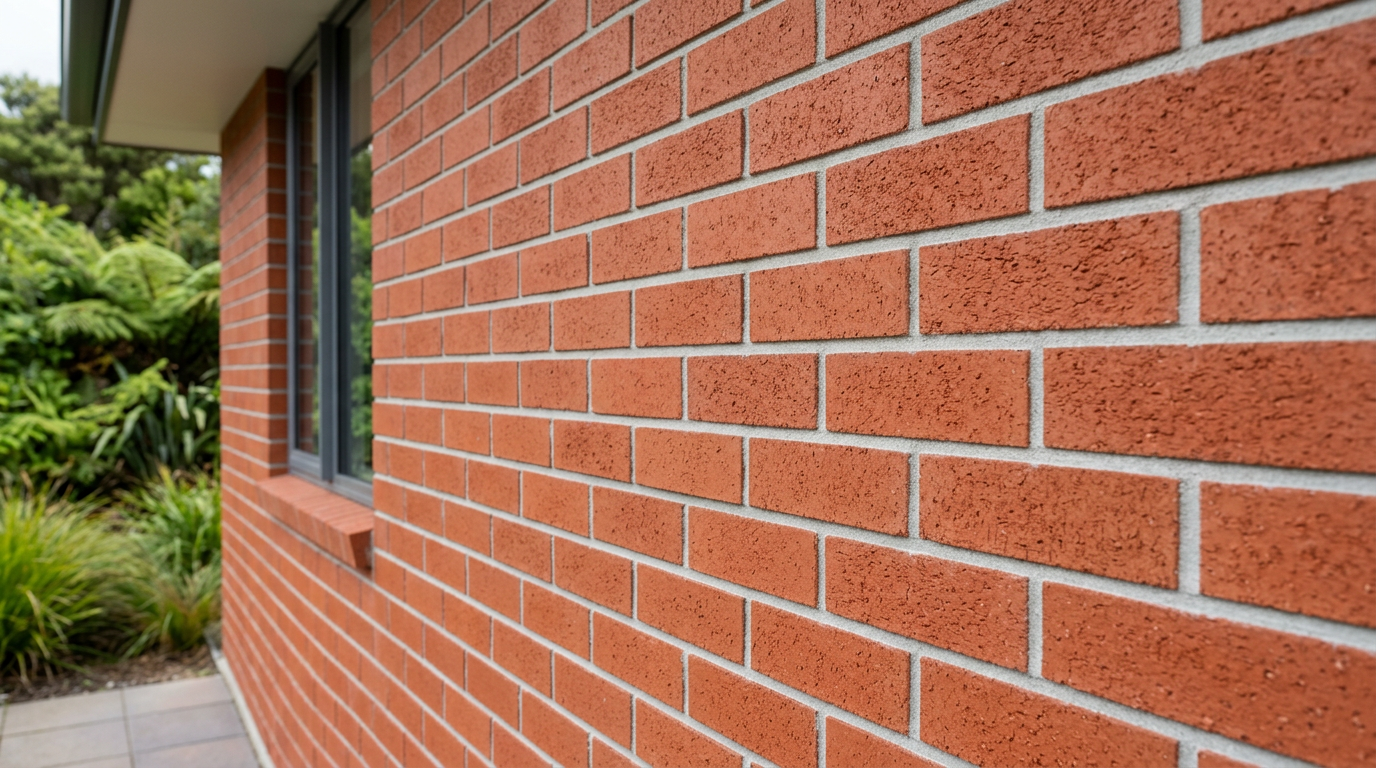
When you receive a quote from a bricklayer, it isn't always obvious whether the price covers just their time on the tools or whether bricks, mortar, ties, and other materials are included as well. In New Zealand, quoting practices vary between tradespeople, so it pays to know exactly what you're comparing before you commit. A little due diligence upfront can save you from a nasty surprise when the invoice arrives.
What a Bricklaying Quote Should Spell Out
A well-written quote will clearly itemise what is and isn't included. Look for the following sections:
- Labour – the cost of the bricklayer's time, usually calculated per square metre of brickwork or as a fixed project price.
- Materials – bricks or blocks, mortar (cement, sand, lime), wall ties, damp-proof course (DPC) membrane, lintels, and any reinforcing steel.
- Plant and equipment – scaffolding hire, mixer hire, or delivery charges.
- Waste and cutting allowance – a percentage added to the material quantities to account for breakage and cuts.
- GST – all NZ quotes should state whether GST is included or excluded. If it says "plus GST," add 15% to every line.
If the quote is a single lump-sum figure with no breakdown, ask the bricklayer to provide a detailed written breakdown before you accept it.
Common Quote Formats You'll Encounter
| Quote Type | What It Means | Watch Out For |
|---|---|---|
| Supply and install | Materials + labour included | Confirm which materials exactly |
| Labour only | You supply all materials | You carry the cost risk if prices rise |
| Schedule of rates | Priced per m² or per 1,000 bricks | Final cost depends on actual quantities |
| Provisional sum | Estimated allowance for unknown items | Can change significantly at invoice time |
Key Questions to Ask Your Bricklayer
Don't be shy — a professional tradesperson will expect these questions:
- "Is this a supply-and-install quote?" – The simplest way to confirm materials are included.
- "What materials are covered?" – Bricks and mortar are obvious, but ask about wall ties, lintels, DPC, and any waterproofing products.
- "Who sources the bricks?" – If you're matching existing brickwork, you may need to source the bricks yourself. Matching aged or discontinued brick profiles can be tricky in NZ.
- "Are delivery and scaffolding included?" – These costs can add up quickly on a two-storey job.
- "What happens if material costs change before work starts?" – Some quotes are only valid for 30 days due to fluctuating material prices.
- "Does the price include GST?" – Always confirm this in writing.
Understanding Provisional Sums and Allowances
If your quote contains a provisional sum (PS), it means the bricklayer has made an educated estimate for something that can't be fully priced yet — for example, if the exact brick hasn't been chosen. The final cost will be adjusted once the actual expense is known. Provisional sums are legitimate, but make sure you understand which line items are fixed and which are estimates before you sign.
Building Consent and NZ Code Considerations
Depending on the scope of work, your bricklaying project may require a building consent from your local council. Structural brickwork — such as a new brick wall, retaining wall over 1.5 m, or brick veneer cladding — will generally need consent under the NZ Building Code. Some minor repairs and like-for-like replacements may fall under Schedule 1 exemptions, but always check with your council first rather than assuming.
Brickwork used as an exterior cladding system must also comply with NZ Building Code Clause E2 (External Moisture), which sets requirements for weather-tightness. Your bricklayer should be familiar with these requirements, and if they are a Licensed Building Practitioner (LBP), they are legally required to carry out and supervise restricted building work to the correct standard. Always ask to see their LBP licence number.
For technical guidance on materials and construction methods, BRANZ is an excellent NZ resource used widely by the building industry.
Getting Multiple Quotes and Comparing Them Fairly
To compare quotes accurately, make sure each bricklayer is pricing the same scope of work. Provide a simple written brief that includes:
- The area of brickwork in square metres
- The brick type or specification (if known)
- Whether scaffolding will be needed
- Any special requirements (matching existing brickwork, feature walls, arches)
If one quote is significantly cheaper than the others, find out why. It may mean materials aren't included, a lower-quality brick has been assumed, or the bricklayer has underestimated the job.
When to Call a Professional
Bricklaying is a skilled trade, and structural brickwork is restricted building work under the Building Act, meaning it must be carried out or supervised by a Licensed Building Practitioner. Even for non-structural work, hiring a qualified bricklayer ensures the job meets the NZ Building Code and won't cause problems when you come to sell your home. You can find qualified local bricklayers on tradedirectory.co.nz.
If your project involves any drainage, waterproofing membranes connected to the plumbing system, or gas lines near the work area, make sure those elements are handled by the appropriate licensed tradespeople — a plumber registered with the Plumbers, Gasfitters and Drainlayers Board or an electrician registered with the EWRB.


 Licensed Building Practitioner (LBP)









