Knowing whether your insulation installer is using the correct R-value products comes down to understanding what the NZ Building Code requires for your home, checking the product labels yourself, and asking your installer the right questions. With insulation being one of the most cost-effective ways to improve your home's warmth and energy efficiency, getting the R-value right matters — both for comfort and for compliance.
What Is an R-Value and Why Does It Matter?
R-value measures a material's resistance to heat flow. The higher the R-value, the better the insulation performs. In New Zealand, R-values are expressed in metric units (m²·K/W). The required minimum R-values for new builds and major alterations are set out in NZS 4218 and referenced in the NZ Building Code — specifically Clause H1 (Energy Efficiency).
Minimum requirements vary depending on your climate zone. New Zealand is divided into three climate zones:
| Climate Zone | Typical Areas | Min. Ceiling R-Value | Min. Underfloor R-Value | Min. Wall R-Value |
|---|---|---|---|---|
| Zone 1 | Northland, Auckland, Coromandel | R2.9 | R1.3 | R1.9 |
| Zone 2 | Waikato, Wellington, Nelson, most of NI | R3.3 | R1.3 | R1.9 |
| Zone 3 | Canterbury, Otago, Southland, Central Plateau | R6.6 | R1.3 | R2.0 |
Note: These figures reflect H1 requirements as commonly applied — always confirm current minimums with your local council or MBIE Building Performance, as requirements are updated periodically.
How to Check the Products Being Installed
Ask for the Product Specification Sheet
Before work begins, ask your installer to provide the product data sheet or specification sheet for the insulation they plan to use. This document will clearly state the R-value. Reputable products from well-known NZ suppliers will have this information readily available.
Check the Packaging Label
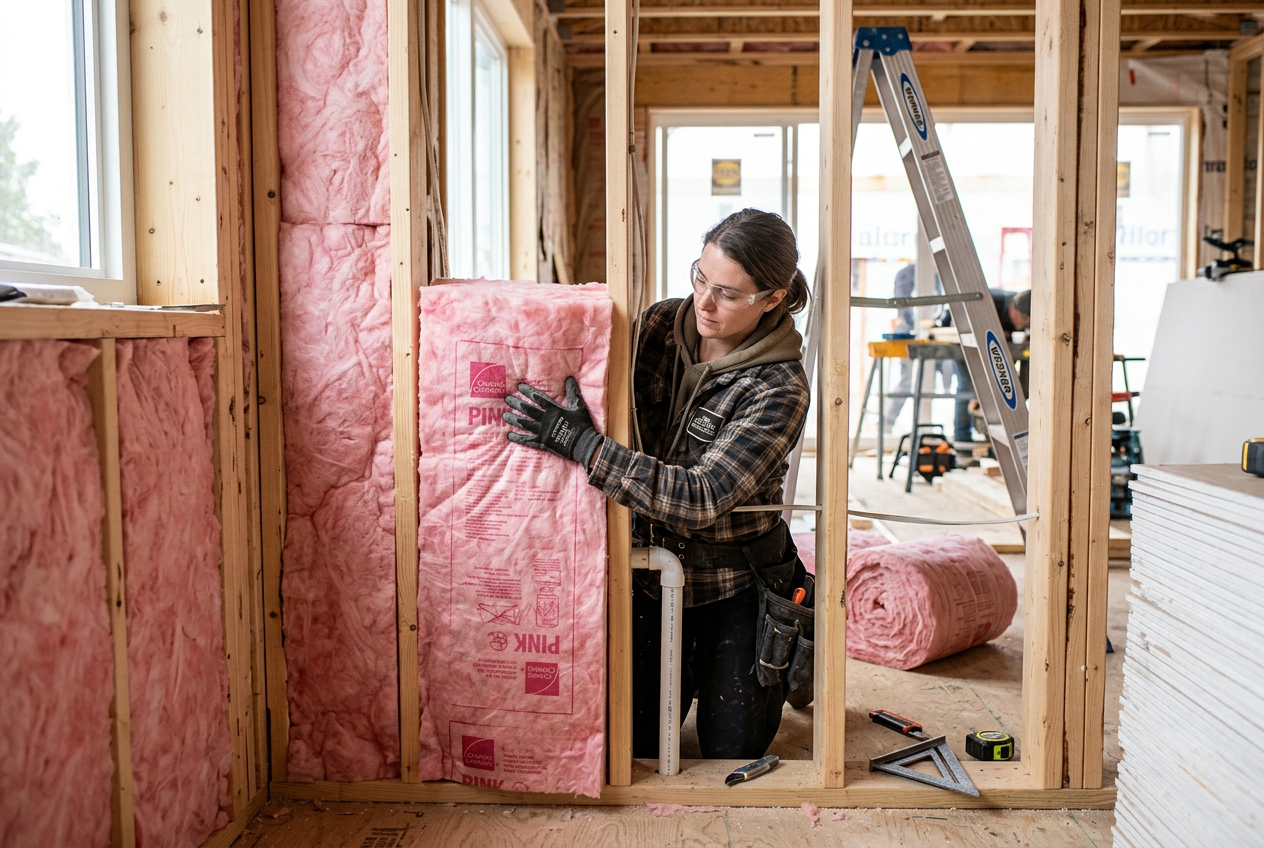
All insulation sold in New Zealand must display its R-value on the packaging. Once the installer arrives on site, you are well within your rights to look at the bags, rolls, or batts before they go in. The R-value printed on the label is what you're paying for — make sure it matches what was quoted.
Look for the CodeMark or Appraisal
Some insulation products carry a CodeMark certificate or a BRANZ Appraisal, which independently confirms the product meets NZ Building Code requirements. Ask your installer if the product they're using has one of these. You can search for appraised products on the BRANZ website.
Verify the Installed Thickness
R-value is directly related to the thickness of the installed product. If a product is compressed during installation (for example, bulk insulation squeezed into a cavity that's too shallow), its effective R-value drops. Ask your installer to confirm the installed thickness matches the manufacturer's specification for the stated R-value.
What to Ask Your Insulation Installer
Don't be shy about asking questions — a professional installer will welcome them. Key questions include:
- What brand and product name are you using, and what is its R-value?
- Does this meet the H1 requirements for my climate zone?
- Will you provide documentation or a producer statement confirming compliance?
- Is the product CodeMark certified or BRANZ appraised?
- How will you ensure the insulation isn't compressed or damaged during installation?
Healthy Homes Standards for Rental Properties
If your property is a rental, the Healthy Homes Standards set specific minimum R-values for ceiling and underfloor insulation. Landlords must meet these requirements, and tenants can check compliance. For full details, visit Tenancy Services. Installers working on rental properties should be familiar with these requirements and provide written confirmation of compliance.
Red Flags to Watch Out For
- An installer who can't name the specific product or provide a data sheet
- Pricing that seems unusually low (this can indicate a lower R-value product is being substituted)
- No written quote specifying the R-value and product name
- Insulation batts that look thinner than expected once installed
- Reluctance to let you inspect the packaging
For guidance on energy-efficient insulation choices, Energywise provides useful, impartial advice for NZ homeowners.
When to Call a Professional
Installing insulation in most areas of a home is not restricted building work under the Building Act, so homeowners can sometimes do it themselves. However, if your project requires a building consent (check with your local council — Schedule 1 exemptions may apply), or if insulation is being installed near electrical wiring, recessed lighting, or in a new build, you should use a qualified installer. Work near electrical components must comply with WorkSafe NZ guidelines, and any electrical work must be carried out by a registered electrician licensed under the Electrical Workers Registration Board.
For peace of mind, hire a reputable local insulation installer — you can find qualified professionals in your area on tradedirectory.co.nz. Always get a written quote that specifies the product name, R-value, and climate zone compliance.