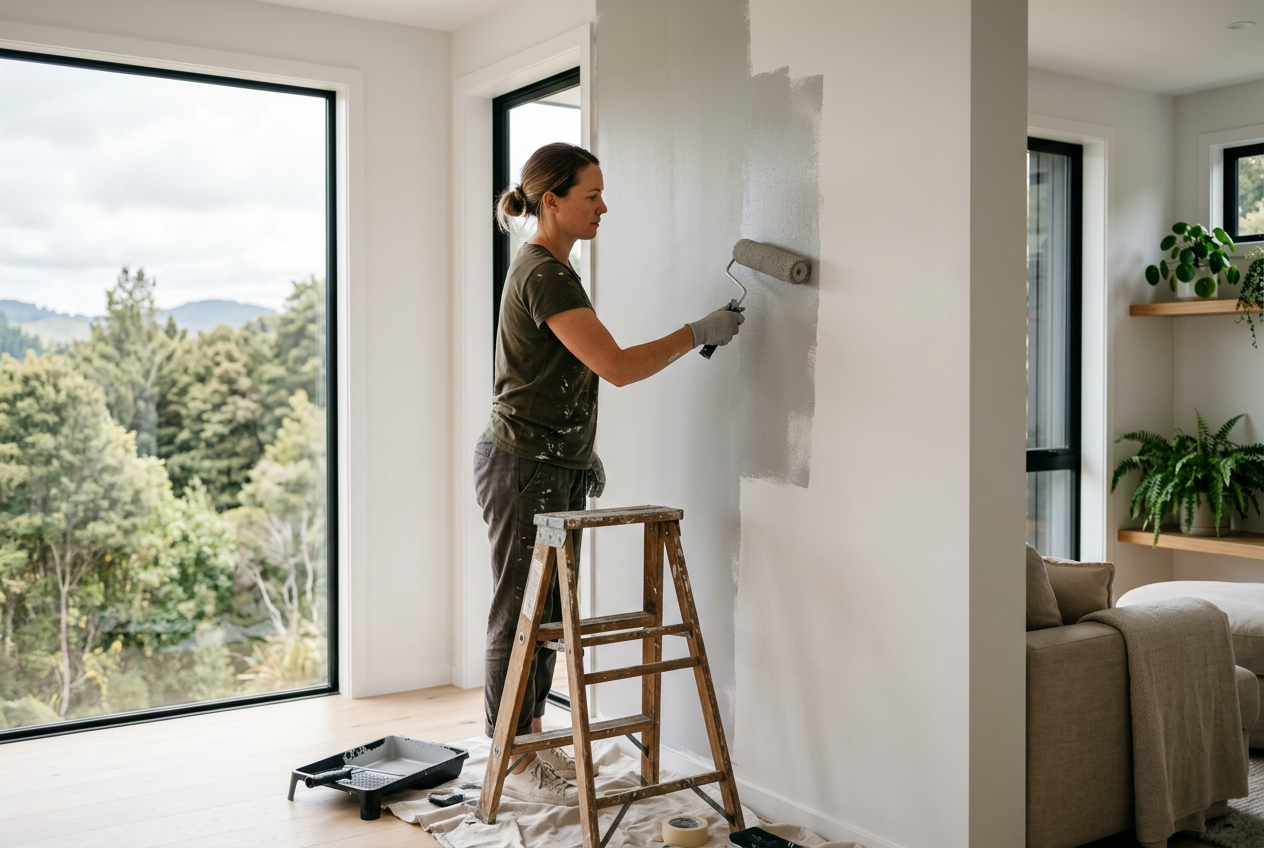
Getting a painting quote can feel a bit like buying a used car — you're not always sure if you're getting a fair deal or being taken for a ride. The good news is that with a bit of know-how, you can confidently assess whether a painter's quote stacks up. Here's what to look for.
What Should a Painter's Quote Include?
A professional painter's quote should be detailed and in writing. Be cautious of vague, verbal estimates. A solid quote will typically cover:
- Scope of work — exactly which surfaces are being painted (walls, ceilings, trims, doors, exterior cladding, etc.)
- Surface preparation — filling holes, sanding, washing down, priming, and any repairs
- Number of coats — usually two finish coats over a primer, though this varies by job
- Paint products specified — brand, product name, and sheen level (e.g. Resene Zylone Sheen, Dulux Weathershield, Wattyl Solagard)
- Labour and materials — either itemised separately or as a combined total
- Timeline — estimated start and completion dates
- Payment terms — deposit amount, progress payments, and final payment
- Warranty or guarantee — what's covered and for how long
If a quote is just a single dollar figure scrawled on a piece of paper, ask for more detail before proceeding.
Why Do Quotes Vary So Much?
It's completely normal to receive quotes that differ significantly — sometimes by thousands of dollars. The main reasons include:
- Preparation work — a thorough painter will spend more time (and charge more) on prep, which is actually where the quality is won or lost
- Paint quality — premium paints cost more but last longer and look better
- Experience and reputation — a highly experienced tradesperson may charge more but deliver superior results
- Business overheads — GST-registered businesses with insurance and proper gear cost more to run than a cash-in-hand operator
- Access and complexity — multi-storey homes, intricate joinery, or hard-to-reach areas add time and cost
| Factor | Budget Quote | Mid-Range Quote | Premium Quote |
|---|---|---|---|
| Prep work | Minimal | Moderate | Thorough |
| Paint brand | Generic/trade | Reputable NZ brand | Top-tier product |
| Coats | 1–2 | 2 | 2–3 |
| Guarantee | None | Limited | Written warranty |
| GST registered | Sometimes not | Usually yes | Yes |
How to Compare Quotes Fairly
To compare apples with apples, make sure each painter is quoting on the same scope of work. Ask each one to specify:
- The exact paint products they'll use (so you can check RRP at Resene or Dulux)
- How many coats they're applying
- What surface preparation is included
- Whether the quote is GST-inclusive
Get at least three quotes for any significant job. If one quote is dramatically lower than the others, ask why — it may mean corners are being cut on prep or paint quality.
Rough Price Ranges (As a Guide Only)
Painting costs vary widely depending on region, access, and condition of surfaces. As a very rough guide only:
- Interior room (walls and ceiling): costs can range from a few hundred dollars for a small room to over a thousand for a large or complex space
- Full interior repaint (average 3-bedroom home): typically several thousand dollars
- Exterior repaint: often more expensive than interior due to prep, access, and weather-resistant products required
Always treat any price range as a starting point only — your actual quote will depend on your specific home and circumstances.
Red Flags to Watch For
- No written quote — always get it in writing
- Unusually large upfront deposit — a reasonable deposit is typically 10–20%; be wary of anyone asking for 50% or more before work starts
- No mention of preparation — skipping prep is the most common cause of paint failure
- No GST on the invoice — if a tradesperson is earning over the GST threshold, they must be registered; ask to see their GST number
- Pressure to decide immediately — reputable tradespeople don't need to pressure you
- No public liability insurance — always ask if they're insured
Consumer NZ has useful general guidance on hiring tradespeople and understanding your consumer rights.
Checking Paint Product Costs Yourself
One handy trick: look up the paint products specified in the quote. You can check prices at Resene, Dulux, or Wattyl to get a sense of material costs. This helps you understand how much of the quote is labour versus materials, and whether the painter is using quality products.
When to Call a Professional
For anything beyond a small touch-up, hiring a qualified painter is strongly recommended. Exterior painting in particular involves working at height, which carries real safety risks — WorkSafe NZ has clear guidelines around working safely at height. A professional will also understand NZ's variable climate and choose products suited to your region, whether you're dealing with the humidity of Auckland or the UV intensity of Central Otago.
You can find qualified, reviewed painters in your area right here on tradedirectory.co.nz.

 BCITO Qualified

 Master Painters NZ
 Site Safe