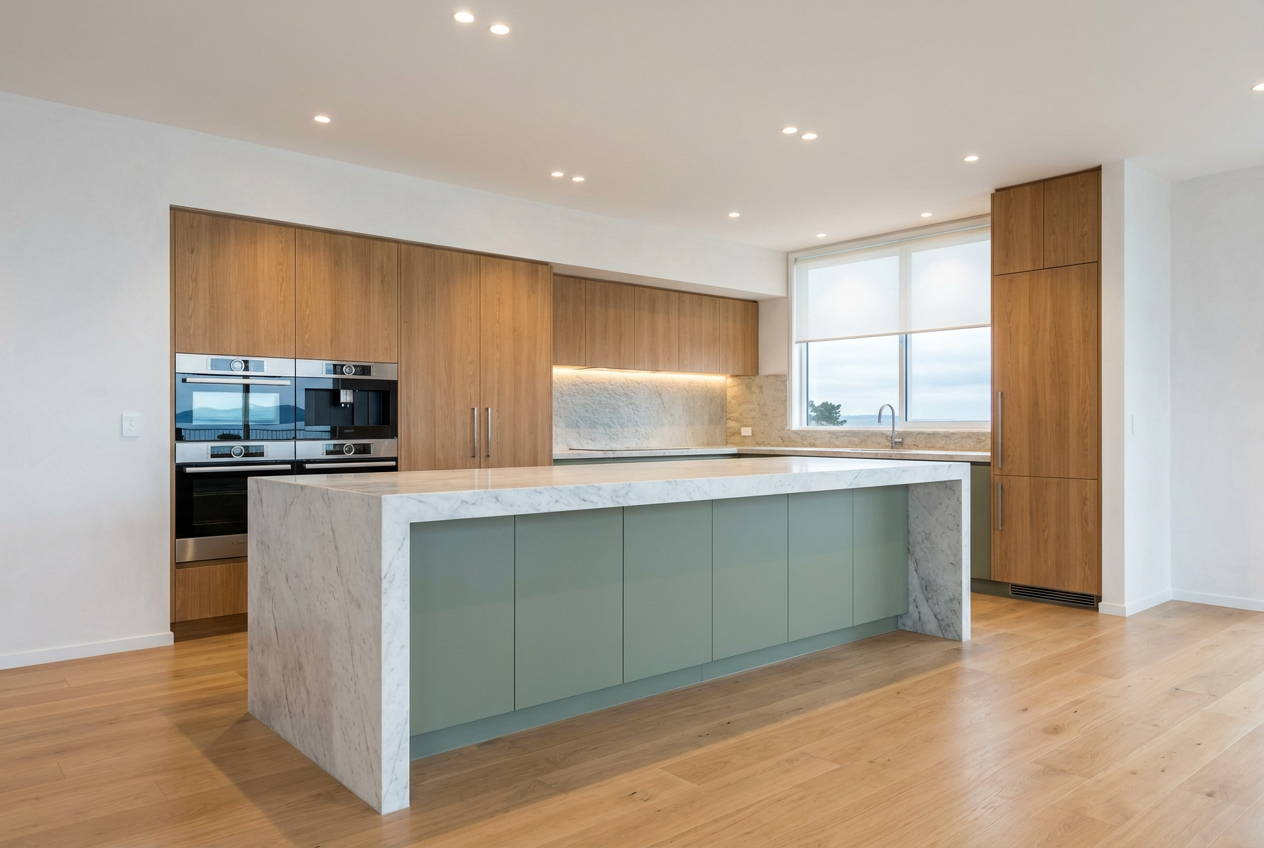
Getting a quote from a joiner can feel a bit like reading a foreign language — especially if it's your first time commissioning custom cabinetry, a new kitchen, or bespoke timber work. The good news is that with a little know-how, you can assess whether a quote is reasonable, ask the right questions, and feel confident you're getting fair value for your money.
What Does a Joiner Actually Do?
A joiner is a skilled tradesperson who designs, manufactures, and installs timber-based fittings — think kitchens, wardrobes, bathroom vanities, window joinery, staircases, and built-in furniture. Unlike a carpenter who works mainly on-site, much of a joiner's work happens in a workshop before installation. This distinction matters when you're reading a quote, because you're often paying for both workshop fabrication time and on-site installation.
What Goes Into a Joiner's Quote?
Understanding the components of a quote helps you compare apples with apples. A well-structured joinery quote should break down:
- Materials — timber species, board products (e.g. MDF, plywood, melamine), hardware (hinges, handles, drawer runners), and any finishing products such as Resene or Dulux paints or lacquers
- Labour — workshop fabrication hours and on-site installation hours, often listed separately
- Design and measure-up fees — some joiners charge for detailed drawings or CAD plans
- Delivery and freight — especially relevant if the workshop is out of town
- GST — always confirm whether the quoted price is GST-inclusive or exclusive
If a quote is just a single lump sum with no breakdown, ask for more detail. A reputable joiner should be happy to itemise their pricing.
Key Factors That Affect Joinery Costs in NZ
Prices vary widely depending on several factors:
| Factor | Lower Cost | Higher Cost |
|---|---|---|
| Material | MDF, melamine board | Solid native timber, plywood |
| Finish | Wrap or laminate | Two-pack paint, veneer |
| Hardware | Standard hinges/runners | Soft-close, European brands |
| Complexity | Simple box construction | Custom curves, inlays, intricate detail |
| Location | Main centres | Remote or rural NZ |
| Lead time | Flexible schedule | Urgent turnaround |
Native timbers like rimu or matai will cost significantly more than imported pine or engineered board products — and rightly so, given their scarcity and the skill required to work them.
How to Compare Multiple Quotes
The golden rule: get at least three quotes for any significant joinery job. When comparing them, check that each quote covers the same scope of work. Ask yourself:
- Are the same materials and hardware specified in each quote?
- Does each quote include installation, or just supply?
- Are the dimensions and quantities the same?
- What are the payment terms and deposit requirements?
- What is the warranty on workmanship and materials?
A quote that looks cheap may be using lower-grade board, basic hardware, or excluding installation. A higher quote may reflect better materials, more experienced tradespeople, or a more thorough measure-up.
Red Flags to Watch For
- No written quote — always get everything in writing before work starts
- Very large upfront deposit — a deposit of 10–30% is typical; be cautious of requests for a very large deposit before any work begins
- Vague scope — if the quote doesn't specify materials, dimensions, or finishes, disputes are more likely
- No mention of lead times — custom joinery takes time; a realistic timeframe should be stated
- No NZ Business Number (NZBN) or company details — check the business is legitimate
What's a Reasonable Price? (Broad Guidance Only)
Prices vary considerably across NZ regions and between joiners, so treat any figures as a rough guide only. As a general indication, a standard kitchen supply and install can range from around $15,000 to well over $40,000 depending on size, materials, and complexity. A single wardrobe fit-out might range from a few hundred dollars for a flat-pack install to several thousand for fully custom built-ins. Always get multiple quotes rather than relying on any single benchmark.
For independent guidance on fair pricing and consumer rights, Consumer NZ is a useful resource.
Does Joinery Work Require a Building Consent?
Most internal joinery work (kitchens, wardrobes, built-in furniture) does not require a building consent under Schedule 1 of the Building Act. However, if your joinery project involves structural changes — such as removing walls to open up a kitchen — a consent may be required. Window and door joinery replacements can also trigger consent requirements depending on the scope. Always check with your local council before starting work. MBIE Building Performance has helpful guidance on when consents are needed.
For work that involves plumbing connections (e.g. kitchen sink, laundry tub), a licensed plumber must carry out the restricted plumbing work. Check the Plumbers Gasfitters & Drainlayers Board to verify a plumber's licence.
When to Call a Professional
For any custom joinery — kitchens, bathrooms, staircases, or bespoke cabinetry — it's well worth engaging a qualified joiner rather than attempting DIY. Joinery requires precision machinery, specialist skills, and an eye for detail that takes years to develop. Poor-quality joinery is expensive to fix and can affect your home's value.
You can find qualified local joiners in your area on tradedirectory.co.nz. Look for joiners who are members of a recognised trade body, carry public liability insurance, and can provide references or a portfolio of past work.