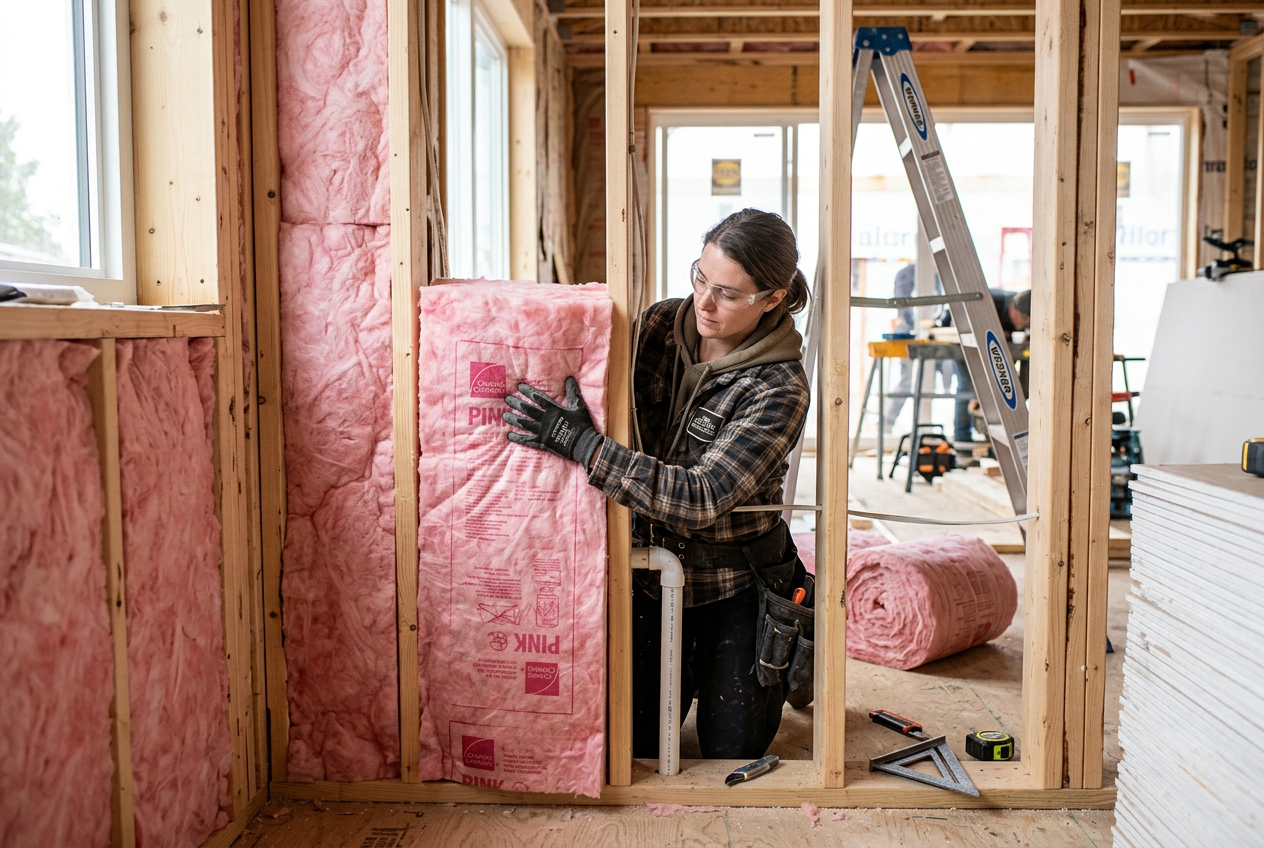
Draught stopping and insulation are two sides of the same coin — insulation slows heat transfer, while draught stopping blocks cold air sneaking in through gaps and cracks. Done together, they deliver far better comfort and energy savings than either alone. The good news is that most draught stopping work is well within a capable DIYer's reach, and tackling it at the same time as your insulation job saves time and disruption.
Why Draught Stopping Matters
New Zealand homes — especially older weatherboard and villa-style houses — are notoriously leaky. Gaps around windows, doors, pipes, and ceiling penetrations can account for a significant amount of heat loss, even in a well-insulated home. Under the Healthy Homes Standards, rental properties must meet specific draught stopping requirements, but the same principles benefit any homeowner. Sealing draughts also reduces moisture movement, which helps protect your insulation's performance over time.
Finding the Draughts First
Before you reach for the sealant, locate where air is getting in or out:
- The hand test: On a cold, windy day, slowly move your hand around door frames, window edges, skirting boards, and ceiling roses. You'll feel cold air on your skin.
- The incense or smoke test: Hold a lit incense stick near suspected gaps — the smoke will waver or be drawn through any opening.
- Visual inspection in the ceiling space: When you're up there installing insulation batts, use a torch to look for daylight or gaps around pipes, wiring, and ceiling penetrations.
- Subfloor inspection: If you're insulating underfloor, check where pipes and cables enter the house and look for gaps in the floor framing.
Common Draught Locations and How to Seal Them
Ceiling Penetrations
This is the big one. Every pipe, cable, flue, and downlight hole in your ceiling is a potential draught pathway — and warm air rises, so ceiling leaks are especially costly.
- Pipes and cables: Use a low-expansion polyurethane foam (available at Bunnings or Mitre 10) or a flexible acoustic sealant to fill gaps around penetrations. Don't use standard silicone on large gaps — it won't bridge them properly.
- Downlights: Recessed downlights are a major source of draughts and heat loss. Fit downlight covers (fire-rated airtight covers) over each fitting before laying ceiling insulation. Check that any cover you use is rated for contact with insulation and complies with your light fitting's clearance requirements — check the manufacturer's instructions.
- Exhaust fans and flues: Seal around the perimeter with appropriate sealant. Never block the actual vent opening.
Subfloor and Underfloor Areas
- Seal gaps where pipes and cables enter through the floor using foam or sealant.
- Check the perimeter where the floor framing meets the foundation — draught-stopping tape or foam can help here.
- Ensure subfloor vents are intact and not blocked; ventilation is important to prevent moisture build-up under the floor.
Doors and Windows
- Fit door seals and draught excluders to exterior doors. Self-adhesive foam tape works for light gaps; for heavier use, consider a brush or rubber seal strip.
- Door bottom seals (automatic drop-down seals or simple brush strips) make a big difference on exterior doors.
- Apply flexible sealant around window frames where they meet the wall lining, if gaps are visible.
Skirting Boards and Cornices
- A bead of paintable flexible sealant along the top of skirting boards and at the cornice line seals the gap between the lining and framing. This is a simple, low-cost job.
Materials to Use — A Quick Guide
| Location | Recommended Product |
|---|---|
| Pipe/cable penetrations (ceiling/floor) | Low-expansion foam or acoustic sealant |
| Downlights | Fire-rated downlight covers |
| Door frames and window edges | Self-adhesive foam tape or rubber seal |
| Skirting boards and cornices | Paintable flexible sealant (acrylic) |
| Large gaps in framing | Low-expansion polyurethane foam |
| Around flues | High-temperature sealant (check product specs) |
Always read the product data sheet and follow the manufacturer's instructions for cure times and application temperatures.
Working Safely in Ceiling and Subfloor Spaces
- Wear a P2 respirator, safety glasses, and gloves when working with insulation and sealants in confined spaces.
- In ceiling spaces, always step on ceiling joists — never on the plasterboard between them.
- Be aware of electrical wiring. Do not disturb or seal around wiring in a way that could cause overheating. If you're unsure about any wiring, stop and consult a licensed electrician.
- Subfloor spaces can be confined and damp — take care and ensure someone knows you're working there.
For more guidance on working safely, refer to WorkSafe NZ.
What About Building Consents?
Most draught stopping and insulation work in existing homes falls under Schedule 1 exemptions to the Building Act and does not require a building consent — but this depends on the scope of work. Always confirm with your local council before starting, particularly if you're making changes to the building envelope or working near fire-rated elements. MBIE Building Performance has useful guidance on what requires consent.
When to Call a Professional
Some work must be done by a licensed tradesperson:
- Electrical work: Any work on wiring, switchboards, or electrical fittings is restricted electrical work under the Electricity Act and must be carried out by a registered electrician. Check the Electrical Workers Registration Board (EWRB) to verify a tradesperson's registration.
- Gas fittings: Any work on gas pipes or appliances is restricted to licensed gasfitters registered with the Plumbers, Gasfitters and Drainlayers Board (PGDB).
- Plumbing: Similarly, plumbing work is restricted — a licensed plumber must carry out any alterations to pipework.
- Complex or large-scale insulation jobs: If you're unsure about the scope, or if your home has unusual construction, it's worth engaging a professional insulation installer. You can find qualified local insulation installers on tradedirectory.co.nz.
A good insulation installer will often carry out basic draught stopping as part of their service — it's worth asking when getting quotes.