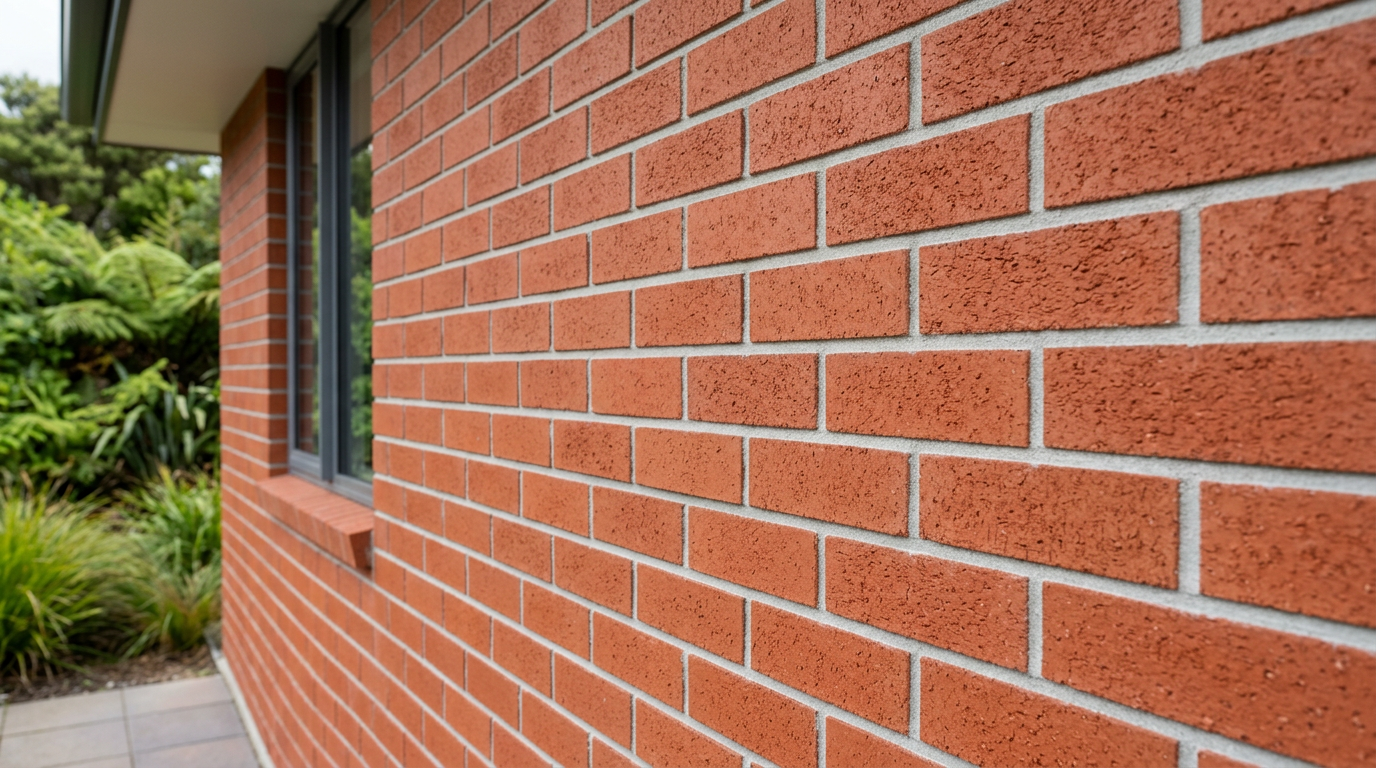
Bricks bulging outward on an old wall is not a cosmetic problem you can simply patch over — it is a structural warning sign that needs careful assessment before any repair work begins. In many cases, especially on older New Zealand homes, bulging brickwork indicates that the wall ties, mortar, or structural support behind the brickwork have failed, and the repair may be beyond a straightforward DIY fix.
What Causes Bricks to Bulge Outward?
Understanding the cause is the first step to choosing the right repair. Common causes in NZ homes include:
- Failed wall ties — Older homes (particularly those built before the 1980s) often used plain steel wall ties that corrode over time. As they rust, they expand and can push bricks outward, or they snap entirely, leaving the outer leaf of brickwork unsupported.
- Mortar deterioration — Lime-based mortars in older walls can wash out or crumble, especially in wet NZ climates, causing bricks to lose their bond and shift.
- Water ingress and freeze-thaw movement — Water trapped behind brickwork expands when temperatures drop, forcing bricks outward. This is more common in southern and alpine regions.
- Foundation movement or subsidence — Ground movement, particularly in areas with expansive soils or earthquake activity, can push walls out of alignment.
- Inadequate original construction — Some older cavity walls were not built to modern standards and may lack proper ties or flashings.
How to Safely Assess the Problem
Before touching anything, stand back and look at the full extent of the bulge. Use a long spirit level or straight edge held against the wall to measure how far out the bricks have moved.
- A bulge of more than 30–50 mm, or one that covers a large area, is a serious structural concern.
- Check whether the bulge is getting worse — mark the edges with a pencil and date it, then check again in a few weeks.
- Look for cracking in the mortar joints, horizontal cracks (which often indicate tie failure), or stair-step cracks (which can suggest foundation movement).
- Check inside the house for corresponding cracks in the interior lining.
Do not attempt to push bricks back by hand or prop the wall without professional advice. A wall that has moved significantly could collapse with little warning.
Is This a Building Consent Issue?
Repair work on a structurally compromised wall may require a building consent depending on the scope of work. Under the NZ Building Code, structural repairs that affect the integrity of a wall are not typically covered by Schedule 1 exemptions. Always check with your local council before starting significant brickwork repairs. The MBIE Building Performance website has guidance on when consent is required.
Repair Options — From Minor to Major
Minor Mortar Deterioration (Small Areas Only)
If the bulge is very slight and caused only by eroded mortar joints with no tie failure, repointing may stabilise the wall. This involves:
- Raking out the old mortar to a depth of at least 15–20 mm using a plugging chisel and hammer (wear safety glasses and a dust mask).
- Brushing out all loose material.
- Applying a fresh mortar mix matched to the original — using too hard a mortar (high cement content) on an old soft-brick wall can cause further damage. A bricklayer can advise on the correct mix.
- Finishing the joint profile to match the existing wall.
This is work a capable DIYer can do on a small area, but matching mortar colour and consistency takes practice.
Wall Tie Replacement
If failed wall ties are the cause, remedial wall ties need to be installed. This is a specialist job. A licensed bricklayer will:
- Drill through the outer leaf into the inner leaf or structural backing.
- Install stainless steel remedial ties (helical or resin-fixed types are common).
- Make good the drill holes with matching mortar.
This work requires the right equipment and knowledge of tie spacing to meet structural requirements. It is not recommended as a DIY repair.
Partial or Full Rebuild
Where the bulge is significant, the affected section of brickwork usually needs to be carefully dismantled and rebuilt. This involves:
- Propping or supporting the structure above before removing bricks.
- Salvaging usable bricks where possible.
- Installing new stainless steel wall ties to current standards.
- Rebuilding with correctly matched mortar and brick coursing.
This is skilled trade work. BRANZ provides technical guidance on masonry repair that bricklayers and engineers reference.
Safety First
A bulging wall is a falling hazard. Keep children and pets away from the area. If the bulge is severe or the wall appears unstable, do not use the area beneath it and get a professional assessment immediately. WorkSafe NZ has guidance on managing hazards from unstable structures.
When to Call a Professional
Call a licensed bricklayer or structural engineer if:
- The bulge is more than 30–50 mm or covers a large section of wall.
- You suspect wall tie failure or foundation movement.
- The wall is load-bearing or supports a roof or floor structure.
- There are corresponding cracks inside the house.
- You are unsure of the cause.
For earthquake-prone areas of NZ, a structural engineer should assess any significant masonry movement before repairs begin. A qualified bricklayer can carry out the physical repair work once the cause is confirmed.
You can find experienced local bricklayers on tradedirectory.co.nz who can assess and repair bulging brickwork safely and to NZ Building Code standards.


 Licensed Building Practitioner (LBP)









