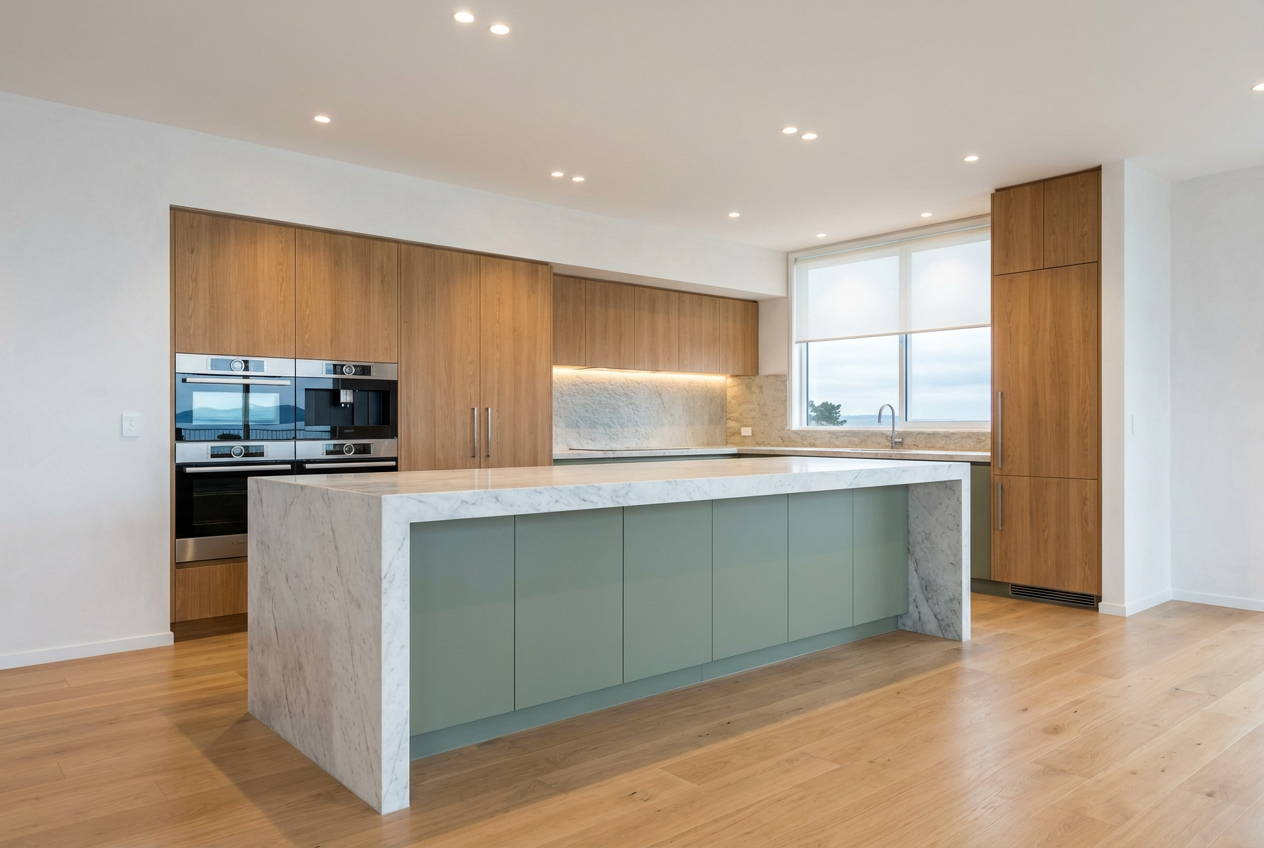
A kitchen cabinet door that refuses to stay closed is one of those small annoyances that quickly becomes a daily frustration. The good news is that in most cases the fix is straightforward, requires only basic tools, and can be done in under an hour. The most common culprits are a faulty or worn magnetic catch, a misaligned hinge, or a door that has warped slightly over time.
Diagnose the Problem First
Before reaching for your screwdriver, take a close look at what the door is actually doing:
- Springs open immediately — likely a worn or broken catch, or a hinge with too much tension.
- Sits slightly ajar or at an angle — usually a hinge alignment issue.
- Bows outward in the middle — the door may have warped.
- Catch clicks but door still pops open — the catch may be out of position or the strike plate misaligned.
Identifying the root cause saves you time and means you won't replace parts unnecessarily.
Fix 1: Adjust or Replace the Catch
Most modern kitchen cabinets use either a magnetic catch or a roller/ball catch to hold the door shut. These are inexpensive and available at Bunnings or Mitre 10.
Magnetic catches
- Open the door and inspect the magnet body (mounted inside the cabinet) and the metal strike plate (on the door).
- Check that both are firmly screwed down — loose screws are a very common cause of failure.
- If the magnet feels weak or is cracked, replace the whole unit. They cost just a few dollars.
- If the door and strike plate aren't lining up, loosen the magnet body screws slightly and slide it forward or back until it makes solid contact with the strike plate, then retighten.
Roller or ball catches
These have a small adjusting screw that controls tension. Use a flat-head screwdriver to increase the tension slightly, then test the door. Don't over-tighten or the door will be hard to open.
Fix 2: Realign the Hinges
Modern concealed (euro-style) hinges — the type found on most contemporary NZ kitchens — are highly adjustable without removing the door. Each hinge has two or three adjustment screws:
- Side-to-side (lateral): Moves the door left or right relative to the cabinet frame.
- Up-and-down (vertical): Raises or lowers the door.
- In-and-out (depth): Moves the door closer to or further from the cabinet face.
Step-by-step:
- Identify which adjustment is needed by watching where the door sits when closed.
- Use a cross-head (Phillips) screwdriver to make small turns — a quarter-turn at a time.
- Close the door after each adjustment to check progress.
- Once aligned, make sure all hinge screws are fully tightened.
If the hinge screws have stripped the holes in the cabinet carcass, remove the hinge, fill the holes with a wooden toothpick and a dab of PVA glue, let it dry, then refit the screws. This gives the screws fresh timber to grip.
Older butt hinges
If your cabinets have traditional surface-mounted butt hinges, check that all screws are tight. If the hinge leaf has bent or the door sags, you may need to replace the hinge entirely.
Fix 3: Address a Warped Door
Timber and MDF cabinet doors can warp due to moisture — a common issue in NZ kitchens, especially in older homes or those with poor ventilation. A slightly warped door may be corrected by:
- Adjusting the hinge depth on concealed hinges to pull the door flatter against the frame.
- Adding a second catch at the point where the door bows out, to hold it in place.
- Weighting the door: In mild cases, laying the door flat with weight on it overnight can reduce the bow — though this is a temporary measure.
If the door is severely warped, replacement is often the most practical solution. Check with your cabinet supplier or a local joiner about sourcing a matching door.
Fix 4: Check the Cabinet Frame
Sometimes the cabinet carcass itself has racked (shifted out of square), particularly in older kitchens or after a house settles. If the frame is out of square, even perfectly adjusted hinges and catches won't keep the door closed properly. Check with a spirit level and square. Minor racking can sometimes be corrected by adjusting the cabinet's levelling feet or shimming the carcass — a job best left to a joiner if you're not confident.
Tools You'll Need
| Tool | Purpose |
|---|---|
| Phillips screwdriver | Hinge and catch adjustment |
| Flat-head screwdriver | Roller catch tension, prying |
| Spirit level | Checking door and frame alignment |
| Tape measure | Checking gap consistency |
| PVA glue + toothpicks | Repairing stripped screw holes |
When to Call a Professional
Most cabinet door fixes are well within DIY reach. However, consider calling a qualified joiner if:
- Multiple doors are misaligned, suggesting the whole kitchen has shifted or settled.
- The cabinet carcass is damaged, rotten, or structurally compromised.
- You need to match an existing door style or finish and can't source the right replacement yourself.
- The problem keeps recurring despite your best efforts.
A skilled joiner can also advise whether it's worth repairing older cabinetry or whether a refresh makes more sense. You can find qualified local joiners on tradedirectory.co.nz.
For kitchens with plumbing under the sink, be aware that any work involving water supply or drainage connections is restricted work under NZ law and must be carried out by a licensed plumber registered with the Plumbers, Gasfitters and Drainlayers Board. Cabinet adjustments themselves are not restricted work.





