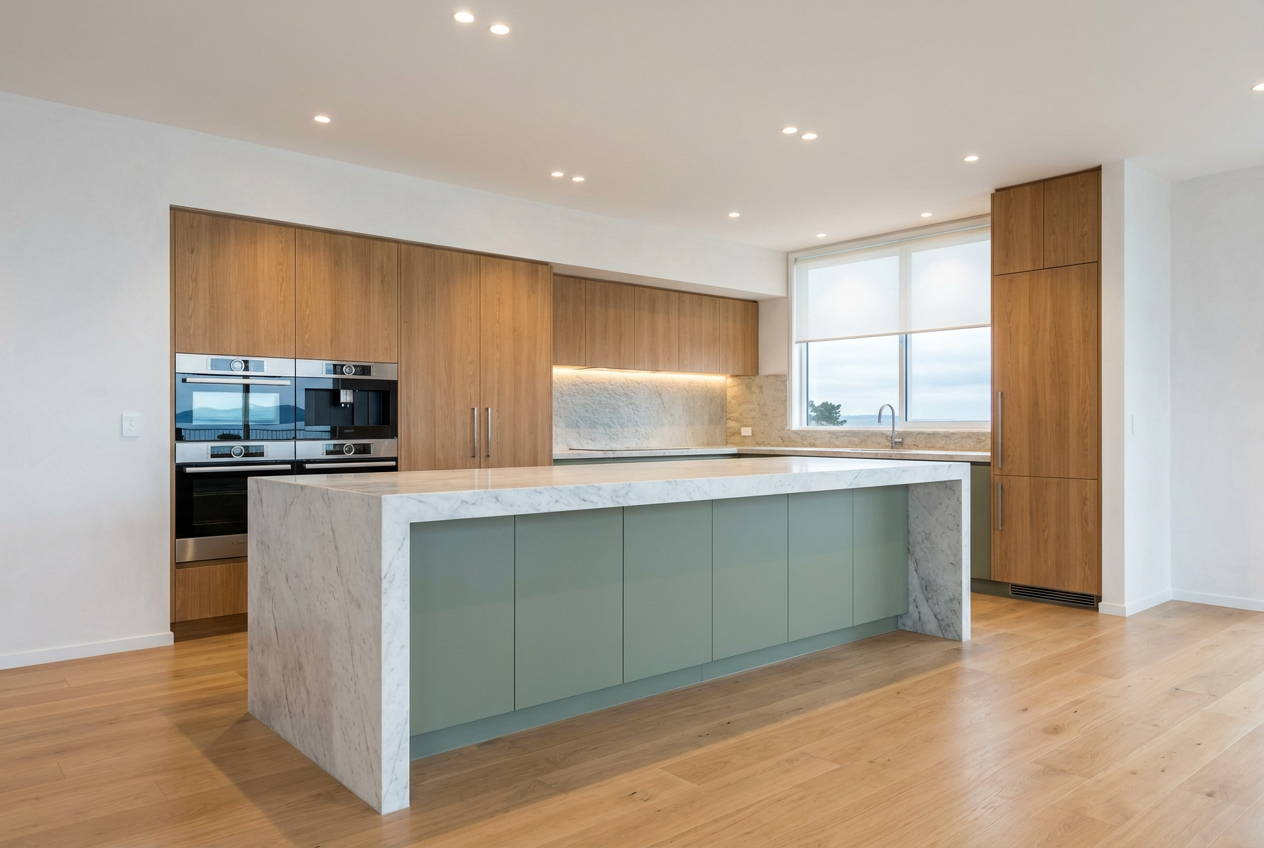
A drawer that sticks out, sits crooked, or simply won't close flush is one of the most common cabinet complaints in NZ homes. The good news is that most causes are straightforward to diagnose and fix yourself with basic tools and a bit of patience.
Why Won't My Drawer Close Flush?
Before reaching for the screwdriver, take a moment to identify what's actually going wrong. The most common culprits are:
- Misaligned drawer runners or slides — the most frequent cause, especially after years of use or if the cabinet has shifted
- Loose or stripped screws holding the runner to the cabinet carcass or drawer box
- A warped or swollen drawer box — common in kitchens and bathrooms where humidity fluctuates (NZ's damp winters don't help)
- Worn or broken roller/ball-bearing slides that no longer hold their position
- Debris or buildup inside the runner channel
- A sagging cabinet carcass caused by the unit not being level
Tools and Materials You'll Need
- Flathead and Phillips screwdrivers
- Cordless drill/driver
- Spirit level
- Tape measure
- Pencil
- Replacement screws (if needed — stainless or zinc-plated to resist moisture)
- Replacement drawer slides (if worn)
- Candle wax or silicone spray lubricant
- Sandpaper (80–120 grit) for swollen timber drawers
Step 1 — Remove the Drawer and Inspect
Pull the drawer fully out. Most modern undermount or side-mount slides have a small release lever or tab — press or lift it to disengage the drawer from the slide. Older wooden runners simply lift out.
With the drawer removed, check:
- Are the slides still firmly attached to the cabinet? Wiggle each one — any movement means loose screws.
- Are the slides level with each other? Use your spirit level.
- Is the drawer box itself square and flat? Place it on a flat surface and check for rocking or bowing.
- Is there any grit, food debris, or built-up grease in the runner channel?
Step 2 — Fix Loose or Misaligned Runners
This is the fix you'll need most often.
- Tighten loose screws first. If the screw holes are stripped, remove the screw, pack the hole with a wooden toothpick and a dab of PVA glue, let it dry, then re-drive the screw.
- Re-align the slides so both are at exactly the same height and the same distance from the front of the cabinet. Measure from the front edge to the slide on each side — they must match.
- Use a spirit level to confirm both slides are perfectly horizontal before tightening fully.
- On adjustable undermount slides (common on European-style cabinetry), look for small adjustment screws — usually a cam or hex screw — that let you shift the drawer left/right and up/down without removing the slide entirely. Consult the slide manufacturer's instructions for your specific model.
Step 3 — Clean and Lubricate
Once aligned, clean the runner channels with a damp cloth and dry thoroughly. Apply a light coat of silicone spray or rub a plain candle along wooden runners. Avoid oil-based lubricants on plastic components as they can attract dust and gum up over time.
Step 4 — Deal With a Swollen or Warped Drawer Box
Timber drawer boxes can swell in humid conditions — a real issue in NZ kitchens and bathrooms. If the drawer box is tight in the opening:
- Sand the sides lightly with 80–120 grit sandpaper, removing material evenly.
- Seal the sanded surfaces with a coat of paint or clear sealer to slow future moisture absorption.
- If the base is bowing, check whether the staples or screws holding it have come loose — re-fix and clamp flat while the glue sets.
A severely warped or delaminated drawer box is often easier to replace than repair. Joiners can make up a new drawer box to match, or you can source flat-pack drawer boxes from suppliers like Bunnings or Mitre 10.
Step 5 — Replace Worn Drawer Slides
If the slides are bent, cracked, or the ball bearings are worn out, replacement is the best option. When buying replacements:
| Feature | What to check |
|---|---|
| Length | Measure the existing slide — common sizes are 300 mm, 400 mm, 450 mm, 500 mm |
| Type | Side-mount, undermount, or centre-mount — must match your cabinet |
| Weight rating | Check the drawer's likely load; most household slides handle 25–45 kg |
| Soft-close | Worth upgrading to if your current slides lack it |
Replacement slides are widely available at Bunnings, Mitre 10, and PlaceMakers.
Step 6 — Check the Cabinet Is Level
If multiple drawers are misbehaving, the cabinet itself may have shifted out of level — common in older NZ homes where floors settle over time. Use a spirit level on the top of the cabinet and adjust the plinth feet (if fitted) or pack under the base until it's level. Re-check all drawer alignment after levelling.
When to Call a Professional
Most drawer fixes are well within DIY reach, but consider calling a qualified joiner if:
- The cabinet carcass is structurally damaged or the joints have failed
- Multiple drawers across several cabinets are misaligned, suggesting a larger installation or settling issue
- You need custom drawer boxes made to a non-standard size
- The cabinetry is high-end or under warranty and you don't want to risk voiding it
A local joiner can diagnose and fix drawer problems quickly — find qualified tradespeople near you on tradedirectory.co.nz.
Safety note: When working inside cabinets, ensure the unit is stable and won't tip. If a tall cabinet is freestanding, have someone steady it or temporarily secure it to the wall before leaning inside.





