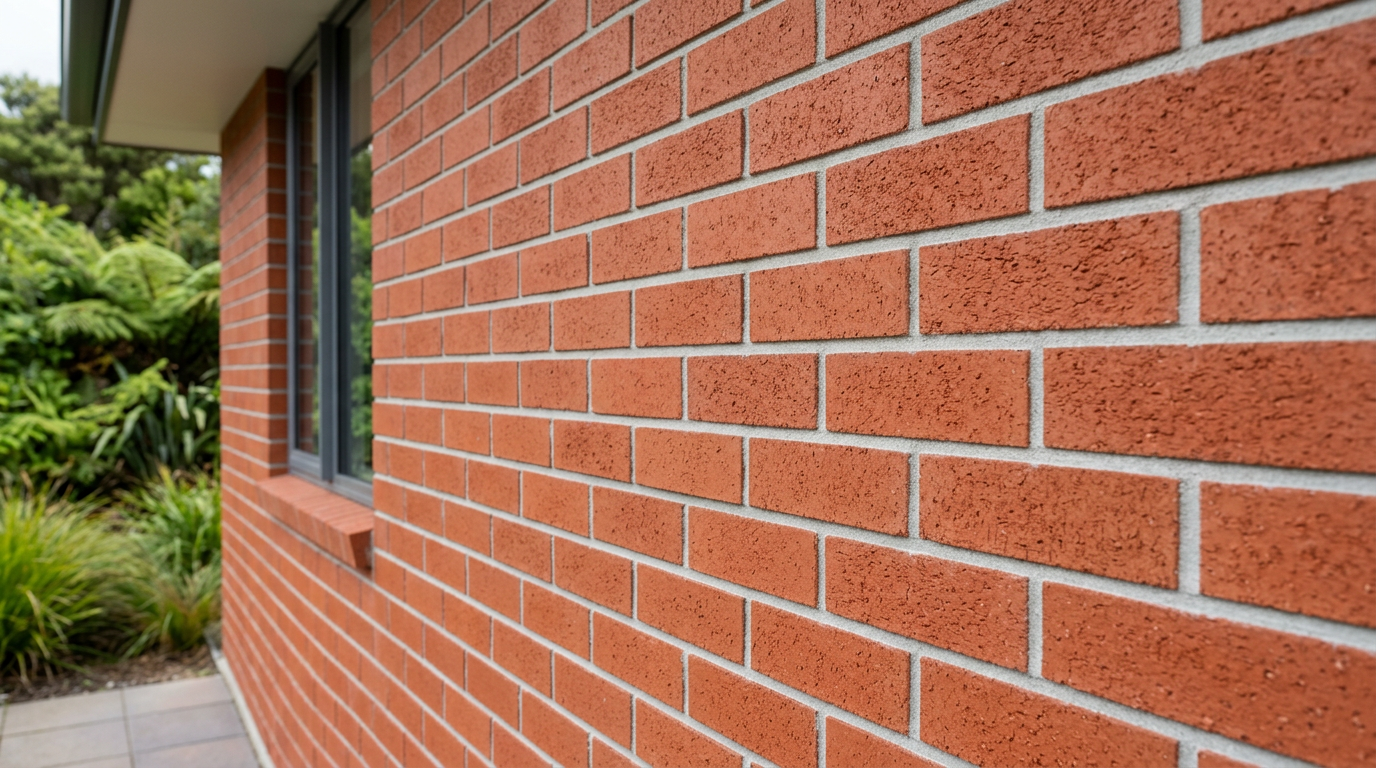
A brick step that has pulled away from the house is more than just an eyesore — it's a trip hazard and a potential entry point for water. The good news is that many loose brick steps can be repaired by a confident DIYer with the right materials and a bit of patience. However, if the movement is significant or the surrounding brickwork is also affected, it's worth getting a professional bricklayer to assess the job first.
Why Do Brick Steps Come Loose?
Understanding the cause helps you fix the problem properly the first time. Common reasons include:
- Failed mortar joints — mortar deteriorates over time, especially in wet NZ climates where freeze-thaw cycles (in colder regions) and moisture cause cracking and crumbling.
- Differential settlement — the step's foundation settles at a different rate to the house, causing separation.
- Poor original construction — steps not properly tied to the house wall or built without adequate base preparation.
- Water ingress — water pooling behind or beneath the step accelerates mortar breakdown and can undermine the base.
- Tree roots or soil movement — common in clay-heavy soils found in many parts of New Zealand.
If the step has simply separated at the mortar joint between the step and the house wall, a repointing and rebedding repair is usually straightforward. If the step itself has shifted, cracked, or the base has subsided, the repair is more involved.
Tools and Materials You'll Need
- Cold chisel and club hammer
- Wire brush and stiff-bristled brush
- Angle grinder with masonry disc (optional, for stubborn mortar)
- Bucket and mixing paddle or drill attachment
- Pointing trowel and margin trowel
- Premixed mortar or bagged sand and cement (see mix note below)
- Bonding agent (e.g. a PVA-based or acrylic bonding agent — check with your local Mitre 10 or PlaceMakers for suitable masonry bonding products)
- Safety glasses, gloves, and dust mask
- Spirit level
- Jointing tool or piece of dowel for finishing mortar
Choosing the Right Mortar Mix
Using the wrong mortar is one of the most common DIY mistakes. For exterior brick steps, a 1:1:6 mix (1 part cement : 1 part lime : 6 parts sand) is a standard general-purpose mortar suitable for most NZ conditions. A stronger mix (e.g. 1:3 cement:sand) can be too rigid and may cause cracking — especially where some movement is expected.
Premixed bagged mortars are convenient and widely available at Bunnings, Mitre 10, and PlaceMakers. Always follow the manufacturer's instructions for water ratios and working time.
Safety note: Cement and mortar are alkaline and can cause skin burns. Always wear gloves and safety glasses, and wash skin thoroughly if contact occurs. See WorkSafe NZ for guidance on working safely with construction materials.
Step-by-Step Repair Process
1. Assess the Damage
Before you start, check how far the step has moved and whether the base beneath it is solid. Push and rock the step gently. If it moves significantly or you can see the base has subsided, you may need to lift the step entirely and rebuild the base — a bigger job best left to a bricklayer.
2. Remove Old Mortar
Using a cold chisel and club hammer (or an angle grinder with care), rake out the old, failed mortar from the joint between the step and the house wall to a depth of at least 15–20 mm. Remove all loose material and brush the surfaces clean with a wire brush.
3. Dampen the Surfaces
Lightly dampen the brick and wall surfaces with clean water before applying new mortar. This prevents the dry masonry from drawing moisture out of the mortar too quickly, which weakens the bond. Don't saturate — just a light mist.
4. Apply Bonding Agent (If Required)
If the step has separated significantly or the surfaces are very smooth (e.g. painted or rendered), apply a masonry bonding agent to both surfaces and allow it to become tacky before applying mortar. Follow the product instructions carefully. Products from Sika or Ardex are well regarded for masonry bonding applications.
5. Rebed and Repoint
Mix your mortar to a firm, workable consistency — it should hold its shape when squeezed but not be crumbly or sloppy. Pack mortar firmly into the joint, working it in with a pointing trowel to eliminate air pockets. If the step needs to be repositioned, apply a full bed of mortar and carefully lower the step into place, checking it is level with a spirit level.
6. Finish the Joints
Once the mortar has started to firm up (usually 30–60 minutes depending on conditions), tool the joints to a neat, slightly concave or weathered profile using a jointing tool. This helps shed water away from the joint.
7. Cure and Protect
Keep the repair damp for at least 24–48 hours by misting with water or covering with damp hessian. Avoid foot traffic for at least 24 hours, and allow the mortar to cure fully (around 7 days) before heavy use.
Checking for Water Management Issues
Once repaired, check that water drains away from the step and doesn't pool against the house wall. Poor drainage is often what caused the failure in the first place. The step surface should slope slightly away from the house (around 1:100 gradient). If water is consistently sitting against the wall, you may have a drainage issue worth investigating further — BRANZ has useful guidance on moisture management around building foundations.
Building Consent Considerations
Repairing an existing brick step with like-for-like mortar is generally maintenance work and unlikely to require a building consent under Schedule 1 of the Building Act. However, if you're rebuilding or significantly altering the step structure, check with your local council first. See MBIE Building Performance for guidance on what work requires consent.
When to Call a Professional
Call a qualified bricklayer if:
- The step has shifted more than a few millimetres or the base has clearly subsided
- Multiple bricks are loose or cracked
- There is cracking in the adjacent house wall
- You're unsure about the structural integrity of the repair
- The step is part of a retaining structure
A licensed bricklayer will have the skills and tools to lift, rebase, and relay steps correctly. You can find experienced local bricklayers on tradedirectory.co.nz.


 Licensed Building Practitioner (LBP)





