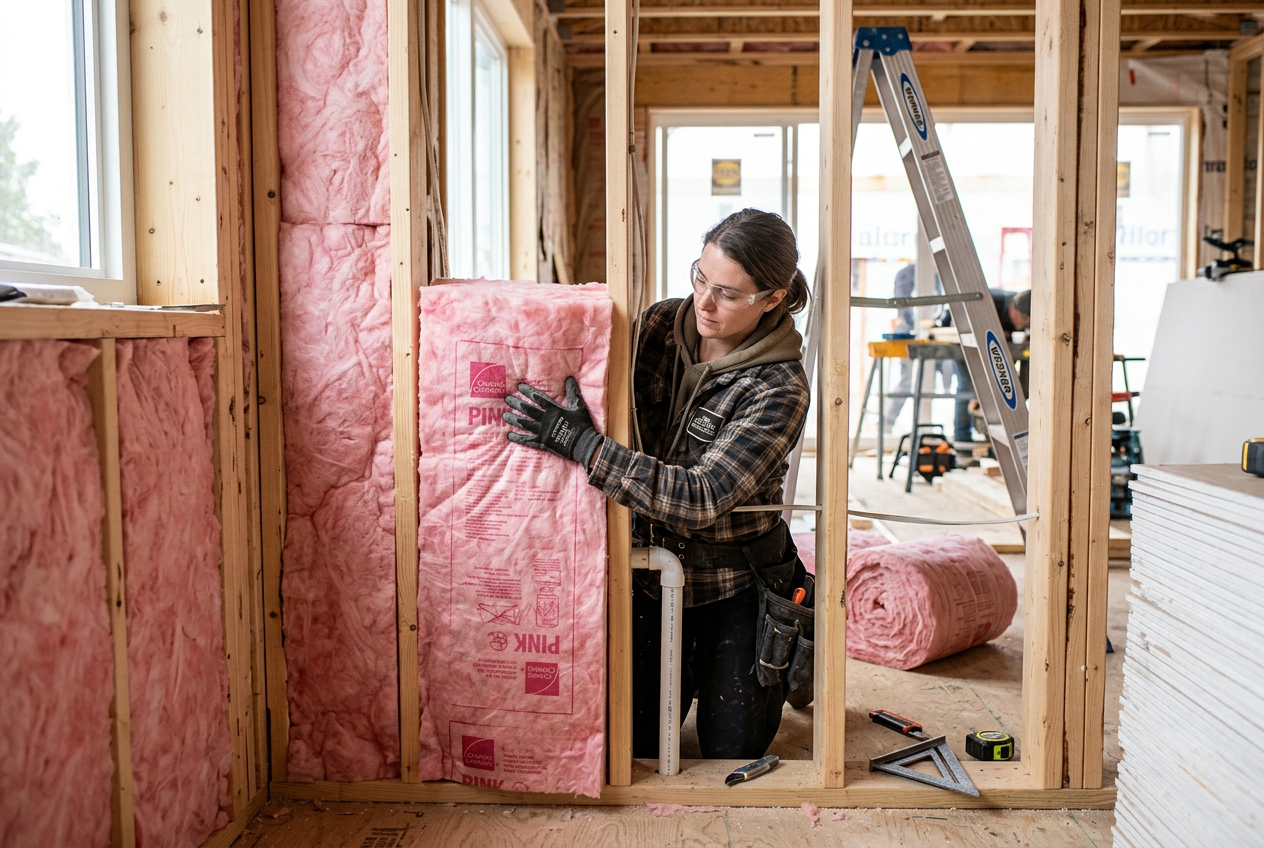
Disposing of old fibreglass insulation isn't as simple as tossing it in the wheelie bin — it requires the right protective gear, careful bagging, and a trip to an appropriate facility. The good news is that with a bit of preparation, most homeowners can handle removal and disposal themselves safely and legally.
Why You Can't Just Bin It
Fibreglass insulation (also called glass wool) is not accepted in standard kerbside recycling or general waste bins in most New Zealand councils. The fine glass fibres can irritate skin, eyes, and lungs, and loose material can contaminate other waste streams. Most councils classify it as controlled or special waste, meaning it must be disposed of at a transfer station or landfill that accepts it — and it must be properly contained first.
Always check with your local council before disposal, as rules vary by region.
Personal Protective Equipment (PPE) — Non-Negotiable
Before you touch a single batt, gear up properly. Fibreglass fibres are tiny and can cause significant skin, eye, and respiratory irritation.
You will need:
- A P2-rated dust mask or respirator (not just a basic paper mask)
- Safety goggles (not just glasses — you need sealed eye protection)
- Disposable coveralls or old long-sleeved clothing you can bag and wash immediately
- Nitrile or rubber gloves
- Closed-toe shoes
For more guidance on working safely with hazardous materials, refer to WorkSafe NZ.
Step-by-Step: Removing and Bagging Old Fibreglass Insulation
1. Prepare Your Workspace
Ensure the ceiling space is ventilated — open the manhole cover and, if possible, use a fan to draw air out (not in). Lay a drop sheet below the manhole to catch any falling material.
2. Check for Asbestos First
If your home was built before the mid-1980s, there is a chance other materials in the ceiling space (such as pipe lagging, loose-fill insulation, or board materials) may contain asbestos. Fibreglass itself does not contain asbestos, but it may be mixed with or sitting alongside materials that do. If you're unsure, stop and have the area tested by a licensed asbestos assessor before proceeding. This is critical for your safety and is a legal requirement under NZ health and safety law.
3. Bag It Tightly
- Use heavy-duty plastic bags (at least 100 micron thickness) — standard rubbish bags often tear.
- Work in small sections, gently rolling or folding batts to minimise fibre release.
- Double-bag each load and seal tightly with tape.
- Label bags clearly: "Fibreglass Insulation — Irritant".
- Do not overfill bags — keep them manageable to lift safely.
4. Clean Up
- Vacuum the area with a HEPA-filter vacuum — a standard vacuum will blow fibres back into the air.
- Shower and change clothes immediately after finishing. Wash work clothing separately.
Where to Dispose of It in New Zealand
| Disposal Option | Notes |
|---|---|
| Local transfer station / landfill | Most accept bagged fibreglass as general solid waste — confirm with your council first |
| Council inorganic collection | Some councils accept it during special collection events — check your council website |
| Skip bin hire | Many skip bin companies accept fibreglass if double-bagged — confirm before booking |
| Recycling | Fibreglass insulation is generally not recyclable in NZ at this time |
Ring your local council or visit their website to find your nearest transfer station and confirm acceptance. Fees vary but are generally modest for small quantities.
Can Old Fibreglass Insulation Be Reused?
Generally, no. Old fibreglass insulation loses its thermal performance over time as it compresses, absorbs moisture, or becomes contaminated with dust and rodent activity. NZ's Energywise guidelines recommend replacing old, degraded insulation with new product that meets current standards — particularly important for meeting the Healthy Homes Standards if you're a landlord. For rental properties, ceiling insulation requirements are set out by Tenancy Services.
Disposing of Large Quantities
If you're clearing insulation from a large home or doing a full re-insulation job, the volume can add up quickly. In this case:
- Hire a skip bin from a local supplier (confirm they accept fibreglass)
- Consider engaging a waste removal company experienced in building materials
- Some insulation installers will include old insulation removal and disposal as part of their quote — worth asking
When to Call a Professional
Call a qualified tradesperson or specialist if:
- You suspect asbestos is present anywhere in the ceiling space
- The insulation is heavily contaminated with rodent droppings or mould (health hazard requiring proper remediation)
- You're not comfortable working in a confined ceiling space
- The volume of material is large and difficult to manage safely alone
- You're unsure whether your home's ceiling structure is safe to move around in
A licensed insulation installer can handle removal, disposal, and replacement efficiently and safely. You can find qualified local insulation installers on tradedirectory.co.nz.