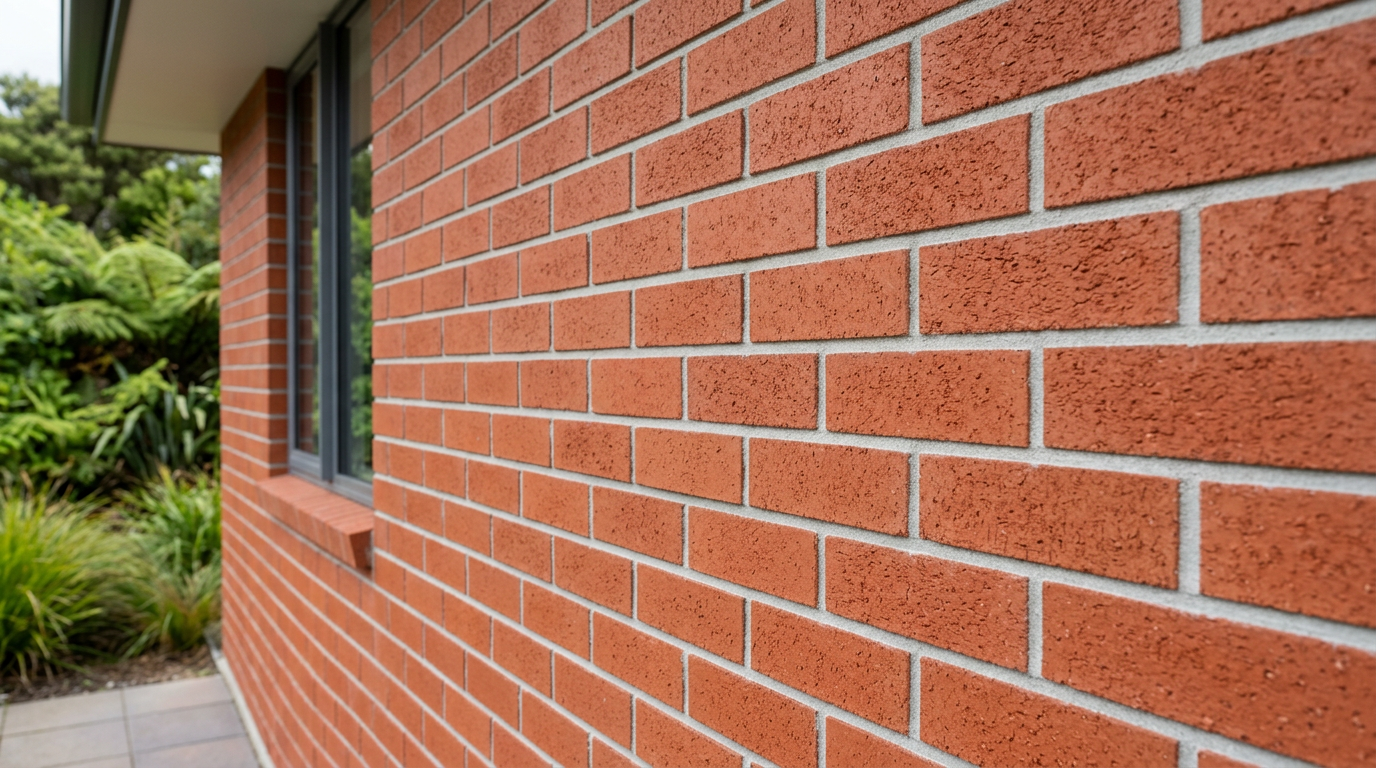
Cutting bricks without a professional angle grinder setup is entirely achievable for most DIY jobs around the home. The two most practical methods for NZ homeowners are the bolster chisel and club hammer technique, and hiring a brick splitter (guillotine). Neither requires expensive equipment, and both can produce clean, usable cuts for garden edging, small repairs, or feature walls.
Understanding Your Options
Before you start, it helps to know which method suits your project:
| Method | Best For | Finish Quality | Cost |
|---|---|---|---|
| Bolster chisel & club hammer | Small jobs, rough cuts | Rustic/rough | Very low (tools you may own) |
| Brick splitter (hire) | Straight cuts, larger jobs | Good | Low hire fee |
| Angle grinder (hire) | Precision cuts, curves | Excellent | Moderate hire fee |
For most small DIY repairs or garden projects, the chisel method or a hired splitter will do the job well.
Method 1 — Bolster Chisel and Club Hammer
This is the traditional bricklayer's method and has been used for centuries. It works best on standard clay bricks and produces a slightly rough edge that actually blends well with existing brickwork.
What you'll need
- Bolster chisel (wide, flat-bladed masonry chisel, typically 75–100 mm wide)
- Club hammer (1–1.5 kg)
- Pencil or chalk for marking
- Safety glasses and heavy gloves — brick chips fly and edges are razor-sharp
- A flat, firm surface (a piece of sand or old carpet helps cushion the brick)
Step-by-step
- Mark your cut line all the way around the brick using a pencil or chalk and a combination square.
- Score the line by placing the bolster chisel on the mark and striking it firmly with the club hammer. Work around all four faces of the brick, scoring a groove about 2–3 mm deep.
- Position the brick on a firm but slightly forgiving surface — a thin bed of sand or a folded hessian sack works well.
- Strike firmly along the scored line on the face of the brick. A single confident blow is better than lots of timid taps. The brick should split cleanly along the score.
- Tidy the edge with the chisel if needed, chipping away any high spots.
Tip: Harder engineering bricks or concrete blocks are much more difficult to split this way. For those, a hired splitter or angle grinder is a better choice.
Method 2 — Hire a Brick Splitter
A brick splitter (sometimes called a masonry guillotine) is a lever-operated tool that shears the brick along a straight line. You can hire one from most tool hire shops and from stores like Bunnings or Mitre 10. Hire costs vary, so check locally for current rates.
How to use it
- Mark your cut line on the brick.
- Align the brick under the blade, matching your mark to the cutting edge.
- Pull the handle down firmly in one smooth motion.
- The brick splits cleanly — most splitters handle standard bricks and pavers up to around 230 mm long.
This method is faster and more consistent than the chisel method, especially if you have more than a handful of bricks to cut.
Safety First
Brick cutting creates sharp fragments and fine silica dust. Silica dust is a serious health hazard — prolonged exposure can cause silicosis, a permanent lung disease. WorkSafe NZ has clear guidance on managing silica dust on worksites and at home.
- Always wear safety glasses or goggles
- Wear a P2-rated dust mask (not just a paper dust mask)
- Work outdoors or in a well-ventilated area
- Wear heavy leather gloves
- Keep bystanders and children well clear
Getting a Good Result
- Dry-lay your bricks first to work out exactly where cuts are needed before you start.
- Soak the brick briefly in water before cutting — this can reduce dust and sometimes makes splitting easier on older, drier bricks.
- Accept that hand-cut bricks will have a slightly rough edge. In most cases this is fine, and mortar will cover the joint anyway.
- If you need a very precise or curved cut (for an arch, for example), that's when an angle grinder with a diamond blade becomes necessary — consider hiring one or calling in a bricklayer.
Do You Need a Building Consent?
For small brick repairs or garden projects, a building consent is generally not required under Schedule 1 of the Building Act 2004. However, if you're building a new brick wall, retaining wall over 1.5 m, or anything structural, you may well need consent. Always confirm with your local council before starting — requirements vary by region. The MBIE Building Performance website is a good starting point.
When to Call a Professional
Some brick work is best left to a qualified bricklayer:
- Structural brickwork — anything load-bearing should be assessed and built by a professional. Check the Licensed Building Practitioners register for qualified tradespeople.
- Large volumes of cutting — if you need dozens of precision cuts, a bricklayer with a proper wet-cut tile saw or angle grinder setup will save you time and produce better results.
- Heritage or matching brickwork — matching mortar colour, joint profiles, and brick type on older homes is a specialist skill.
- Retaining walls and structural repairs — these may require engineering input and building consent.
You can find qualified, local bricklayers on tradedirectory.co.nz to get the job done right.


 Licensed Building Practitioner (LBP)









