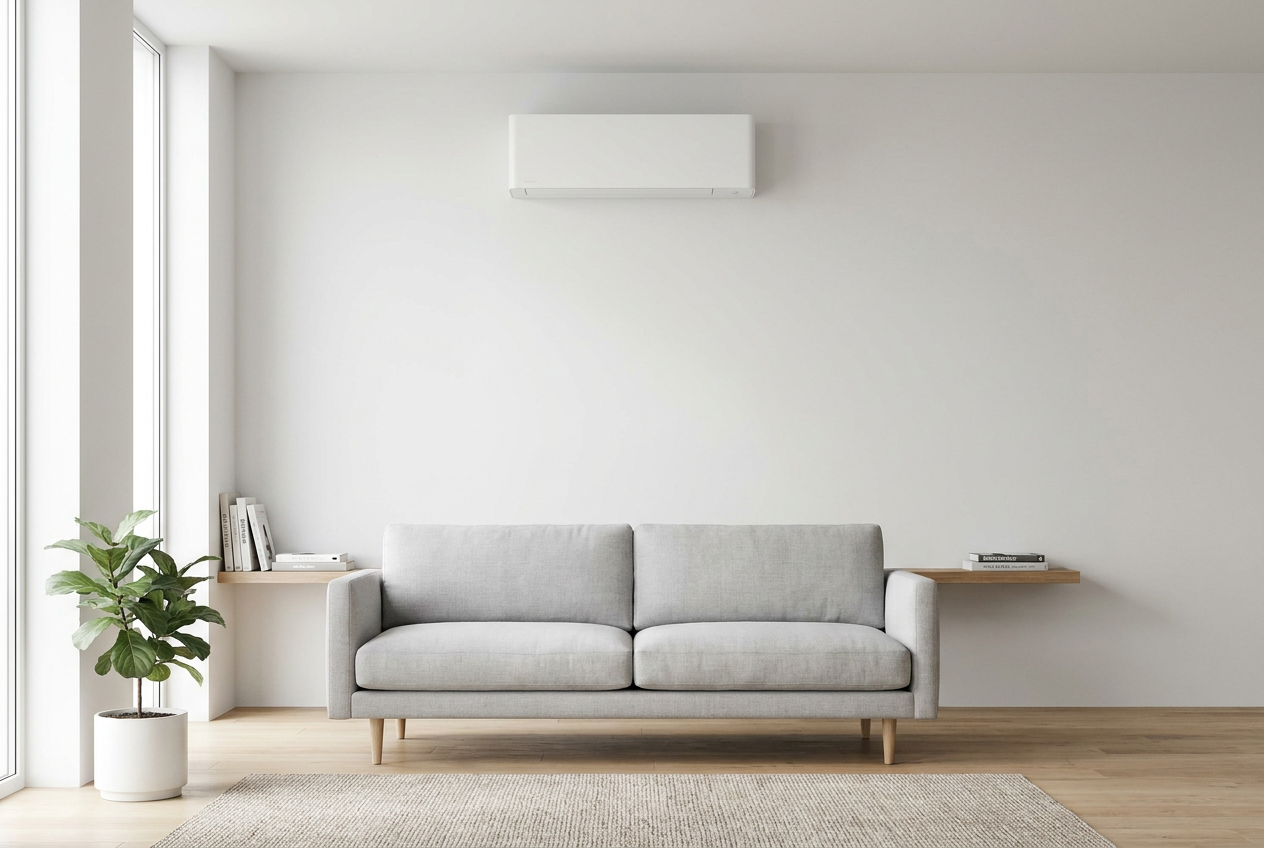
A heat pump's reversing valve is the component that lets the system switch between heating mode and cooling mode. If it's not working correctly, your heat pump may blow warm air when you want cooling, cold air when you want heating, or simply fail to change modes at all. Most diagnostic checks are safe for a homeowner to carry out, but any repair or refrigerant-related work must be done by a licensed professional.
What Does a Reversing Valve Do?
The reversing valve (sometimes called a four-way valve) sits in the refrigerant circuit of your outdoor unit. It redirects the flow of refrigerant so that the indoor coil acts as either an evaporator (cooling) or a condenser (heating). A small solenoid coil — an electromagnet — shifts the valve between positions when it receives a signal from the control board.
There are two common failure modes:
- Stuck valve – the valve body is physically jammed in one position.
- Failed solenoid – the electromagnet isn't energising, so the valve never shifts.
Safe Homeowner Checks You Can Do
Before calling a technician, run through these checks. You won't need to open the refrigerant circuit or touch any electrical terminals — just observe and listen.
1. Try Switching Modes
Set your remote to cooling mode, let the system run for five minutes, then switch to heating mode. Stand near the indoor unit and feel the air temperature. If the air temperature doesn't change direction (e.g., it stays cold in heating mode), the valve may be stuck or the solenoid may have failed.
2. Listen for the Valve Shifting
When you change modes, go outside to the outdoor unit. A healthy reversing valve makes a distinct whooshing or clicking sound within a few seconds of the mode change as refrigerant flow reverses. If you hear nothing, the valve likely isn't shifting.
3. Check the Remote and Settings
This sounds obvious, but confirm:
- The remote is set to the correct mode (not just fan-only).
- The set temperature is actually calling for heating or cooling (e.g., set heating to 22 °C in a 15 °C room).
- The timer or schedule isn't overriding your selection.
4. Check for Error Codes
Most modern heat pumps — brands like Mitsubishi Electric, Daikin, Fujitsu, Panasonic, and Hitachi — display fault codes on the indoor unit or remote. Consult your owner's manual for the code list. A reversing valve fault often has a specific code. If you've lost your manual, the manufacturer's NZ website or a quick model-number search usually turns it up.
5. Inspect the Outdoor Unit Visually
With the unit running, look (don't touch) at the outdoor unit. In cooling mode, the outdoor coil should feel warm to the touch of the air blowing off it. In heating mode, it should feel cool or even have light frost in cold weather. If the coil behaviour doesn't change between modes, the refrigerant flow isn't reversing.
What You Should NOT Do
- Do not open the outdoor unit panels and probe electrical terminals — this is dangerous and may void your warranty.
- Do not attempt to test the solenoid coil with a multimeter unless you are a licensed electrician or refrigeration technician. In New Zealand, work on refrigerant systems requires a licensed refrigeration mechanic — verify licences through the PGDB.
- Do not try to manually shift the valve — forcing it can crack the valve body and cause a refrigerant leak.
Common Symptoms Summary
| Symptom | Likely Cause |
|---|---|
| Only heats, won't cool | Valve stuck in heating position |
| Only cools, won't heat | Valve stuck in cooling position |
| Whoosh sound but no mode change | Valve shifting but leaking internally |
| No whoosh sound at all | Solenoid coil failed or wiring fault |
| Intermittent mode switching | Solenoid or control board issue |
When to Call a Professional
If your checks point to a faulty reversing valve or solenoid, stop here and call a licensed heat pump technician. Here's why:
- Replacing or testing the solenoid coil involves working inside the outdoor unit with electrical components, which should only be done by a qualified technician.
- Replacing the valve body requires recovering the refrigerant, which is restricted work under NZ law — only a licensed refrigeration mechanic can legally handle refrigerants.
- An internal refrigerant leak through a worn valve seat also requires pressure testing and recharging — again, licensed work only.
A qualified technician will use manifold gauges and electrical test equipment to confirm the diagnosis quickly. Solenoid coils are relatively inexpensive and straightforward to replace; a full valve-body replacement is more involved but still a routine repair.
For peace of mind, check that your technician holds the appropriate licence. You can verify refrigeration and gasfitting licences through the Plumbers, Gasfitters and Drainlayers Board. You can find qualified local heat pump installers and technicians on tradedirectory.co.nz.
A Note on NZ Climate and Heat Pump Performance
New Zealand's Energywise guidance highlights that heat pumps are one of the most efficient heating options for NZ homes. Under the Healthy Homes Standards, rental properties must have a fixed heating device capable of heating the main living area — so a reversing valve fault in a rental property should be treated as an urgent repair. Tenants and landlords can find more information at Tenancy Services.



 ISO 9001






