Keeping your whānau safe from fire doesn't have to be complicated. A few simple habits — checking your smoke alarms, clearing escape routes, and having a plan — can make a life-saving difference. This checklist covers the essentials every Kiwi household should tick off, whether you own your home or rent it.
Smoke Alarms: Your First Line of Defence
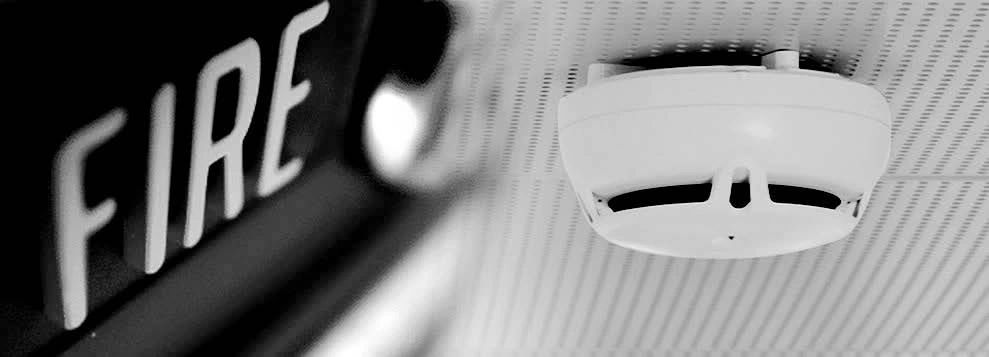
Photoelectric smoke alarms are recommended for New Zealand homes because they detect slow, smouldering fires more effectively than older ionisation-type alarms. If you rent your home, your landlord is legally required to install working smoke alarms that meet the Healthy Homes standards — check the current rules at Tenancy Services.
For all homes, follow these steps:
- Test every alarm monthly by pressing the test button until it sounds.
- Replace batteries annually (unless your alarm has a sealed 10-year battery).
- Replace the entire unit according to the manufacturer's guidance — most alarms have a service life of around 10 years, but always check the label on your specific model.
- Install alarms within 3 metres of every bedroom door and on every level of the home.
- Never remove batteries or disconnect an alarm to silence nuisance beeping — fix the cause instead.
Fire and Emergency New Zealand (FENZ) has free resources on choosing and placing smoke alarms, and can advise on your specific situation.
Escape Planning: Two Ways Out
Every room your family sleeps in should have two possible ways to escape — usually a door and a window. Walk through your home and ask:
- Can every window be opened easily from the inside, including by children?
- Are hallways and exits free of clutter, furniture, or stored items?
- Do you have a designated meeting point outside (e.g., the letterbox or front gate) so everyone knows where to gather?
- Have you practised your escape plan as a family, including at night?
Write your escape plan down and stick it somewhere visible. FENZ recommends practising your plan at least twice a year.
Kitchen Safety
The kitchen is the most common starting point for house fires in New Zealand. Keep these habits in place:
- Never leave cooking unattended, especially when using oil or high heat.
- Keep a fire blanket within easy reach — mounted on the wall near (but not directly above) the stove.
- Keep the stovetop and rangehood filter clean and free of grease build-up.
- If a pan catches fire, slide a lid over it and turn off the heat — do not use water on a fat fire.
- Keep tea towels, paper, and packaging well away from burners.
Heating and Electrical Safety
NZ winters mean many homes rely on heaters, open fires, and heat pumps. Check the following:
- Keep all heaters at least 1 metre away from curtains, furniture, and bedding.
- Never dry clothes directly on a heater or in front of an open fire.
- Have your wood burner or fireplace cleaned and inspected by a qualified professional before each heating season.
- Check power cords regularly for fraying or damage — replace rather than tape.
- Avoid overloading power boards; use only boards with built-in surge protection.
- Electrical work is restricted work in New Zealand and must be carried out by a registered electrician. For guidance on what homeowners can and cannot do, see the Electrical Workers Registration Board (EWRB).
Candles, Smoking, and Open Flames
- Never leave candles burning in an unoccupied room or near anything flammable.
- Use sturdy, non-tip candle holders and place them on a heat-resistant surface.
- If anyone in the household smokes, ensure cigarettes are fully extinguished — never smoke in bed.
- Store matches and lighters out of reach of children.
Garage, Shed, and Storage Areas
- Store flammable liquids (petrol, solvents, paint) in approved containers, away from ignition sources, and ideally in a detached shed.
- Keep the garage tidy — clutter fuels fires and blocks escape.
- Check that your garage door can be opened manually in a power cut.
A Quick Home Fire Safety Checklist
| Area | Action | Done? |
|---|---|---|
| Throughout home | Photoelectric smoke alarms installed and tested | ☐ |
| Throughout home | Escape plan practised, meeting point agreed | ☐ |
| Kitchen | Fire blanket mounted and accessible | ☐ |
| Kitchen | Rangehood filter clean | ☐ |
| Living areas | Heaters 1 m+ from flammables | ☐ |
| Living areas | Power cords and boards in good condition | ☐ |
| Bedrooms | Windows openable from inside | ☐ |
| Hallways/exits | Clear of clutter | ☐ |
| Garage/shed | Flammables stored safely | ☐ |
When to Call a Professional
Some fire safety tasks go beyond DIY. You should engage a licensed fire protection specialist if you:
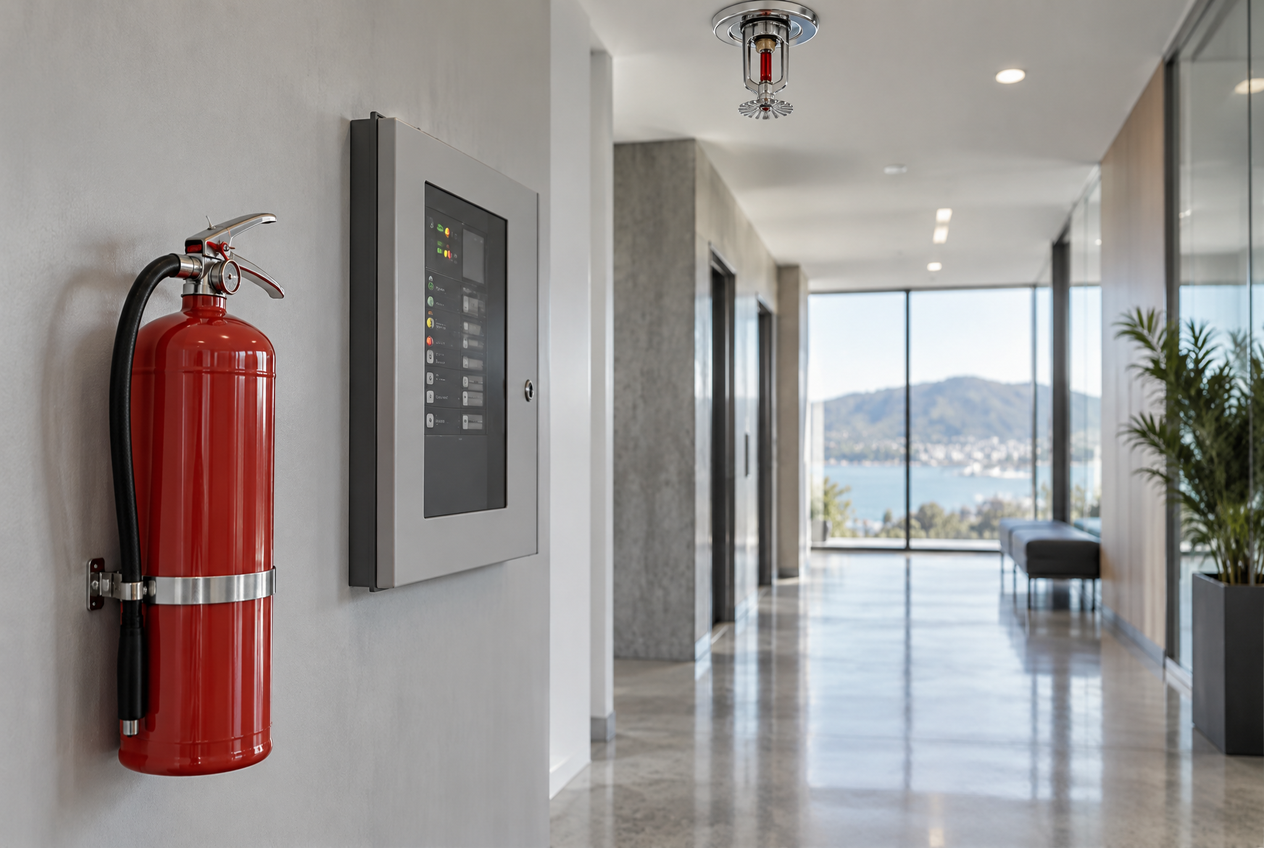
- Need a fire sprinkler system installed or serviced (these must comply with the relevant NZ Standard for automatic fire sprinkler systems and require specialist installation).
- Have a commercial or multi-unit residential property with a compliance schedule — specified systems must be inspected and maintained by a suitably qualified person, and an Independent Qualified Person (IQP) registered with your local council must sign off the relevant certificates. Contact your territorial authority for details.
- Are unsure whether your home's fire safety measures meet the NZ Building Code — particularly if you've done alterations or converted a space.
- Want a professional fire safety audit of your home.
You can find qualified fire protection specialists and other tradespeople in your area on tradedirectory.co.nz.
For general fire safety advice and community education, FENZ is your go-to authority. For building compliance questions, contact your local council or visit MBIE Building Performance.
Sources & Further Reading
- Fire and Emergency New Zealand — Home Fire Safety
- Tenancy Services — Smoke Alarms and Healthy Homes
- MBIE Building Performance — Building Code and Compliance
- Electrical Workers Registration Board — Restricted Electrical Work
- BRANZ — Building Research for New Zealand Homes
- WorkSafe NZ — Hazardous Substances Storage