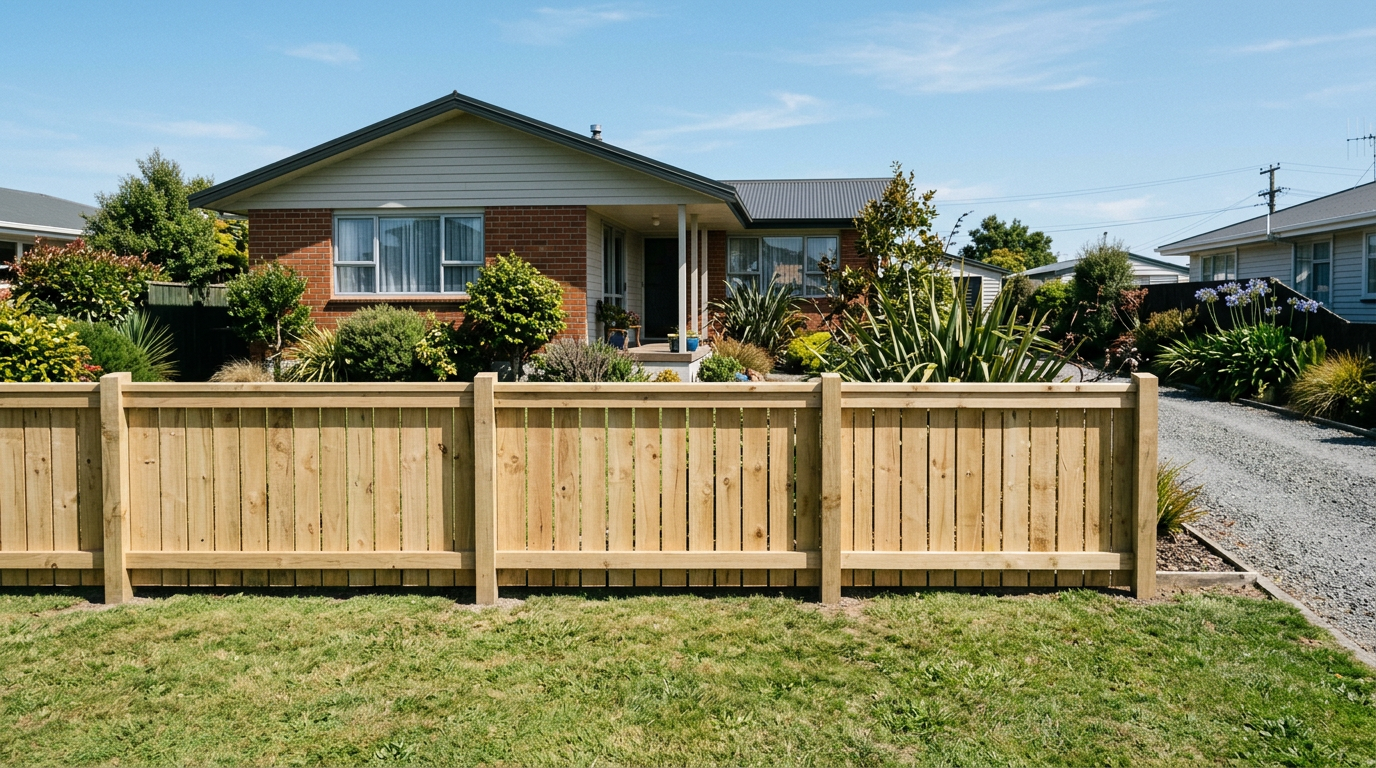
Boundary fence disputes are one of the most common neighbourly headaches in New Zealand. Whether you want a new fence, your neighbour's old paling is falling over, or you simply want to know where you stand legally, understanding the Fencing Act 1978 is essential before you pick up a spade or call a fencer. This guide walks you through your rights, your obligations, and the practical steps to get a shared fence sorted fairly.
What Does the Fencing Act 1978 Say?
The Fencing Act 1978 is the key piece of legislation governing boundary fences between adjoining properties in New Zealand. The core principle is straightforward: adjoining owners share the cost of a sufficient fence equally — 50/50 — unless there is an existing agreement (such as a covenant on the title) that says otherwise.
A "sufficient fence" is defined as one that is adequate for the purpose of the land on either side. This doesn't mean the most expensive option or your neighbour's preferred style — it means a fence that reasonably serves both properties. What counts as sufficient will depend on context: a rural lifestyle block has different needs than a suburban section in Auckland or Christchurch.
Important exceptions to the 50/50 rule:
- If one owner wants a fence that is more than "sufficient" (e.g. a premium timber fence instead of a standard paling), they may need to pay the difference themselves.
- Some properties are exempt from contributing — including land owned by the Crown for certain purposes, and some local authority land. Always check.
- If a fence is damaged due to one owner's actions (e.g. a contractor knocks it over), that owner is generally liable for repair costs.
The Fencing Notice: How to Formally Start the Process
If you want to build or replace a boundary fence and share the cost, you must serve your neighbour with a fencing notice before any work begins. This is a legal requirement under the Act — you cannot simply build a fence and then demand half the money.
A fencing notice must include:
- A description of the proposed fence (materials, height, style)
- The estimated cost and each party's proposed contribution
- The location of the boundary
- A timeframe for the work
You can find template fencing notices through community law centres or legal stationery suppliers. Once served, your neighbour has 21 days to respond. They can agree, propose a different fence, or object. If they don't respond, you may be able to proceed and recover costs — but getting legal advice first is wise.
What If Your Neighbour Refuses or You Can't Agree?
Disagreements happen. If you and your neighbour can't reach agreement after the fencing notice process, the dispute can be taken to the Disputes Tribunal (for claims up to $30,000) or the District Court. The Disputes Tribunal is a practical, low-cost option for most residential fencing disputes.
Before escalating, consider:
- Mediation — a neutral third party can help both sides reach a workable agreement without legal costs.
- Getting a written quote from a qualified fencer so both parties understand the actual cost involved.
- Checking your property title for any existing fencing covenants or easements that may override the Act.
Fencing and Building Consent: Do You Need One?
This is where many homeowners are caught off guard. In New Zealand, most standard residential boundary fences do not require a building consent — but there are important exceptions.
Under Schedule 1 of the Building Act 2004, fences are generally exempt from building consent if they are not more than 2.5 metres in height. However:
- Fences over 2.5 m in height typically do require consent.
- Fences around swimming pools must comply with the Building (Pools) Amendment Act 2016 and NZ Building Code clause F9, which sets strict requirements for pool barrier fencing — this almost always requires a building consent and a council inspection.
- Some councils have local rules (district plan provisions) about fence height, materials, or placement near roads and boundaries — always check with your local council before building.
Visit MBIE Building Performance for guidance on Schedule 1 exemptions, and confirm requirements with your local council. Do not rely solely on this article as a guarantee of what is or isn't exempt in your area.
Choosing the Right Fencing Materials
The choice of materials affects both cost and longevity. Common options in NZ include:
| Material | Typical Use | Lifespan (approx.) | Maintenance |
|---|---|---|---|
| Treated pine paling | Suburban residential | 15–25 years | Stain/paint periodically |
| Hardwood timber | Premium residential | 25–40+ years | Periodic oiling/sealing |
| Coloured steel (e.g. Colorsteel) | Modern/low maintenance | 30+ years | Minimal |
| Concrete block/masonry | Boundary walls | 50+ years | Very low |
| Rural post and wire/batten | Lifestyle/rural | 20–30 years | Moderate |
For timber fences, using H3 or H4 treated timber is essential for ground contact and weather exposure in NZ conditions. BRANZ has useful guidance on appropriate timber treatment levels for different applications.
Budgeting for a Shared Fence
Fencing costs vary widely depending on materials, terrain, fence length, and your region. As a rough guide only:
- A standard treated pine paling fence is generally one of the more affordable options.
- Steel or hardwood fences cost more upfront but may offer better long-term value.
- Difficult terrain (slopes, tree roots, rocky ground) adds to labour costs.
Always get at least two or three written quotes from qualified fencers before committing. Share the quotes with your neighbour as part of the fencing notice process so costs are transparent. Remember, your neighbour is only obliged to contribute to the cost of a "sufficient" fence — if you want something premium, be prepared to negotiate.
When to Call a Professional
For most boundary fencing work, hiring a qualified, experienced fencer is strongly recommended. A professional will:
- Accurately locate the boundary (or advise you to get a surveyor if there's any doubt)
- Ensure the fence is built to last in NZ conditions
- Advise on consent requirements for your specific situation
- Provide documentation useful if disputes arise later
If there is any uncertainty about where the boundary actually sits, engage a licensed cadastral surveyor before building — building a fence on the wrong side of the boundary can be a costly mistake. You can find qualified local fencers on tradedirectory.co.nz to get competitive quotes and professional advice.
Practical Tips Before You Start
- Talk to your neighbour first — an informal conversation before serving a formal notice often leads to faster, friendlier outcomes.
- Check your title — look for fencing covenants, easements, or body corporate rules that may affect your obligations.
- Check the district plan — your local council's district plan may have rules on fence height, particularly near road boundaries.
- Document everything — keep copies of all notices, quotes, and correspondence in case of future disputes.
- Don't start work before the notice period expires — doing so can undermine your legal position.





