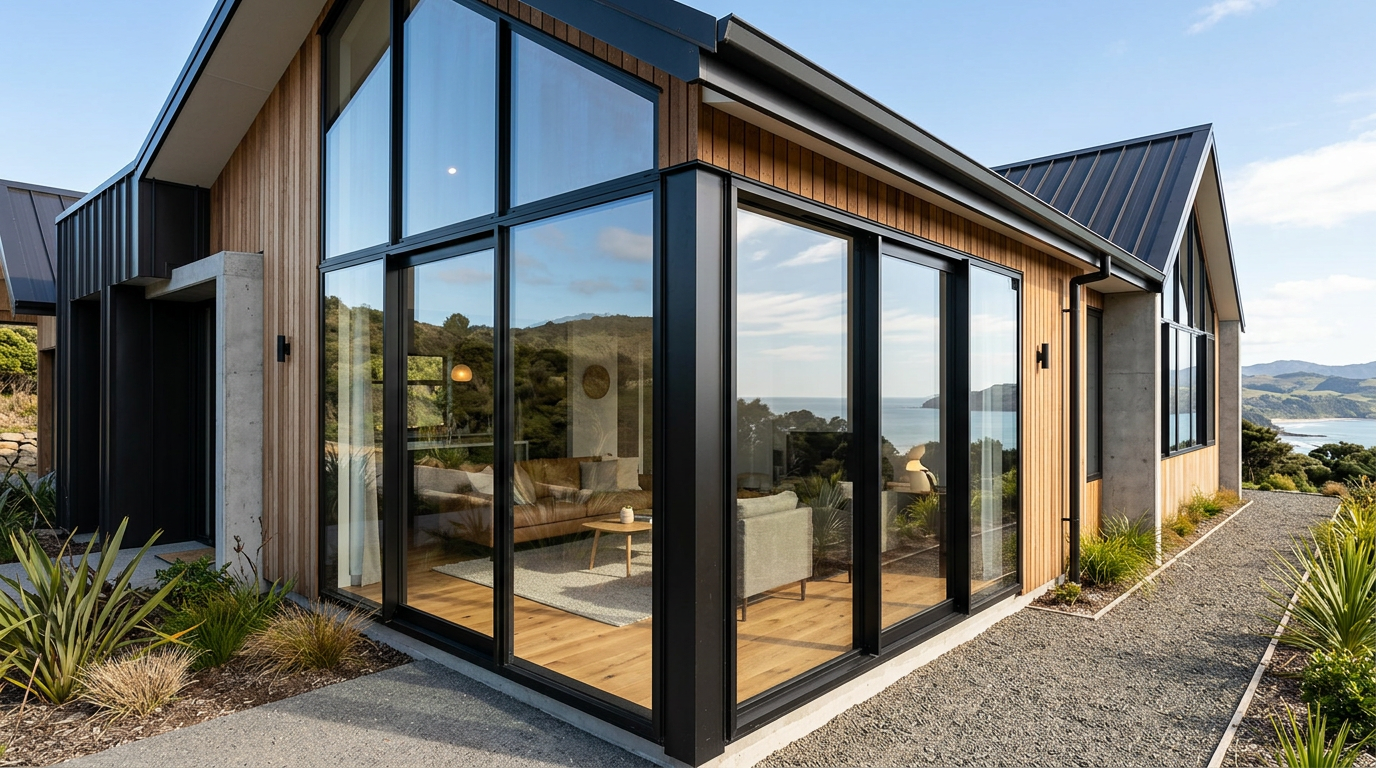
Choosing between double and single glazing is one of the most common questions NZ homeowners face — whether you're building new, renovating, or trying to make a draughty older home warmer and healthier. The answer isn't always as simple as "double glazing is better," because your climate zone, budget, and existing joinery all play a role. Here's a balanced, practical guide to help you make the right call.
What Is Single Glazing?
Single glazing is a single pane of glass in a window or door frame. It's been the standard in NZ homes for decades, and the vast majority of houses built before the mid-2000s still have it. Single glazing is cheap to manufacture and replace, but it's a poor insulator — glass conducts heat readily, so single-pane windows lose warmth quickly in winter and let heat in during summer.
Single glazing also tends to cause condensation on the interior surface in cooler months, which can lead to mould on frames and sills — a real concern under the Tenancy Services Healthy Homes Standards for rental properties.
What Is Double Glazing?
Double glazing (also called IGU — Insulated Glass Unit) consists of two panes of glass separated by a sealed air or gas-filled gap, typically 6–16 mm wide. This gap dramatically reduces heat transfer. Many modern units use argon gas filling and low-emissivity (low-E) coatings to further improve thermal performance.
Double glazing has been required in new NZ builds under the NZ Building Code (specifically Clause H1 Energy Efficiency) since updates rolled out from 2023, with minimum R-values for windows now significantly higher than before. If you're building new, double glazing is essentially mandatory in most climate zones.
Head-to-Head Comparison
| Criteria | Single Glazing | Double Glazing |
|---|---|---|
| Thermal insulation | Poor — high heat loss | Good to excellent |
| Condensation | Common on glass surface | Greatly reduced |
| Noise reduction | Minimal | Moderate improvement |
| Summer heat gain | High (without coatings) | Reduced (especially with low-E) |
| Upfront cost | Lower | Higher (roughly 2–3× the glass cost, as a guide) |
| Lifespan | Long (glass rarely fails) | 20–30+ years (seal failure is the main risk) |
| Maintenance | Simple — single pane to replace | Seal failure means full IGU replacement |
| DIY suitability | Frame repairs possible; glass cutting is trade work | IGU manufacture and fitting is trade work |
| NZ Building Code compliance (new builds) | No longer meets H1 in most zones | Meets or exceeds H1 requirements |
| Healthy Homes rental compliance | May contribute to moisture issues | Helps meet draught-stopping and insulation intent |
| Resale value | Neutral | Positive — increasingly expected by buyers |
Cost Considerations
It's difficult to give precise figures because costs vary widely by window size, joinery type (aluminium, uPVC, timber), and your location. As a rough guide only:
- Retrofitting double glazing into existing aluminium frames (using retrofit IGU inserts) is generally the most cost-effective upgrade path.
- Full window replacement (new frames + double glazing) costs significantly more but may be necessary if frames are corroded or poorly performing.
- Government support has existed in the past through schemes like Warmer Kiwi Homes — check Energywise for current funding options, as these change regularly.
The payback period on double glazing through energy savings alone can be long — often 10–20 years depending on your heating costs and climate zone. However, comfort, health, and property value are equally important factors that don't show up on an energy bill.
NZ Climate Zones Matter
NZ's BRANZ climate zone map divides the country into zones from the warm upper North Island through to the cold South Island interior. The colder your zone, the more you'll benefit from double glazing:
- Northland, Auckland, Coromandel: Benefits are real but more modest — condensation reduction and comfort gains are the main wins.
- Wellington, Hawke's Bay, Nelson: Meaningful energy savings and comfort improvement.
- Canterbury, Otago, Southland: Double glazing pays back faster and makes a significant difference to warmth and running costs.
Noise Reduction: Temper Your Expectations
Double glazing does reduce noise compared to single glazing, but it's not a dramatic transformation unless you opt for acoustic glazing (laminated glass with a special interlayer, or asymmetric pane thicknesses). If noise is your primary concern — living near a busy road or flight path — talk to a glazier specifically about acoustic options rather than assuming standard double glazing will solve the problem.
What Can Homeowners Do Themselves?
Glazing work sits in a grey area for DIY. Replacing a broken single pane in an existing frame is technically possible for a capable DIYer, but cutting glass to size, handling large panes safely, and working at height all carry real risks. IGU units must be factory-manufactured — you cannot make a double-glazed unit at home.
For safety, always check WorkSafe NZ guidelines when working at height or handling large glass panels. Structural work to window openings may also require a Licensed Building Practitioner (LBP).
For most homeowners, hiring a qualified glazier is the right call — both for quality of outcome and to ensure any work meets the Building Code.
Our Recommendation
If you're building new: Double glazing is required — work with your glazier and builder to choose the right specification for your climate zone and orientation.
If you're renovating an older home: Retrofit double glazing inserts into existing aluminium frames are a cost-effective first step. Full replacement makes sense if frames are in poor condition or you want a significant aesthetic upgrade.
If you're a landlord: Healthy Homes Standards are increasingly focused on warm, dry homes. While double glazing isn't explicitly mandated in the Standards yet, it directly addresses condensation and draught issues that are. It's a worthwhile investment.
If you're on a tight budget: Prioritise the rooms you use most — living areas and bedrooms — and consider secondary glazing film as a short-term measure while you save for proper double glazing.
For personalised advice and quotes, find a qualified local glazier on tradedirectory.co.nz.



 Window & Glass Association