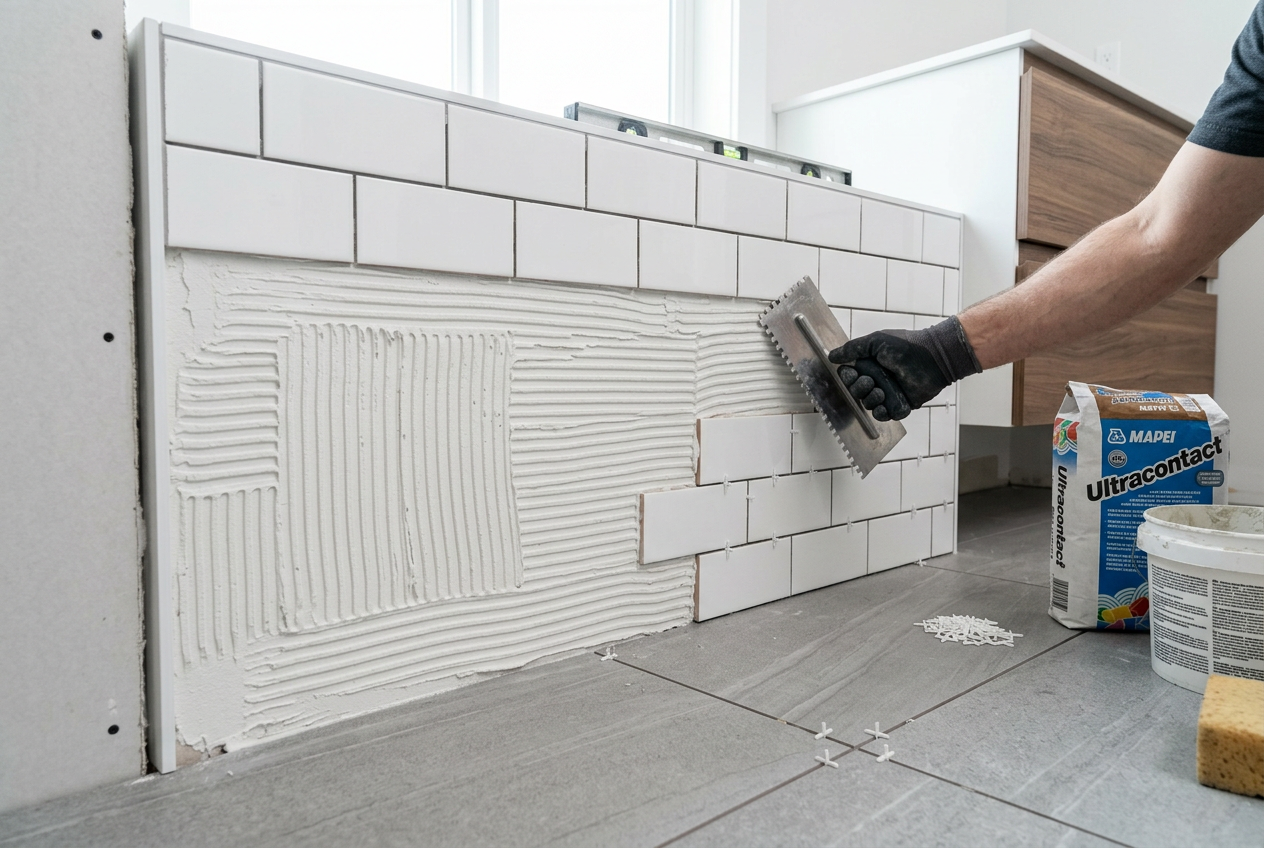
In most situations, retiling an existing shower does not require a building consent in New Zealand. However, the answer depends on what work is actually involved — and getting it wrong can cause costly problems down the track, including issues with insurance and future property sales.
The Short Answer: It Depends on the Scope of Work
Simply replacing old tiles with new ones in an existing shower enclosure is generally considered maintenance or repair work, which falls under Schedule 1 of the Building Act 2004. Schedule 1 lists work that is exempt from building consent. Retiling — where you're not changing the structure, layout, or plumbing — typically sits in this category.
However, if your tiling project involves any of the following, a building consent may be required:
- Converting a space into a new shower (e.g., tiling a corner of a bathroom that wasn't previously a shower)
- Structural changes, such as moving walls or altering the floor structure
- Relocating or adding plumbing (new drains, shower mixers, or waste pipes)
- Significant bathroom renovation involving structural changes, new plumbing, or new shower areas
Always check with your local council before starting work if you're unsure. Councils have the final say on whether consent is needed, and requirements can vary slightly by region.
What the NZ Building Code Says About Wet Areas
Even when consent isn't required, your shower tiling work must still comply with the NZ Building Code. The key clauses for shower areas are:
- Clause E3 (Internal Moisture): Requires that internal wet areas — including showers — are constructed to prevent moisture from penetrating walls, floors, and adjacent spaces.
- Clause E2 (External Moisture): While primarily about the exterior, E2 principles around weathertightness inform how wet areas must be sealed.
- Clause G12 (Water Supplies): Covers the supply of hot and cold water to fixtures.
- Clause G13 (Foul Water): Covers drainage from showers and other sanitary fixtures.
For practical guidance on complying with these clauses, BRANZ publishes detailed technical resources used widely across the NZ building industry.
Waterproofing: The Critical Step
One of the most important — and most often skipped — parts of shower tiling is proper waterproofing. Under NZ Building Code Clause E3, wet areas must be waterproofed before tiles are laid. This typically involves applying a tanking membrane or liquid waterproofing system to the walls and floor of the shower.
Products from suppliers like Ardex, Mapei, and Sika are commonly used by professional tilers for this purpose. Skipping or skimping on waterproofing is one of the leading causes of shower leaks, mould, and structural damage in NZ homes.
Restricted Work: Plumbing and Drainage
If your shower retile involves any plumbing or drainage work — such as moving a waste outlet, replacing a shower valve, or altering pipework — this is restricted building work under NZ law. It must be carried out by a licensed plumber or drainlayer registered with the Plumbers, Gasfitters and Drainlayers Board (PGDB).
It is illegal for unlicensed people (including homeowners) to carry out restricted plumbing work. Always check that your plumber is currently licensed before they start.
Safety note: Showers combine water and electricity in close proximity. If your project involves moving or adding electrical components — such as a heated towel rail, extractor fan, or lighting — this work must be done by a registered electrician. Check their registration with the Electrical Workers Registration Board (EWRB).
What a Homeowner Can Legally Do
As a homeowner, you can generally:
- Remove and replace tiles on an existing shower (like-for-like)
- Apply grout and silicone sealant
- Carry out minor surface preparation
You cannot legally carry out restricted plumbing, drainage, or electrical work yourself. Even for the tiling itself, a poor job can lead to leaks and Code compliance issues — so hiring a qualified tiler is strongly recommended.
Healthy Homes and Rental Properties
If you're a landlord, be aware that the Healthy Homes Standards require rental properties to be free from significant moisture and mould issues. A leaking or poorly tiled shower can put you in breach of these standards, so quality workmanship matters.
When to Call a Professional
You should hire a qualified tiler for any shower tiling work if:
- The existing waterproofing membrane is damaged or unknown
- You're tiling a new shower area (not just replacing existing tiles)
- The substrate (wall lining or floor) needs repair or replacement
- You want the work to be covered by a warranty and meet Building Code requirements
- You're planning to sell the property and need compliant documentation
A professional tiler will know how to properly prepare the substrate, apply waterproofing, and lay tiles to a standard that meets NZ Building Code requirements. You can find qualified local tilers on tradedirectory.co.nz.
Sources & Further Reading
- MBIE Building Performance – Building Consent Exemptions
- BRANZ – Technical Information for Wet Areas
- Plumbers, Gasfitters and Drainlayers Board – Licensed Practitioners
- Electrical Workers Registration Board – Check a Registration
- Ardex NZ – Waterproofing Products
- Tenancy Services – Healthy Homes Standards

 Site Safe
 SiteWise


 BCITO Qualified





