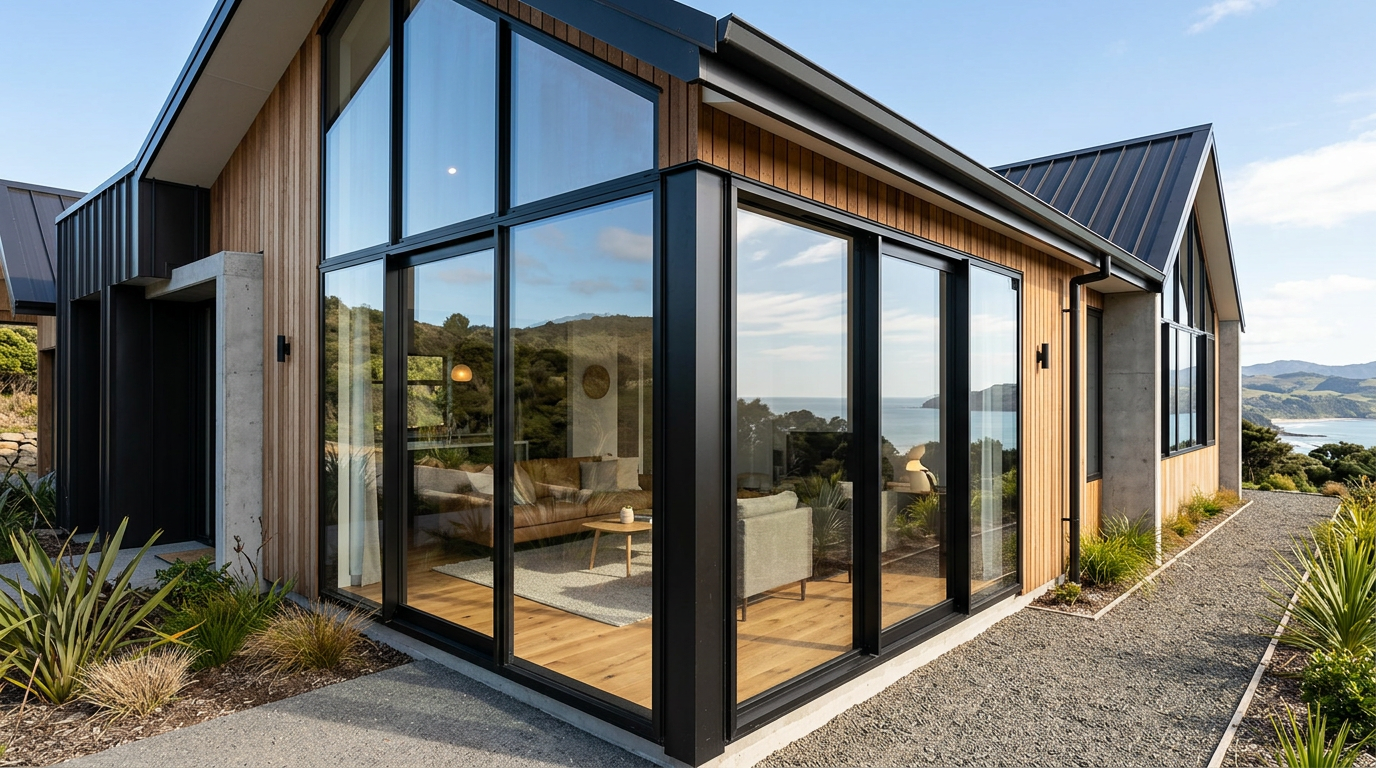
In most situations, retrofitting double glazing into your existing window frames does not require a building consent in New Zealand — but the answer isn't always straightforward. Whether you need to notify your council depends on the scope of work, the type of building, and whether any structural changes are involved. Getting this right from the start can save you headaches down the track.
What the NZ Building Act Says
Under the Building Act 2004, certain low-risk building work is exempt from requiring a building consent. These exemptions are listed in Schedule 1 of the Act. Replacing glazing within existing frames — for example, swapping single-pane glass for double-glazed units — is generally considered like-for-like maintenance or repair work, which typically falls under a Schedule 1 exemption.
However, it's important to understand that "like-for-like" means the work doesn't change the building's structure, weathertightness, or performance in a way that goes beyond the original design. Always confirm with your local council before starting, as interpretations can vary. You can find guidance on exemptions at MBIE Building Performance.
When You Likely Don't Need Consent
The following scenarios are generally considered exempt from building consent:
- Replacing glass only within existing aluminium or timber frames (same size, same opening)
- Swapping single-glazed units for double-glazed units within the same frame, where the frame itself is not being altered
- Retrofitting secondary glazing (an inner pane added inside the existing frame) as a non-structural addition
- Routine repair or replacement of broken or failed glazing
In these cases, a qualified glazier can carry out the work without a consent, though the work must still comply with the NZ Building Code — particularly Clause E2 (External Moisture) and Clause H1 (Energy Efficiency).
When You May Need Building Consent
Consent is more likely to be required when the scope of work goes beyond simple glass replacement:
- Enlarging or repositioning window openings — this involves structural work and almost certainly requires consent
- Replacing entire window frames in a way that changes the building envelope or weathertightness
- Installing new windows where none existed before
- Work on heritage or character buildings, which may also require resource consent from your council
- Alterations to commercial buildings or multi-unit dwellings, where rules can differ from standalone residential homes
If your project involves any structural changes, check with your local council or a Licensed Building Practitioner (LBP) before proceeding.
The NZ Building Code and Double Glazing
Even when consent isn't required, your glazing work must still meet the NZ Building Code. Key clauses to be aware of include:
| Building Code Clause | Relevance to Glazing |
|---|---|
| H1 – Energy Efficiency | Minimum thermal performance requirements for windows |
| E2 – External Moisture | Weathertightness around window frames and seals |
| F2 – Hazardous Building Materials | Safety glazing requirements in certain locations |
Safety glazing (toughened or laminated glass) is required by the Building Code in specific locations — such as near doors, low-level panels, bathrooms, and around stairs. Your glazier should be familiar with these requirements. BRANZ is a good resource for technical guidance on building performance standards.
Healthy Homes and Rental Properties
If you're a landlord, it's worth knowing that the Healthy Homes Standards set minimum requirements for insulation and heating in rental properties, but do not currently mandate double glazing specifically. That said, improved glazing contributes to a warmer, drier home and can support compliance with heating and draught-stopping standards. Learn more at Tenancy Services.
For energy efficiency advice and potential support, Energywise provides useful information on home insulation and glazing upgrades.
Choosing the Right Glazing Product
When retrofitting, your glazier will typically offer options including:
- Retrofit double-glazed units (DGUs) — factory-sealed units fitted into existing frames
- Secondary glazing systems — a separate inner pane, often a DIY-friendly option for older homes
- uPVC or thermally broken aluminium frames — if full frame replacement is part of the upgrade
The right choice depends on your existing frame condition, budget, and thermal performance goals. A reputable glazier can assess your windows and recommend the best approach.
When to Call a Professional
Glazing work — especially retrofitting double-glazed units — is best left to a qualified glazier. Incorrect installation can compromise weathertightness, void product warranties, and create safety risks if safety glazing requirements aren't met. A professional glazier will:
- Assess whether your existing frames can accommodate double-glazed units
- Ensure the correct glass type is used in safety-critical locations
- Seal and flash correctly to meet E2 weathertightness requirements
- Advise you on whether your specific project needs council notification
You can find qualified local glaziers on tradedirectory.co.nz.



 Window & Glass Association