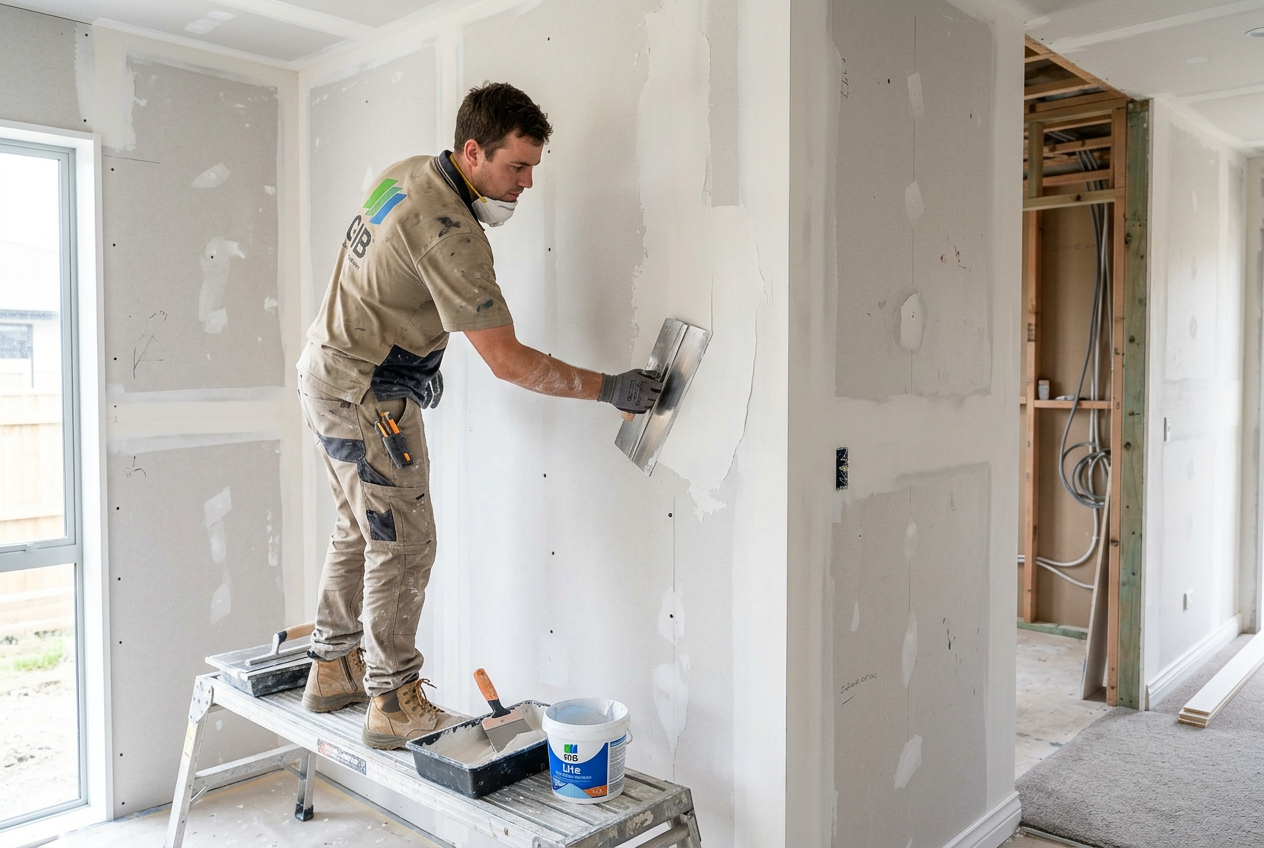
Re-rendering your home can absolutely affect both your insurance cover and your Land Information Memorandum (LIM) report — but whether it does depends on the scope of work, the materials used, and whether a building consent was required. Getting these details right before you start can save you from costly surprises down the track.
What Is a LIM Report and Why Does It Matter?
A Land Information Memorandum (LIM) is a document issued by your local council that summarises key information about a property, including consented building work, resource consents, drainage, and any known hazards. When you re-render your house, the work may or may not appear on the LIM — and that distinction matters when you come to sell or refinance.
If your re-rendering project required a building consent and you obtained one, the work will be recorded on the LIM once a code compliance certificate (CCC) is issued. This is a positive thing: it shows future buyers and lenders that the work was done to code. If you did the work without a required consent, it will likely show up as unconsented work — or simply not appear at all — which can raise red flags for buyers, valuers, and insurers.
When Does Re-Rendering Require a Building Consent?
This is where many homeowners get caught out. Under the NZ Building Code, some rendering work is exempt from consent under Schedule 1 of the Building Act 2004, but not all of it.
Generally, like-for-like maintenance — such as patching or recoating an existing render system with a similar product — may fall under Schedule 1 exemptions. However, work that:
- Changes the weathertightness system of the building envelope
- Involves a new cladding system over existing substrate
- Affects structural elements or moisture management
- Is on a multi-storey building or complex structure
…is more likely to require consent. The MBIE Building Performance website has guidance on Schedule 1 exemptions, but you should always confirm with your local council before starting work, as interpretation can vary.
If your home has had weathertightness issues (leaky building syndrome), re-rendering is almost certainly a consent-required repair, and the work may need to be carried out or supervised by a Licensed Building Practitioner (LBP).
How Re-Rendering Can Affect Your Insurance
Your home insurance policy is based on the sum insured and the construction details of your home at the time you took out the policy. Re-rendering can affect your cover in several ways:
Material Changes
If you change from one render system to another — say, from a traditional sand-and-cement render to a modern polymer or acrylic system — this is a material change to your home's construction. Most insurers require you to notify them of significant alterations. Failing to do so could result in a declined claim or a reduced payout.
Unconsented Work
If re-rendering required consent and you didn't get one, your insurer may treat this as a breach of policy conditions. In the event of a claim — particularly one related to weathertightness or water damage — the insurer could argue the unconsented work contributed to the loss.
Increased Rebuild Value
A quality re-render can increase your home's rebuild cost. If your sum insured hasn't been updated to reflect this, you could be underinsured. It's worth getting a fresh valuation or speaking to your insurer after significant exterior work.
Always notify your insurer before and after re-rendering work, and keep copies of all consents, CCC documents, and invoices.
Render Systems and the NZ Building Code
NZ's climate — particularly in high-wind and high-rainfall zones — means the Building Code's Clause E2 (External Moisture) is especially relevant for rendered cladding. Render systems must be designed and installed to manage moisture effectively. Products from manufacturers like James Hardie and adhesives/coatings from Sika or Ardex come with specific installation requirements that, if not followed, can void both the product warranty and potentially affect your insurance.
BRANZ publishes research and good practice guides on external cladding and render systems that are widely used by NZ tradespeople and councils.
Impact on Property Value and Future Sales
A well-documented re-render — with consent, CCC, and a reputable contractor — can add value to your property and give buyers confidence. Conversely, unconsented or poorly executed rendering work can:
- Reduce your sale price
- Delay settlement while issues are investigated
- Require a certificate of acceptance (check with your council regarding the applicable process for unconsented work) or retrospective consent (which isn't always possible)
- Affect a buyer's ability to get finance or insurance on the property
When to Call a Professional
Re-rendering is not a straightforward DIY job in most cases, and the regulatory and insurance implications make it even more important to use a qualified renderer. A professional will:
- Advise whether consent is needed for your specific project
- Ensure the system is installed to manufacturer specs and Building Code requirements
- Provide documentation you can give to your insurer and council
- Carry out restricted building work if required under their LBP licence
You can find qualified, local rendering professionals on tradedirectory.co.nz.

 Licensed Building Practitioner (LBP)