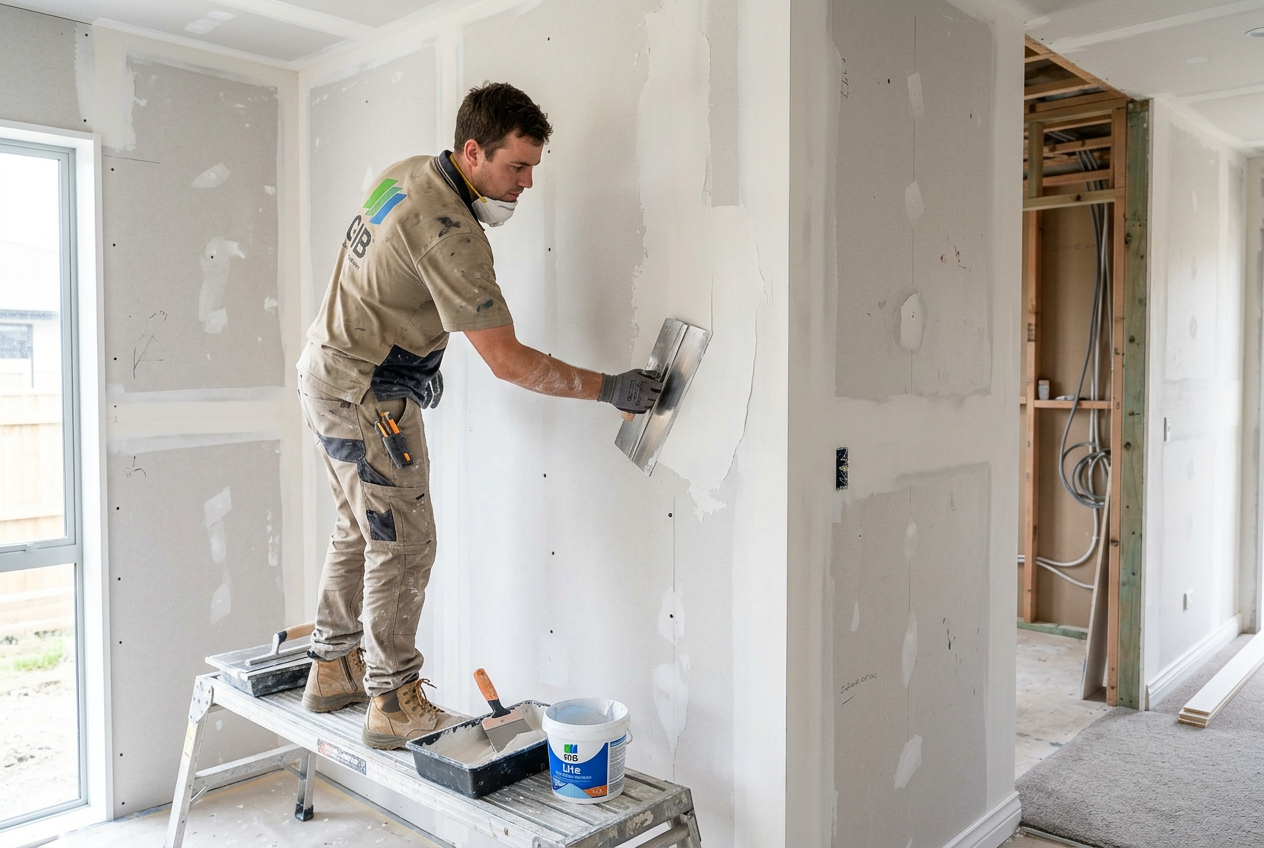
Most plastering work in New Zealand — such as patching walls, re-coating interior surfaces, or replacing damaged plaster — does not require a building consent. However, there are situations where consent is needed, particularly when plastering is part of a larger building project or involves weatherproofing an exterior. Understanding the rules can save you time, money, and potential headaches down the track.
What Is a Building Consent and Why Does It Matter?
A building consent is approval from your local council that confirms proposed building work complies with the NZ Building Code. It's required for many types of construction and renovation work to ensure safety and quality standards are met. Working without a required consent can create serious problems when you come to sell your home or make an insurance claim.
When Plastering Does NOT Require a Building Consent
The good news is that the majority of everyday plastering jobs fall under Schedule 1 of the Building Act 2004, which lists work that is exempt from requiring a building consent. Common exempt plastering tasks include:
- Patching and repairing existing interior plaster or plasterboard
- Applying a new coat of plaster to interior walls or ceilings that are already lined
- Decorative plaster work such as cornices, ceiling roses, or feature walls
- Replacing damaged GIB plasterboard in small areas as maintenance
- Skim coating over existing surfaces
These are generally considered maintenance and repair work, which is explicitly excluded from the consent requirement under Schedule 1. That said, the scope of "maintenance" has limits — always check with your local council if you're unsure whether your specific job qualifies.
When Plastering DOES Require a Building Consent
Plastering becomes a consented activity when it forms part of a larger project that itself requires consent, or when it directly affects the weathertightness or structural integrity of a building. Examples include:
- New construction — plastering as part of a new build or major addition always requires consent as part of the overall project
- Exterior plaster systems (EIFS or monolithic cladding) — applying or replacing an exterior plaster cladding system is significant weatherproofing work under Building Code clause E2 (External Moisture) and will almost certainly require consent
- Re-cladding a house — if you're replacing an entire exterior cladding system (e.g., replacing weatherboards with a plaster system), this is consented work
- Structural changes — if plastering follows removal of load-bearing walls or other structural alterations, the broader project requires consent
- Wet area liners — in bathrooms and kitchens, if you're replacing or installing new wet area systems (relevant to Building Code clause E3), this may require consent depending on scope
A Note on Exterior Plaster Systems
NZ has had well-documented issues with leaky buildings, many of which involved exterior plaster cladding. Because of this history, councils and BRANZ take weathertightness very seriously. If your home has monolithic cladding or you're planning any exterior plaster work beyond minor repairs, talk to your council before starting.
Schedule 1 Exemptions — Always Confirm With Your Council
While Schedule 1 provides a list of exempt work, the interpretation can vary between councils and depends on the specific details of your project. Always confirm with your local council before assuming your plastering job is exempt. This is especially important if:
- The work is part of a broader renovation
- You're unsure whether the plaster is structural or weatherproofing
- Your home is a heritage building (additional restrictions may apply)
- You're a landlord and the work relates to Healthy Homes Standards
You can find general guidance on exempt building work at MBIE Building Performance.
Does a Plasterer Need to Be Licensed?
Plastering is not a restricted trade in the same way that electrical or plumbing work is. You don't need to be a Licensed Building Practitioner (LBP) simply to apply plaster. However, for consented building work, certain aspects of the job — particularly those relating to weatherproofing and the building envelope — must be carried out or supervised by an LBP with the appropriate licence class (typically Cladding).
For non-consented interior work, a homeowner can legally do their own plastering, though the results of DIY plastering can vary significantly. A skilled tradesperson will deliver a far smoother, more durable finish.
When to Call a Professional
You should engage a qualified plasterer for:
- Any exterior plaster or cladding work — the weathertightness stakes are too high for DIY
- Large interior re-plastering jobs — achieving a flat, paint-ready finish takes real skill
- Consented work — where LBP involvement may be required
- Heritage or character homes — traditional lime plaster requires specialist knowledge
- Insurance or sale purposes — professionally completed work gives you documentation and peace of mind
You can find experienced, local plasterers on tradedirectory.co.nz who are familiar with NZ Building Code requirements and council processes.

 Master Painters NZ member








