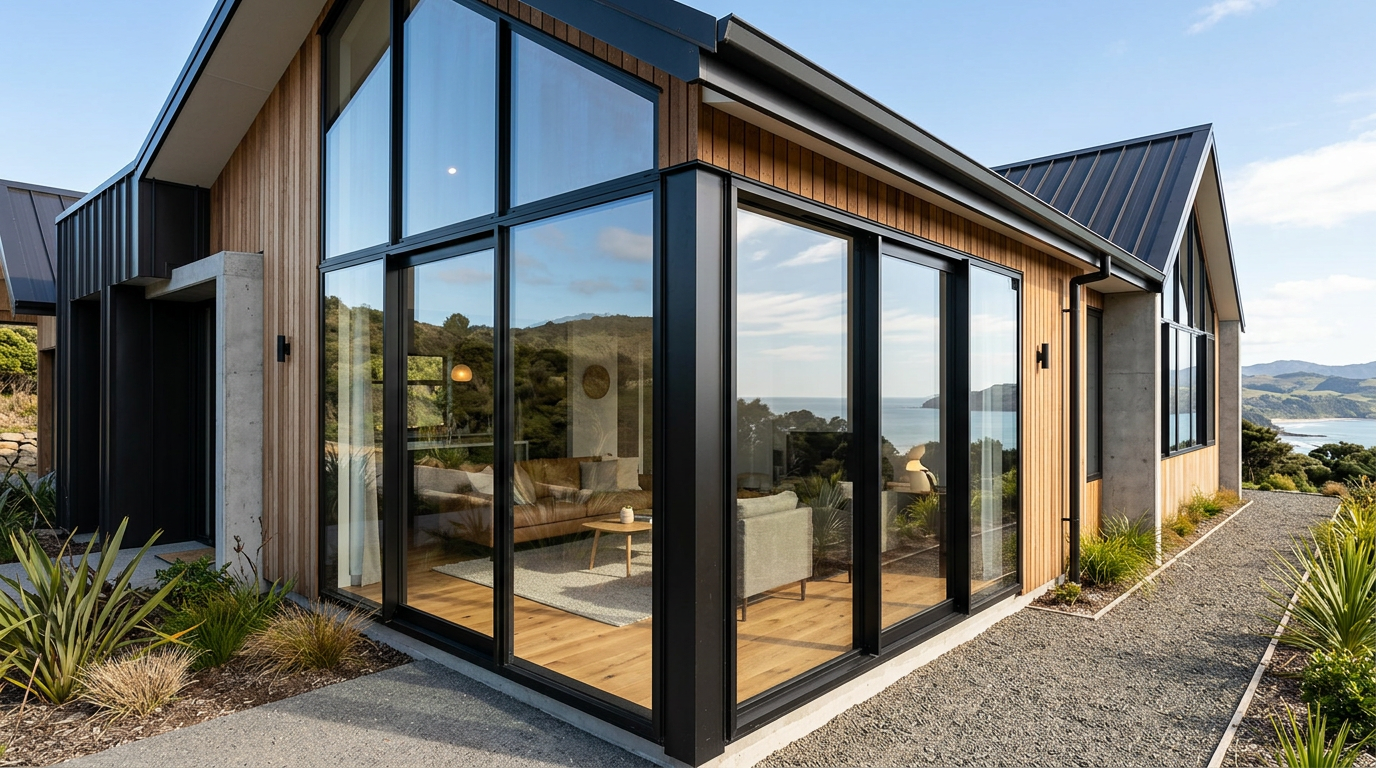
Yes, installing double glazing generally adds value to a New Zealand home — but the extent depends on your location, the existing windows, and the quality of the installation. Beyond resale value, the real-world benefits of warmth, quietness, and lower power bills make it one of the most popular home upgrades Kiwi homeowners consider.
Why Double Glazing Matters in New Zealand
New Zealand's climate varies enormously — from the cold, frosty winters of Otago and Southland to the humid summers of Northland. Single-glazed windows, which are still common in older NZ homes, are a major source of heat loss in winter and heat gain in summer. Double glazing uses two panes of glass separated by a sealed air or gas gap, dramatically reducing heat transfer and condensation.
The BRANZ (Building Research Association of New Zealand) has consistently identified windows as one of the biggest contributors to heat loss in NZ homes. Upgrading to double glazing directly addresses this, improving your home's thermal envelope.
The Value Double Glazing Adds
Double glazing can add value to your home in several ways:
- Increased market appeal: Buyers increasingly expect warm, dry homes. A double-glazed home stands out in listings, particularly in colder regions like Canterbury, Wellington, and the South Island.
- Energy efficiency ratings: Homes with better insulation and glazing may achieve higher ratings in assessments, which is becoming more relevant to buyers and tenants.
- Healthy Homes compliance: For rental properties, Tenancy Services Healthy Homes Standards require adequate heating and insulation. While double glazing isn't a direct Healthy Homes requirement, it contributes to a warmer, drier home and can reduce heating costs.
- Reduced condensation and moisture damage: Condensation on single-glazed windows can lead to mould and rot. Double glazing significantly reduces this risk, protecting your home's structure and interior.
- Noise reduction: Homes near busy roads or flight paths benefit noticeably from the acoustic dampening that double glazing provides.
As a broad guide, real estate professionals in NZ often suggest that quality double glazing can contribute meaningfully to a home's perceived value, though the exact dollar figure varies by property and market conditions. It's worth speaking with a local valuer or real estate agent for a property-specific view.
Double Glazing and the NZ Building Code
New Zealand's Building Code sets minimum standards for windows in new builds and major alterations. Clause H1 (Energy Efficiency) specifies minimum thermal performance requirements for glazing, which vary by climate zone. If you're replacing all windows in an older home as part of a significant renovation, your project may need to meet current H1 standards.
For guidance on whether your project requires a building consent, always check with your local council. Some window replacements may qualify as Schedule 1 exempt work under the Building Act — but this depends on the scope of work and your specific situation. The MBIE Building Performance website is a reliable starting point for understanding consent requirements.
What to Expect from Installation
Double glazing installation in NZ typically involves:
- Assessment: A glazier measures your existing frames and assesses whether they can be retrofitted or need full replacement.
- Frame options: Aluminium frames are the most common in NZ. Thermally broken aluminium frames offer better insulation than standard aluminium. uPVC frames are also available and provide excellent thermal performance.
- Glass options: Low-E (low emissivity) glass coatings improve thermal performance further. Argon gas-filled units are another upgrade worth considering.
- Installation: A qualified glazier removes the old windows and installs the new units, ensuring weathertight seals around frames — critical in NZ's variable climate.
Costs vary widely depending on the number of windows, frame type, glass specification, and your location. As a rough guide, double glazing retrofits or replacements can range from a few hundred dollars per window to several thousand for larger or more complex installations. Get at least two or three quotes from qualified glaziers.
Does It Always Add Value?
Double glazing almost always improves liveability, but the return on investment at resale isn't guaranteed to cover the full cost of installation. In premium markets or colder climates, the uplift tends to be stronger. In warmer northern regions, buyers may place less premium on it — though comfort and energy savings still make it worthwhile.
The best approach is to think of double glazing as a long-term investment in comfort and running costs, with a likely positive (if not always dollar-for-dollar) effect on resale value.
When to Call a Professional
Window and glazing installation should always be carried out by a qualified glazier. Poorly installed windows can lead to:
- Water ingress and weathertightness failures
- Voided manufacturer warranties
- Potential Building Code non-compliance
Glaziers are not licensed under a statutory board in the same way as electricians or plumbers, but they should hold relevant trade qualifications and experience. If your window replacement involves any electrical work (e.g., relocating wiring around window frames), that portion must be carried out by a registered electrician under the Electrical Workers Registration Board. Similarly, if plumbing or drainage is affected, a licensed tradesperson registered with the Plumbers, Gasfitters and Drainlayers Board must do that work.
Always ask your glazier about consent requirements before work begins, and confirm with your local council if you're unsure.
You can find qualified local glaziers on tradedirectory.co.nz to get competitive quotes and peace of mind.



 Window & Glass Association