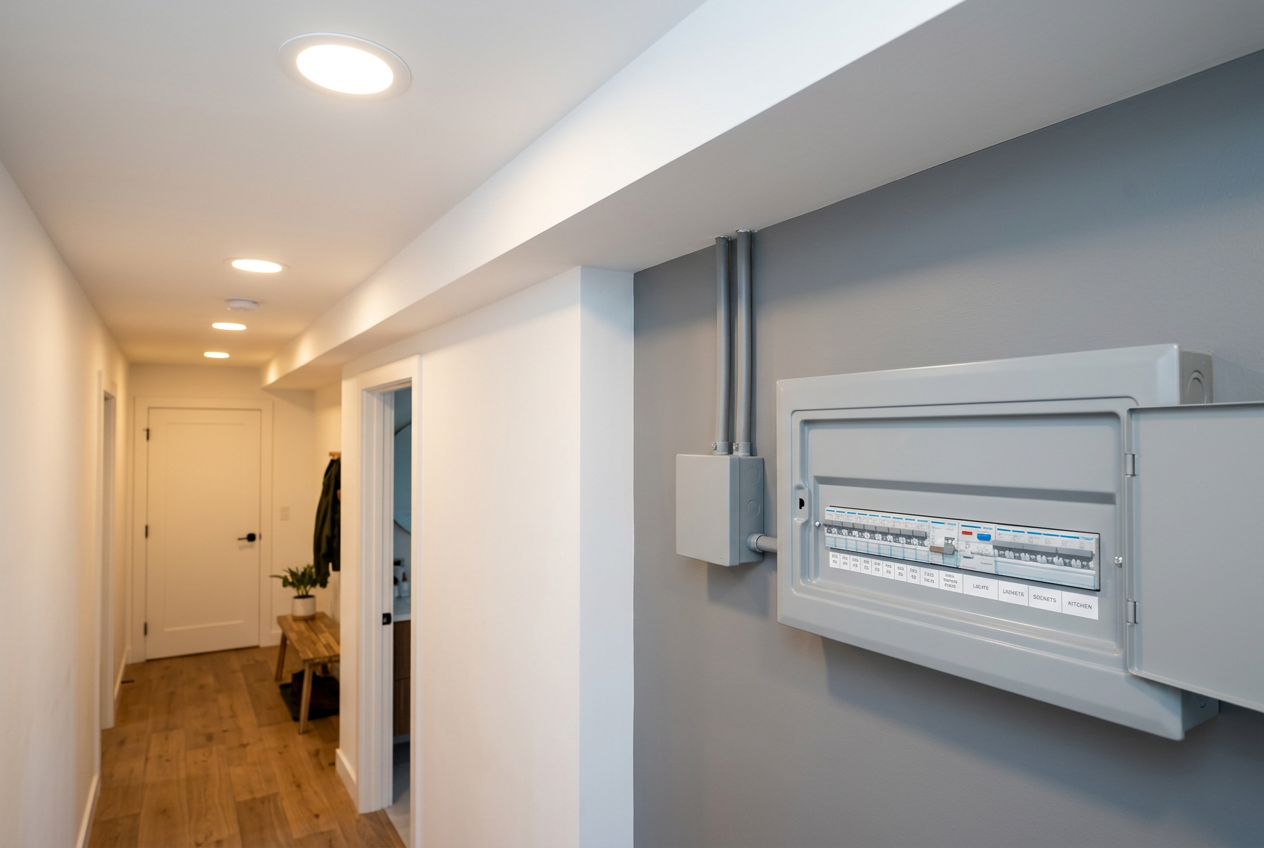
Yes, electrical work in NZ does come with legal protections — but the rules are spread across a few different laws and standards, so it pays to understand exactly what you're covered for. In short, you have statutory rights under the Consumer Guarantees Act 1993 (CGA), and your electrician may also offer their own workmanship warranty on top of that.
Your Rights Under the Consumer Guarantees Act
The Consumer Guarantees Act 1993 is the main piece of legislation protecting homeowners who hire a tradesperson. Under the CGA, any service — including electrical work — must be:
- Carried out with reasonable care and skill
- Completed in a reasonable time (if no timeframe was agreed)
- Fit for purpose and producing the result you asked for
- Priced reasonably (if no price was agreed upfront)
Importantly, the CGA does not set a fixed number of years as a warranty period. Instead, your rights last for as long as is reasonable given the nature of the work. A simple power point installation might have a shorter reasonable period than a full rewire of your home. If the work fails within what a court would consider a reasonable timeframe, you can ask the electrician to remedy the fault at no charge.
For more detail on your consumer rights, Consumer NZ is an excellent independent resource.
Workmanship Warranties From Your Electrician
Many electricians offer an express workmanship warranty — typically ranging from one to two years as a guide, though this varies between businesses. This is separate from your CGA rights and is essentially a promise the tradesperson makes about their own work. Always ask for any warranty to be provided in writing before work begins.
Note that a workmanship warranty generally covers the labour and installation quality, not the electrical products or materials themselves. Appliances, switchboards, cables, and fittings are usually covered by the manufacturer's product warranty instead.
Product Warranties on Materials and Fittings
If an electrical component fails — say, a switchboard component, a light fitting, or a safety switch — the manufacturer's warranty applies. These vary widely, so check the documentation that comes with any installed products. Under the CGA, products must also be of acceptable quality, so you have rights against the supplier if a product fails prematurely.
The Role of Electrical Licensing and Compliance
In NZ, most electrical work is restricted work that must be carried out by a licensed electrician registered with the Electrical Workers Registration Board (EWRB). This isn't just a formality — it directly affects your warranty position:
- Licensed electricians must issue a Certificate of Compliance (CoC) for restricted electrical work. This document confirms the work meets the requirements of the Electricity (Safety) Regulations 2010 and relevant standards.
- If work is done without a CoC by an unlicensed person, you may have no legal recourse and could face issues with your home insurance.
- Keep your CoC in a safe place — you'll need it when selling your home or making an insurance claim.
What counts as restricted work? Almost all fixed wiring, switchboard work, and connections to the mains supply are restricted. A homeowner can legally do very limited tasks — such as replacing a light fitting on an existing fitting (in some circumstances) — but if in doubt, always use a licensed electrician. Check with EWRB or your electrician if you're unsure.
What to Do If Electrical Work Is Faulty
If you believe work has been done poorly or has failed within a reasonable period, here's a sensible approach:
- Contact the electrician first — give them a chance to remedy the issue. Under the CGA, they are entitled to fix the problem before you seek other remedies.
- Put your complaint in writing — email creates a clear record.
- If they won't fix it, you can escalate to the Disputes Tribunal (for claims up to $30,000) or seek legal advice.
- If you believe the work was unsafe or done by an unlicensed person, you can report it to the EWRB or WorkSafe NZ.
Building Consent and Electrical Work
Some electrical work — particularly in new builds or major renovations — may require a building consent through your local council. MBIE Building Performance provides guidance on when consent is needed. Work done under consent is also subject to council inspections, adding another layer of quality assurance. Always confirm consent requirements with your local council before work begins.
When to Call a Professional
All restricted electrical work must be carried out by a licensed electrician — this is a legal requirement, not just a recommendation. Attempting restricted work yourself is illegal, dangerous, and will void your home insurance. If you're unsure whether a job is restricted, contact a qualified electrician or check with the EWRB.
⚠️ Safety note: Faulty electrical work is a leading cause of house fires in NZ. Never ignore flickering lights, tripping breakers, burning smells, or warm switchboards — call a licensed electrician promptly.
You can find qualified, local electricians on tradedirectory.co.nz to ensure your work is done safely and backed by proper warranties.
Sources & Further Reading
- Electrical Workers Registration Board (EWRB) — licensing, restricted work, and complaints
- Consumer NZ — Consumer Guarantees Act explained
- MBIE Building Performance — building consents and the NZ Building Code
- WorkSafe NZ — electrical safety and reporting unsafe work
- BRANZ — building research and best practice guidance

 Site Safe
 Licensed Electrical Inspector







