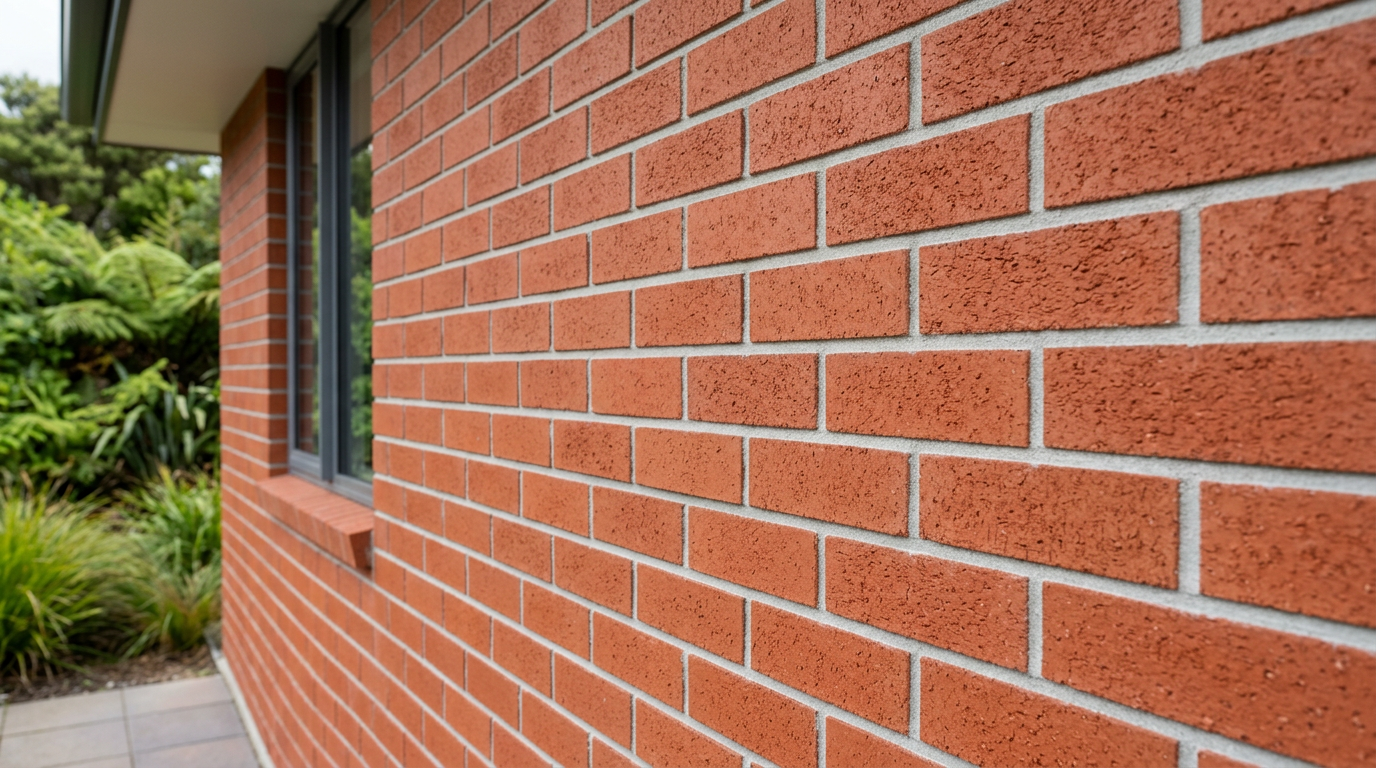
Yes — some bricklaying work in New Zealand does require a building consent and council inspections, while smaller or minor jobs may qualify as Schedule 1 exempt work. The key is knowing which category your project falls into before you pick up a trowel or hire a tradesperson.
Why Building Consents Matter for Bricklaying
In New Zealand, the Building Act 2004 sets out when building work needs a consent from your local council (territorial authority). Bricklaying can involve structural elements — walls, piers, chimneys, retaining walls — that affect the safety and durability of a building. When that's the case, council oversight through inspections is there to make sure the work meets the NZ Building Code.
The MBIE Building Performance website is the best starting point for understanding consent requirements and the Building Code clauses that apply to masonry work.
What Bricklaying Work Typically Needs a Consent
As a general guide, you'll likely need a building consent for:
- New brick or block walls that are structural (load-bearing or part of the building envelope)
- Brick veneer cladding on a new build or major renovation
- Masonry chimneys (new construction or significant alteration)
- Retaining walls over 1.5 metres in height (or lower if they support a surcharge such as a driveway)
- Brick piers or columns that support a structure
- Re-piling or underpinning using masonry
For structural masonry, the relevant standard is NZS 4230 (Design of Reinforced Concrete Masonry Structures) and NZS 3604 for timber-framed buildings with masonry cladding. Your council's building department can confirm which standards apply to your specific project.
What May Be Exempt (Schedule 1 Work)
Schedule 1 of the Building Act lists work that doesn't need a building consent. Some bricklaying tasks can fall under these exemptions, such as:
- Garden walls and freestanding walls — generally exempt if they are no more than 1 metre high and not retaining soil
- Repair and maintenance — like-for-like replacement of existing brickwork that doesn't change the structure
- Small garden paths and paving at ground level
Important: Schedule 1 exemptions have specific conditions and limitations. Always confirm with your local council before assuming your project is exempt — the rules can vary and councils interpret them slightly differently.
What Happens During a Council Inspection?
If your bricklaying project does require consent, the council will typically carry out one or more inspections at set stages of the work. Common inspection points for masonry work include:
| Inspection Stage | What the Inspector Checks |
|---|---|
| Foundation/footing | Dimensions, depth, reinforcing steel placement |
| Reinforcing (pre-pour) | Steel size, spacing, cover before concrete is placed |
| In-progress masonry | Bond pattern, mortar mix, cavity ties, damp-proof course |
| Final inspection | Overall compliance, weathertightness, finish |
The inspector will check that the work complies with the approved consent documents and the NZ Building Code — particularly clauses like B1 (Structure), B2 (Durability), and E2 (External Moisture). BRANZ publishes useful technical guidance on masonry construction that both tradespeople and homeowners can reference.
NZ Climate Considerations for Masonry
New Zealand's varied climate — from the wet West Coast to the earthquake-prone Canterbury Plains — means masonry work has to be designed and built with local conditions in mind. Seismic design is particularly important; reinforced masonry is often required in higher seismic zones. Your engineer and council will advise on the specific requirements for your region.
Weathertightness is another key concern. Brick veneer systems must include a proper cavity and drainage plane to meet Building Code clause E2. Poor detailing around windows, lintels, and flashings is a common source of moisture problems, so council inspections at these stages are genuinely valuable.
Do You Need a Licensed Building Practitioner?
For restricted building work (RBW) — which includes structural and weathertight elements of a home — the work must be carried out or supervised by a Licensed Building Practitioner (LBP). Brick veneer cladding on a house and structural masonry walls typically fall into this category.
You can check whether a bricklayer holds an LBP licence at the Licensed Building Practitioners register. Hiring an LBP also means you'll receive a Record of Work, which is an important document for your building file and future property sales.
When to Call a Professional
For anything beyond very minor repairs or small garden features, it's strongly recommended to engage a qualified, experienced bricklayer — ideally one who holds an LBP licence if the work is on your home. A professional will:
- Advise whether consent is needed before work starts
- Ensure the work is designed and built to meet the NZ Building Code
- Liaise with your council and be on-site for inspections
- Provide the required documentation at the end of the job
You can find qualified local bricklayers on tradedirectory.co.nz. Always ask to see their LBP licence number if the work involves your home's structure or cladding.


 Licensed Building Practitioner (LBP)





