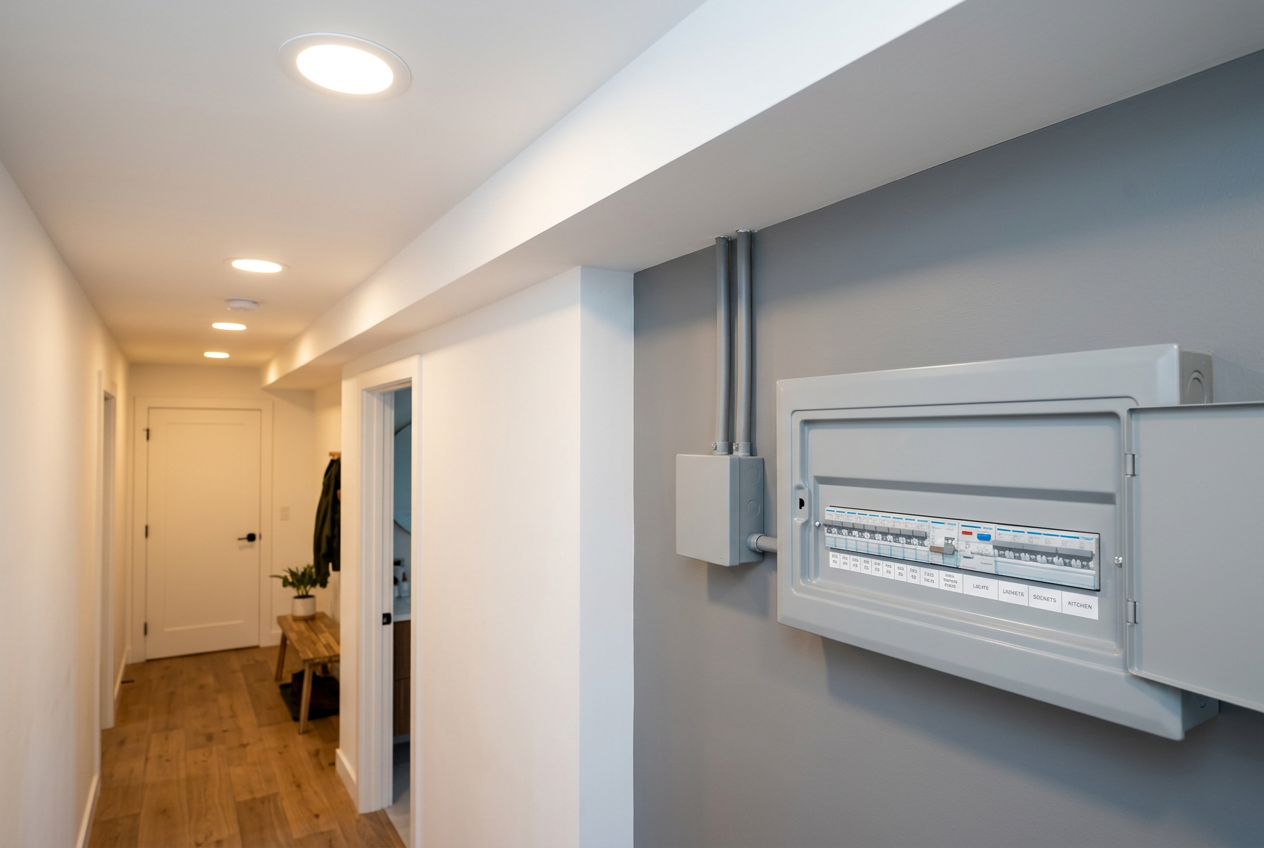
In most cases, your electrician can start work without getting council approval first — but there are important exceptions. Whether a building consent is required depends on the scope of the work, not just the electrical side of things. Understanding the difference can save you time, money, and potential headaches down the track.
How Electrical Work Is Regulated in New Zealand
Electrical work in New Zealand is primarily regulated through the Electricity Act 1992 and the Electricity (Safety) Regulations 2010, rather than through your local council. The key authority overseeing licensed electricians is the Electrical Workers Registration Board (EWRB), which registers and licences electrical workers.
For most everyday electrical jobs — adding a power point, replacing a switchboard, installing lighting, or wiring a new circuit — your electrician does not need to apply to the council before starting. Instead, they must:
- Hold the appropriate licence for the work being done
- Complete the work to the New Zealand Wiring Rules (AS/NZS 3000) standard
- Issue you a Certificate of Compliance (CoC) on completion
This CoC is your proof that the work was done safely and to code. Keep it somewhere safe — you may need it when you sell your home.
When a Building Consent Is Required
Here's where things get more involved. While the electrical work itself may not trigger a council application, the building work associated with it sometimes does. Under the NZ Building Code, certain projects require a building consent from your local council before work begins.
Examples where a building consent may be needed alongside electrical work include:
- Installing a heat pump (if structural work or weathertightness is affected)
- Adding a new room or sleepout that requires electrical wiring
- Installing a solar PV system in some circumstances
- Major renovations that involve new circuits as part of broader building work
- Installing a swimming pool or spa pool (which also has specific electrical safety requirements)
Some work falls under Schedule 1 of the Building Act, which lists exemptions from the consent process — but the rules can be nuanced. Always check with your local council before assuming consent isn't needed. What's exempt in one situation may not be in another.
What Counts as Restricted Electrical Work?
Restricted electrical work (REW) is any electrical work that could affect the safety of a building's electrical installation. In New Zealand, REW must only be carried out by — or supervised by — a registered and licensed electrician. This is a legal requirement, not just a recommendation.
REW includes things like:
- Installing or altering wiring in walls, ceilings, or floors
- Connecting to the mains supply
- Installing switchboards or distribution boards
- Any work on fixed electrical equipment
Homeowners are permitted to do very limited electrical work themselves — such as replacing a plug — but anything beyond simple replacements should be left to a licensed professional. If in doubt, contact the EWRB or ask a qualified electrician.
The Role of Your Local Council
Your local council's involvement is mainly triggered by building consents, not electrical licencing. If your project does require a consent, the council will want to see plans and may inspect the work at various stages. The electrical work will still need to meet the NZ Wiring Rules, and your electrician will still issue a CoC — but the council sign-off adds another layer of compliance for the overall building project.
For guidance on what requires a building consent and what's exempt, MBIE Building Performance is the best starting point, alongside a conversation with your local council.
A Quick Reference Guide
| Type of Work | Council Consent Needed? | Licensed Electrician Required? |
|---|---|---|
| Replacing power points or switches | Generally no | Yes (REW) |
| New circuits in existing home | Generally no | Yes (REW) |
| Switchboard upgrade | Generally no | Yes (REW) |
| Solar PV installation | Sometimes | Yes (REW) |
| New room/sleepout wiring | Likely yes (building work) | Yes (REW) |
| Swimming pool electrical | Likely yes | Yes (REW) |
Always confirm with your council — exemptions vary by project and location.
Safety Note
Unlicensed electrical work is not just illegal — it's genuinely dangerous. Faulty wiring is a leading cause of house fires in New Zealand. Never attempt restricted electrical work yourself, and always ask your electrician for their Certificate of Compliance once the job is done. WorkSafe NZ has further guidance on electrical safety in and around the home.
When to Call a Professional
For any electrical work beyond the most basic like-for-like replacements, you should engage a licensed electrician. If your project involves structural changes, new rooms, or anything that might affect weathertightness, talk to a Licensed Building Practitioner (LBP) as well — they can help you work out whether a building consent is needed before work starts.
You can find qualified, local electricians on tradedirectory.co.nz who are familiar with NZ regulations and can advise you on the consent process from the outset.
Sources & Further Reading
- Electrical Workers Registration Board (EWRB) — licensing, registration and restricted electrical work
- MBIE Building Performance — building consents, the NZ Building Code and Schedule 1 exemptions
- WorkSafe NZ — electrical safety guidance
- Licensed Building Practitioners — finding licensed building professionals
- BRANZ — independent building research and technical guidance

 Site Safe
 Licensed Electrical Inspector







