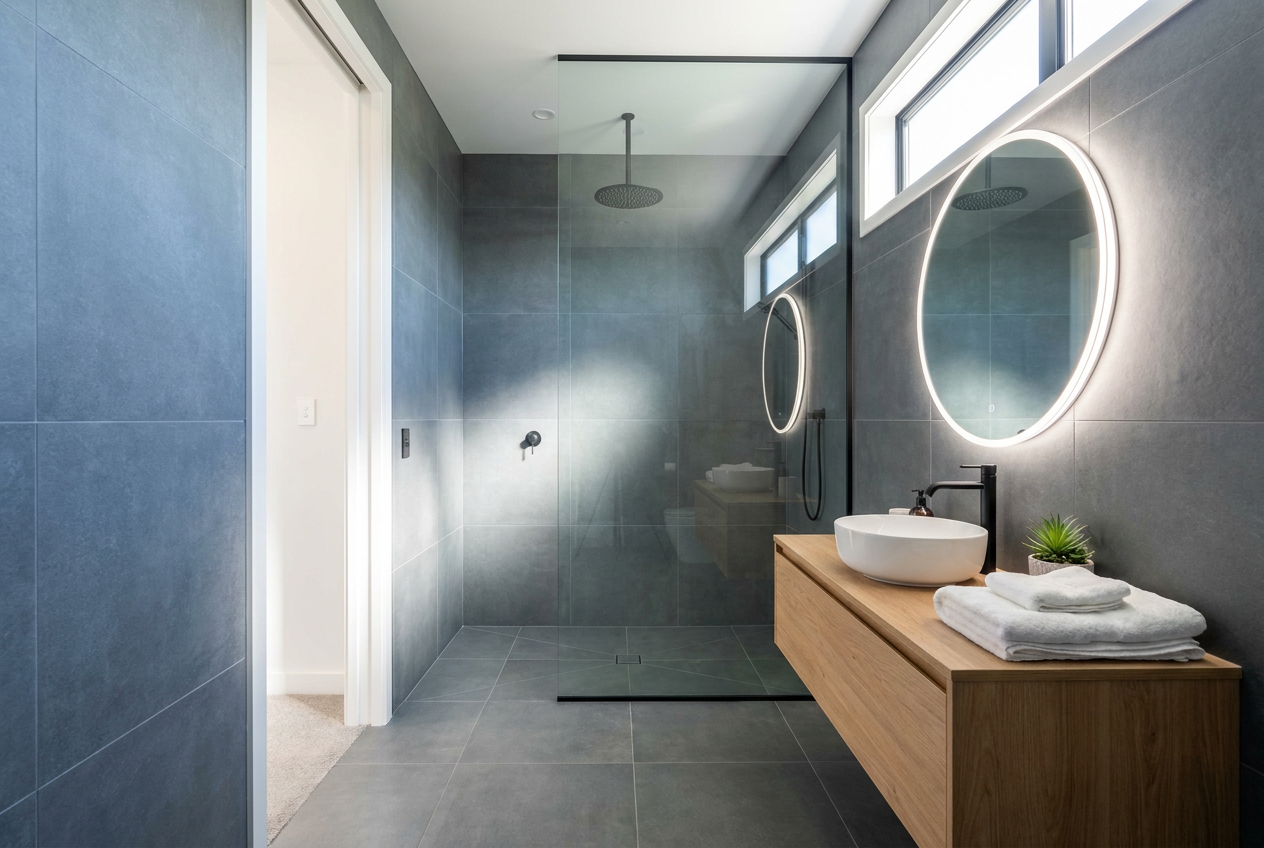
In New Zealand, whether a waterproofer needs to provide a producer statement depends on the scope of the work, whether a building consent is required, and what your local council asks for. For many waterproofing jobs that fall under consented building work — such as wet area waterproofing in new builds or significant renovations — a producer statement is commonly required and is considered best practice.
What Is a Producer Statement?
A producer statement is a written declaration from a suitably qualified person — in this case, a waterproofing contractor or specialist — confirming that the work they have carried out complies with the NZ Building Code and any relevant plans or specifications. It is not a guarantee or warranty in itself, but it is an important piece of documentation that helps building consent authorities (BCAs, i.e. your local council) grant a code compliance certificate (CCC) at the end of a project.
Producer statements come in different types:
- PS1 – Design producer statement (from a designer or engineer)
- PS2 – Review of design (peer review)
- PS3 – Construction producer statement (from the contractor doing the work — most relevant to waterproofers)
- PS4 – Construction review (from an independent reviewer)
For waterproofing, the PS3 is the most common type you'll encounter. It is completed by the waterproofing contractor after the work is done, confirming it was installed in accordance with the design and the Building Code.
When Is a Producer Statement Required for Waterproofing?
Not every waterproofing job requires a producer statement. Here's a general guide:
| Situation | Producer Statement Likely Required? |
|---|---|
| New residential build (consented) | Yes — usually required by the BCA |
| Major bathroom/wet area renovation (consented) | Yes — council will typically ask for one |
| Minor maintenance or repair (Schedule 1 exempt) | Generally no |
| Commercial or multi-unit development | Yes — almost always required |
| Deck or balcony waterproofing (consented) | Yes — especially if over habitable space |
The key trigger is whether the work requires a building consent. If it does, your council will almost certainly want documentation — including a PS3 from your waterproofer — before issuing a CCC. Always confirm requirements with your local council, as BCAs can vary in what they ask for.
Why Waterproofing Is So Important Under the Building Code
Waterproofing is directly tied to several clauses of the NZ Building Code, particularly Clause E3 (Internal Moisture) and Clause E2 (External Moisture). These clauses require that buildings are constructed to prevent moisture from causing damage or creating unhealthy conditions. Poor waterproofing is one of the leading causes of building defects in New Zealand, so councils take it seriously.
BRANZ — New Zealand's building research organisation — provides guidance on best-practice waterproofing methods, and their resources are widely referenced by both contractors and councils.
What Should a Waterproofer's Producer Statement Cover?
A well-prepared PS3 from a waterproofer should typically include:
- The address and description of the work
- Reference to the specific Building Code clauses the work complies with (e.g. E2, E3)
- The products and systems used, including manufacturer specifications
- Confirmation that installation followed the manufacturer's requirements and any approved design
- The contractor's name, signature, and qualifications or licence details
- The date the work was completed
Some councils may have their own producer statement templates — check with your BCA before the work starts so your waterproofer knows exactly what format is needed.
Does the Waterproofer Need to Be Licensed?
Waterproofing is not currently a licensed building practitioner (LBP) restricted work category on its own in the same way that structural, external cladding, or roofing work is. However, if the waterproofing is part of a broader consented project — for example, a bathroom renovation that involves plumbing — then the restricted building work rules may apply to other trades involved.
That said, many professional waterproofers hold relevant qualifications, manufacturer certifications, or are members of industry bodies, which strengthens the credibility of any producer statement they provide. You can check the Licensed Building Practitioners register to see if your contractor holds an LBP licence in a related category.
For any plumbing connected to wet areas, work must be carried out by a licensed plumber — check the Plumbers, Gasfitters and Drainlayers Board for licensed practitioners.
When to Call a Professional
If your project requires a building consent, you should always engage a qualified, experienced waterproofing contractor who is familiar with NZ Building Code requirements and is comfortable providing a PS3. A contractor who is reluctant to provide a producer statement — or who is unfamiliar with the process — may not be the right person for a consented job.
For complex projects such as below-ground waterproofing, large decks over living areas, or commercial buildings, an engineer-designed waterproofing system with a PS1 and PS3 may be required. In these cases, products from reputable suppliers such as Sika or Ardex are commonly specified, and the contractor should be trained in their application.
You can find qualified local waterproofing professionals on tradedirectory.co.nz who are experienced with NZ Building Code compliance and producer statement requirements.

 Site Safe


 SiteWise


 Licensed Building Practitioner (LBP)




