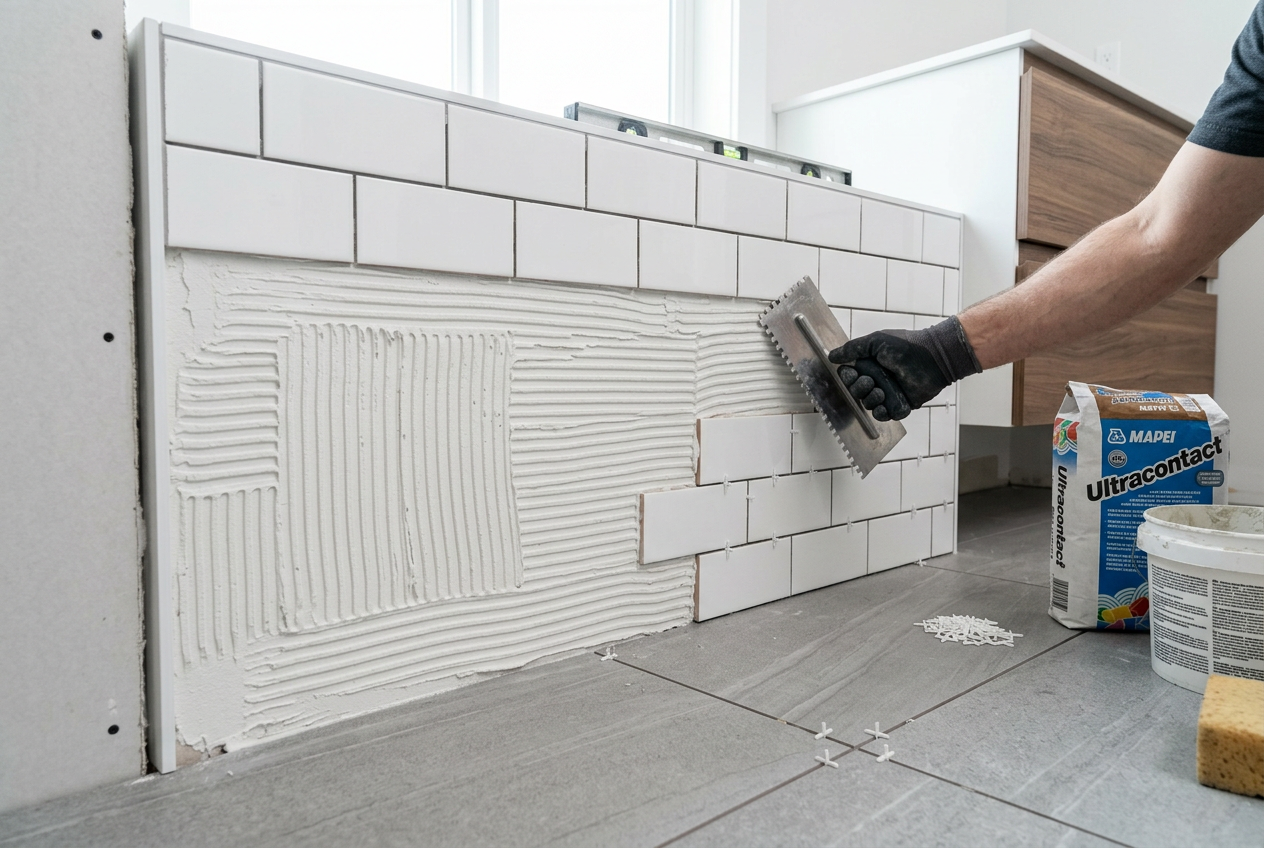
Yes, a tiler absolutely must comply with the New Zealand Building Code when working in wet areas. Tiling in bathrooms, showers, laundries, and other wet areas is directly governed by Building Code clauses — particularly E3 (Internal Moisture) and E2 (External Moisture) — and getting it wrong can lead to serious water damage, structural rot, and costly repairs down the track.
Why the Building Code Applies to Tiling
The NZ Building Code, administered by MBIE Building Performance, sets out minimum performance requirements for all building work in New Zealand. Wet area tiling is considered building work, which means it must meet the Code regardless of whether a building consent is required.
The two most relevant clauses are:
- Clause E3 – Internal Moisture: Requires that internal surfaces in wet areas (showers, baths, sinks) are waterproofed to prevent moisture penetrating walls, floors, and the building structure.
- Clause E2 – External Moisture: Relevant where wet areas are adjacent to or part of the building envelope.
A tiler who ignores these requirements isn't just doing poor work — they're potentially leaving you with a non-compliant building that could cause issues when you sell, insure, or renovate in the future.
Key Standards Tilers Must Follow
The primary technical standard for wet area tiling in New Zealand is NZS 4858 (Wet Area Membranes). This standard specifies requirements for waterproof membranes used beneath tiles in showers, bathrooms, and laundries. A competent tiler will be familiar with this standard and apply it correctly.
In practice, this means:
- Waterproof membrane must be applied to shower floors and walls (typically to a minimum height of 1800 mm in shower enclosures) before tiles are laid.
- Membrane must be continuous — no gaps, pinholes, or inadequate overlaps at junctions and corners.
- Substrate must be suitable — standard plasterboard is not acceptable in wet areas. Products like GIB Aqualine or fibre cement sheet are commonly used as wet-area-rated substrates.
- Tile adhesives and grouts must be appropriate for wet area use. Products from suppliers such as Ardex or Mapei are widely used by professional tilers in NZ.
- Grout joints must be properly sealed, particularly in shower areas, to prevent ongoing water ingress.
Does Wet Area Tiling Need a Building Consent?
This is a common question. In many cases, like-for-like retiling of an existing shower or bathroom may fall under Schedule 1 of the Building Act as exempt building work — but this is not always straightforward. The exemption generally applies when the work is maintenance or repair and does not change the building's structure or layout.
However, even exempt work must still comply with the Building Code. The exemption only removes the need for a consent — it does not remove the obligation to meet Code requirements.
If you're renovating a bathroom from scratch, moving walls, or changing the layout, a building consent is likely required. Always check with your local council before starting work, as requirements can vary.
What About Waterproofing — Is It Restricted Work?
Waterproofing and tiling itself is not restricted building work in the same way that electrical or plumbing work is. However, any plumbing connections (waste pipes, water supply) within the wet area are restricted work and must be carried out by a licensed plumber registered with the Plumbers, Gasfitters and Drainlayers Board (PGDB).
Similarly, any electrical work — such as installing a heated towel rail, exhaust fan, or in-floor heating — must be done by a registered electrician licensed through the Electrical Workers Registration Board (EWRB).
Common Wet Area Tiling Mistakes to Watch Out For
| Issue | Risk |
|---|---|
| No waterproof membrane | Water penetrates substrate, causing rot and mould |
| Wrong substrate (standard plasterboard) | Substrate breaks down, tiles crack and fall |
| Inadequate membrane height in shower | Water escapes above tiled area |
| Poor corner and junction sealing | Leaks at most vulnerable points |
| Incorrect tile adhesive | Tiles delaminate in wet conditions |
| Unsealed grout | Ongoing moisture ingress over time |
Healthy Homes and Rental Properties
If you're a landlord, note that the Healthy Homes Standards require rental properties to be free from moisture and drainage issues. A poorly tiled wet area that allows water ingress could put you in breach of these obligations, so it pays to ensure any tiling work is done properly from the start.
When to Call a Professional
Wet area tiling is one of those jobs where cutting corners can be very expensive to fix later. Leaks behind tiles often go undetected for months or years, causing significant structural damage. A qualified, experienced tiler will:
- Know and apply NZS 4858 and Building Code requirements
- Use appropriate membranes, substrates, adhesives, and grouts
- Ensure junctions, corners, and penetrations are properly sealed
- Provide you with confidence the work is compliant
You can find qualified local tilers on tradedirectory.co.nz. When getting quotes, don't hesitate to ask your tiler about their waterproofing process and which products they use — a professional will be happy to explain.
Safety note: If your bathroom renovation involves any plumbing or electrical work, always ensure those components are handled by the appropriate licensed tradespeople. Never attempt restricted work yourself.

 Site Safe
 SiteWise


 BCITO Qualified





