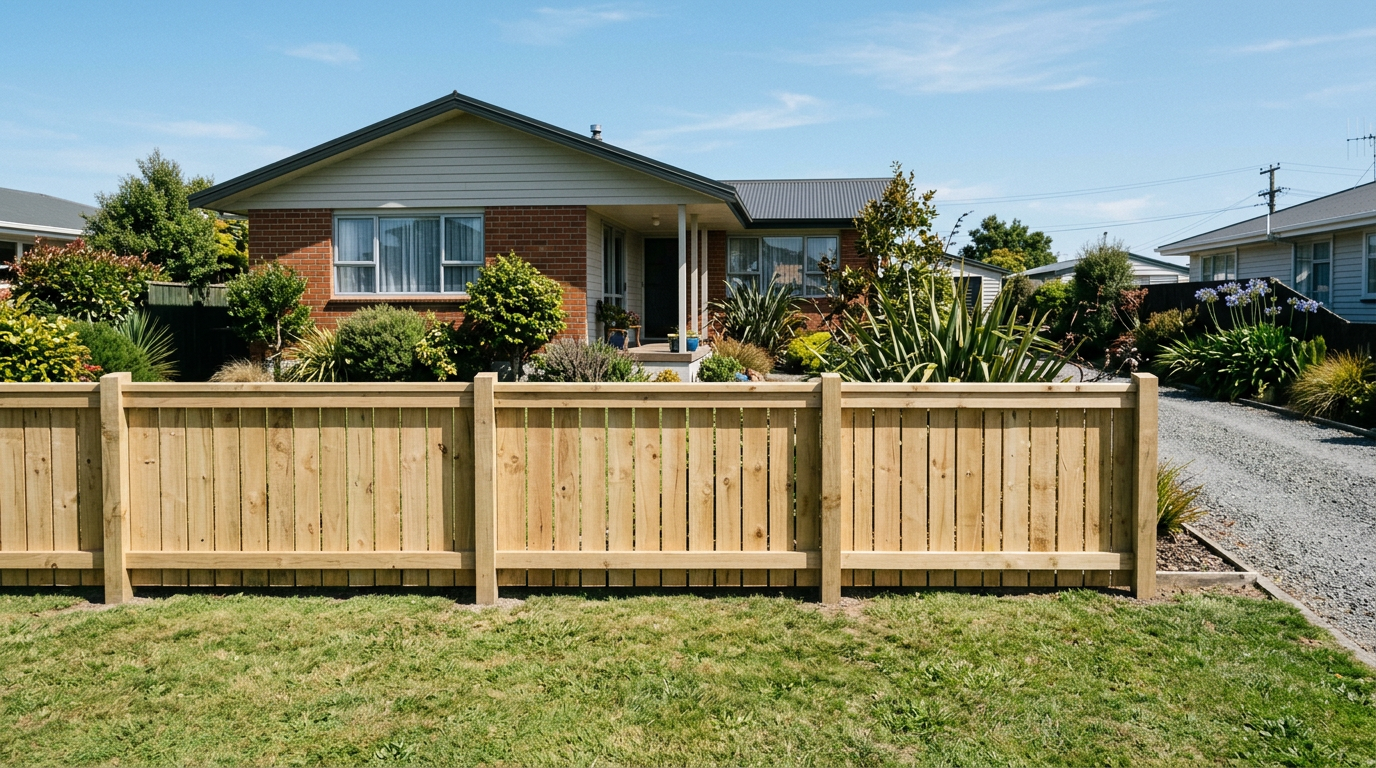
Yes, a pool fence in New Zealand must be inspected and certified by your local council before the pool can be used. This is a legal requirement under the Building Act 2004 and the Fencing of Swimming Pools Act 1987, and it applies to nearly all residential pools — including above-ground pools, spas, and hot tubs that hold water deeper than 400 mm.
Why Is a Council Inspection Required?
Pool fencing is classified as safety-critical building work in New Zealand. Drowning is a leading cause of accidental death for young children, and the law requires that pool barriers meet strict standards to prevent unsupervised access. Your local council is responsible for issuing a building consent for the pool fence and then inspecting the completed work before issuing a code compliance certificate (CCC).
The pool cannot legally be used until the fence has passed inspection; confirm the exact requirements (including whether a CCC is required before filling) with your local council. This applies whether you've built a brand-new pool or installed a fence around an existing one.
What Standards Does the Fence Need to Meet?
Pool fencing in NZ must comply with NZS 8500 (Safety Barriers and Fences Around Swimming Pools, Spas, and Hot Tubs — confirm the current edition with Standards NZ) and the NZ Building Code, specifically Clause F9 – Restricting Access to Residential Pools. Key requirements include:
- Minimum height of 1.2 m on the outside face of the fence
- No climbable footholds within 900 mm of the top of the fence
- Self-closing, self-latching gate that opens away from the pool
- The latch must be at least 1.5 m from the ground, or on the pool side and out of reach of small children
- Maximum gap of 100 mm between vertical palings or rails
- No objects within 900 mm outside the fence that a child could use to climb over
- The fence must completely enclose the pool area — the house wall can form one side only if it meets specific requirements (e.g., no direct-access doors, or doors fitted with approved alarms)
Your council will check all of these points during the inspection.
Do You Need Building Consent First?
In almost all cases, yes — you need building consent before installing a pool fence. Pool fencing is not listed as an exempt building work item under Schedule 1 of the Building Act, so you'll need to apply to your local council before work begins. Always confirm this with your council before starting, as requirements can vary slightly by region.
Once the fence is installed, you notify the council to arrange the inspection. If the work passes, the council issues the CCC. If it doesn't pass, you'll need to make corrections and arrange a re-inspection.
What Does the Inspector Check?
The council inspector will typically check:
| Requirement | Detail |
|---|---|
| Fence height | At least 1.2 m on the outside |
| Gap sizes | No gap greater than 100 mm |
| Climbability | No footholds within 900 mm of top |
| Gate operation | Self-closing and self-latching |
| Latch height/position | 1.5 m high or pool-side and shielded |
| Clearance zone | 900 mm clear outside the fence |
| Boundary walls | Any house wall used meets F9 requirements |
Ongoing Inspections — Every Three Years
It doesn't stop at installation. Under the Building (Pools) Amendment Act 2016, councils are required to inspect pool fencing at least every three years to make sure it's still compliant. You'll receive a notice from your council when an inspection is due. If your fence fails, you'll be given a timeframe to fix the issues before a follow-up inspection.
Keep your pool fence well maintained — gates, latches, and hinges can wear over time and may no longer meet the standard.
Who Can Install a Pool Fence?
Pool fence installation is not restricted electrical or plumbing work, so there's no legal requirement for the installer to hold a specific licence. However, because the fence must meet precise technical standards to pass council inspection, it's strongly recommended to use an experienced, qualified fencer who is familiar with NZ pool fencing regulations.
A professional fencer will know the exact requirements under NZS 8500 and Clause F9, and can help ensure the fence passes first time — saving you the cost and hassle of re-inspections. You can find qualified local fencers on tradedirectory.co.nz.
When to Call a Professional
Given the safety stakes and the strict legal requirements, always use a qualified, experienced fencer for pool fence installation. A fence that fails inspection can delay pool use and result in additional costs. If your existing pool fence has been damaged, modified, or if you're unsure whether it still meets the standard, have it assessed by a professional before your next council inspection. For any questions about consent requirements, contact your local council directly.
For broader guidance on building consents and the Building Code, MBIE Building Performance is an excellent resource.





