Yes — landlords in New Zealand are legally required to have documented proof that their rental property meets the insulation requirements under the Healthy Homes Standards. Simply having insulation installed isn't enough; you need paperwork to back it up. Whether you're preparing for a Tenancy Tribunal hearing, a property inspection, or a compliance statement, having the right records in order protects you as a landlord and ensures your tenants are living in a warm, healthy home.
What the Healthy Homes Insulation Standard Requires
The Healthy Homes Standards set minimum requirements for insulation in rental properties across New Zealand. Under the insulation standard, ceiling and underfloor insulation must meet minimum R-values that vary depending on the climate zone your property sits in. New Zealand is divided into three climate zones, and the required R-values differ between them — so it's important to know which zone your property falls into.
For most existing rentals, the key requirements are:
- Ceiling insulation: R-value of R2.9 (Zone 1 and 2) or R3.3 (Zone 3)
- Underfloor insulation: R1.3 across all zones
- Insulation must be in reasonable condition — not damaged, wet, compressed, or missing sections
- Wall insulation is required where it is reasonably practicable to install it
You can check the specific requirements and climate zone map on the Tenancy Services Healthy Homes website.
What Proof Do Landlords Actually Need?
Landlords must include a Healthy Homes compliance statement in any new or renewed tenancy agreement. This statement must accurately describe the current state of insulation in the property. To complete this honestly and legally, you need supporting documentation.
Acceptable forms of proof typically include:
- A written report from a qualified insulation installer confirming the type, location, thickness, and R-value of installed insulation
- Product specifications or data sheets for the insulation material used (e.g., from the manufacturer)
- Invoices or receipts from the installation job, ideally showing the product name and R-value
- A Healthy Homes assessment report completed by a qualified assessor
- For newer homes, building consent documentation or a Code Compliance Certificate (CCC) that references insulation
If insulation was installed years ago and you have no records, you may need to arrange a professional inspection to assess what's there and whether it meets current standards.
Compliance Deadlines
All private landlords were required to comply with the Healthy Homes Standards — including the insulation standard — by a specified deadline for any tenancy — check the current deadline on the Tenancy Services website, as deadlines have varied by landlord type and tenancy start date. Community housing providers and Kāinga Ora had their own deadlines. If you're unsure whether your property is compliant or what deadline applies to you, check with Tenancy Services directly.
What Happens If You Can't Provide Proof?
Failing to provide accurate compliance statements or being found non-compliant can result in financial penalties through the Tenancy Tribunal. Tenants have the right to raise a complaint if they believe the compliance statement is inaccurate. This makes proper documentation not just good practice — it's essential risk management.
Getting a Professional Insulation Assessment
If you're unsure what insulation your property has, or whether it meets the required R-values, the safest step is to hire a qualified insulation installer or Healthy Homes assessor to inspect the property. A good assessor will:
- Physically inspect ceiling, underfloor, and wall cavities
- Measure or estimate existing insulation thickness and condition
- Identify any gaps, damage, or areas that don't meet the standard
- Provide a written report you can use as compliance evidence
You can find qualified local insulation installers on tradedirectory.co.nz to help assess and document your property's insulation.
Choosing the Right Insulation Products
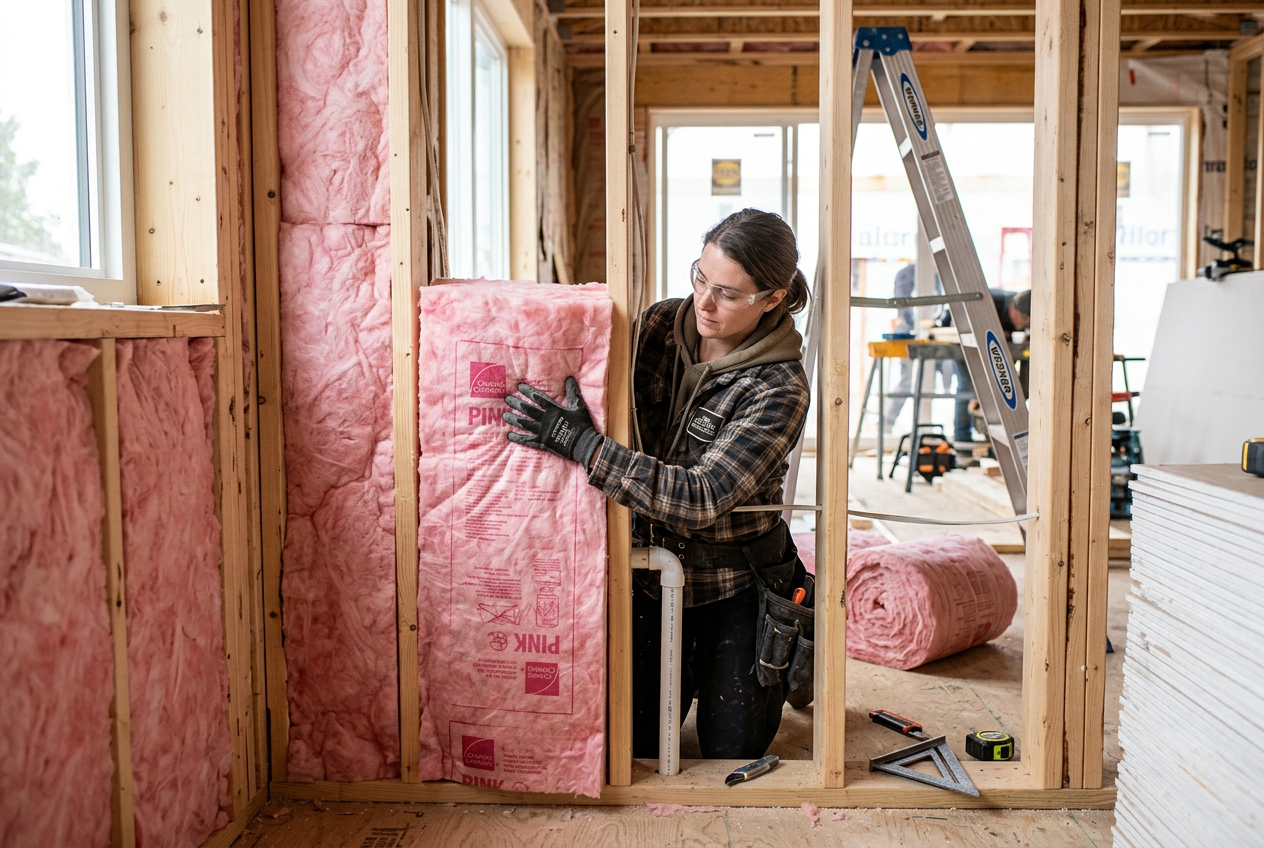
If your property needs a top-up or new insulation to reach the required R-values, there are several well-regarded products available in New Zealand. Glasswool and polyester batts are common for ceiling and underfloor applications. Suppliers and hardware stores such as Bunnings, Mitre 10, and PlaceMakers stock a range of insulation products, and a professional installer can advise on what's appropriate for your property type and climate zone.
For technical guidance on insulation performance and building science, BRANZ is an excellent NZ-based resource.
Does Insulation Work Require a Building Consent?
In most cases, installing or replacing insulation in an existing home is a Schedule 1 exempt activity under the Building Act and does not require a building consent. However, this can depend on the scope of work and your local council's interpretation. Always confirm with your local council before starting any work if you're unsure.
For general guidance on building consents and exemptions, visit MBIE Building Performance.
When to Call a Professional
You should engage a qualified insulation installer or Healthy Homes assessor if:
- You have no existing documentation about your property's insulation
- You're unsure whether current insulation meets the required R-values
- Insulation appears damaged, wet, or compressed
- You need a written report for your compliance statement
- You're installing new insulation to bring the property up to standard
A professional will provide the written evidence you need to complete your compliance statement accurately and confidently. Find a local insulation specialist on tradedirectory.co.nz.