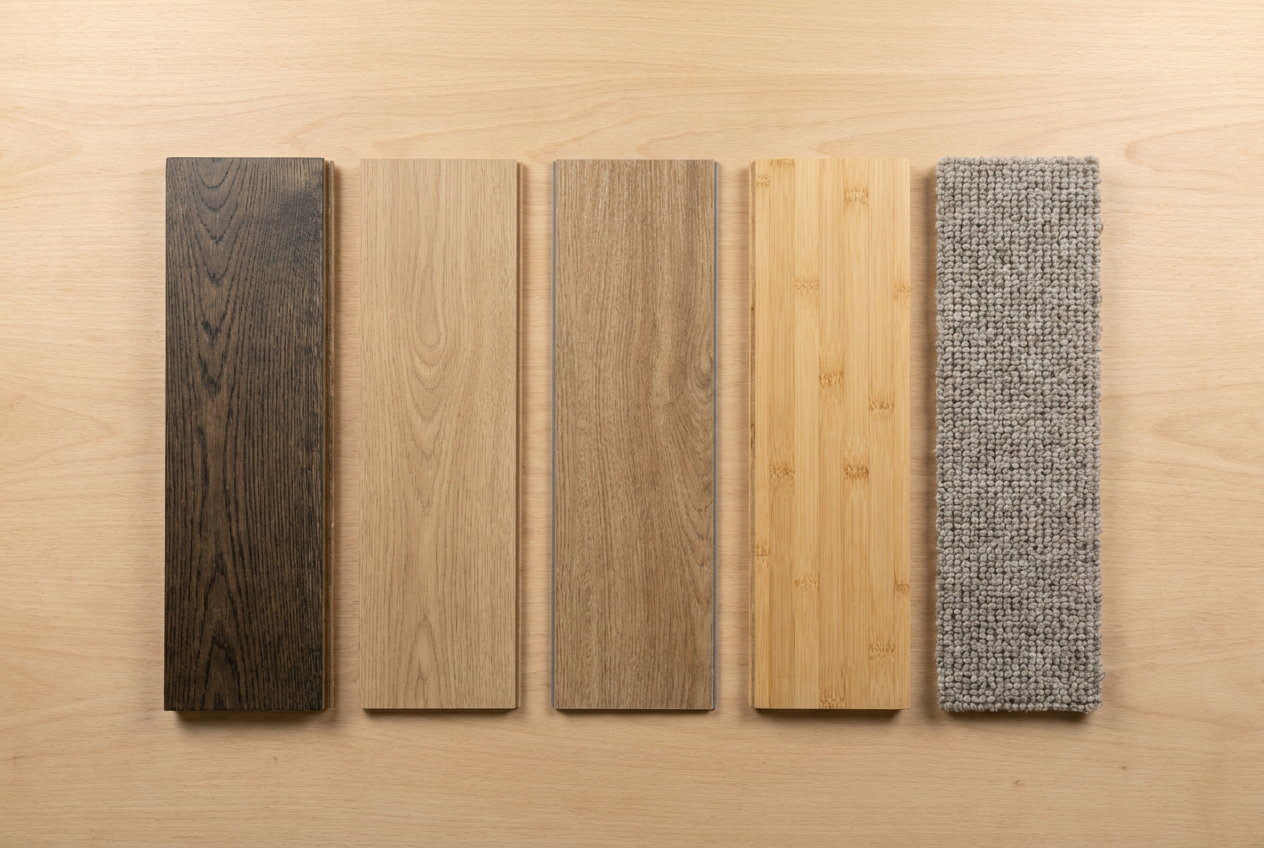
Floor sanding is not a licensed or restricted trade in New Zealand, meaning there is no legal requirement for a floor sander to hold a specific government-issued licence before they can work on your floors. However, that doesn't mean qualifications and experience are unimportant — quite the opposite. Choosing a skilled, knowledgeable operator can be the difference between a beautifully restored floor and one that's been permanently damaged.
Is Floor Sanding a Licensed Trade in NZ?
Unlike electrical work (regulated by the Electrical Workers Registration Board) or plumbing and gasfitting (regulated by the Plumbers, Gasfitters and Drainlayers Board), floor sanding has no equivalent licensing body in New Zealand. There is no statutory register of floor sanders, and no law prevents an unlicensed person from offering the service commercially.
This means the onus is on you as a homeowner to do your homework before hiring someone.
What Qualifications Might a Floor Sander Hold?
While there is no mandatory licence, reputable floor sanders may hold one or more of the following:
- NZQA unit standards – Vocational training through providers such as Competenz or similar industry training organisations can cover timber floor sanding, finishing, and coating application.
- On-the-job apprenticeship experience – Many skilled floor sanders have learned their trade working alongside experienced operators for several years.
- Manufacturer training – Coating suppliers such as Dulux, Wattyl, and Resene sometimes offer product-specific training for applicators, covering correct use of their floor finish systems.
- Health and safety training – Because floor sanding involves significant dust exposure and flammable finishes, a good operator should have completed relevant WorkSafe NZ health and safety training.
When you contact a floor sander, it's perfectly reasonable to ask what training or experience they have.
Why Experience Matters More Than a Certificate
Floor sanding is a highly skilled, equipment-intensive job. Getting it wrong can mean:
- Sanding through the wear layer of engineered timber, making the floor unrepairable
- Drum marks, chatter marks, or swirl marks left by incorrect machine technique
- Uneven staining if the floor isn't prepared to a consistent profile
- Finish adhesion failures from incorrect surface preparation or coating application
Ask potential contractors how many floors they have sanded, whether they can provide references or photos of completed work, and what equipment they use. Professional-grade drum sanders, edge sanders, and buffer/polisher combinations produce far better results than hire-shop equipment in inexperienced hands.
Health, Safety, and Legal Obligations
Even without a trade licence, floor sanders operating as a business in New Zealand must comply with:
- Health and Safety at Work Act 2015 – They have a duty of care to themselves, their workers, and anyone affected by their work. WorkSafe NZ provides guidance on managing dust and solvent hazards.
- Dust exposure – Timber dust (especially from hardwoods) is a known respiratory hazard. Reputable operators use dust-extraction equipment and appropriate PPE.
- Flammable finishes – Oil-based polyurethanes and stains are flammable. Proper ventilation and no ignition sources are essential during application and curing.
- Consumer Guarantees Act 1993 – Any tradesperson you hire must carry out work with reasonable care and skill. If they don't, you have legal recourse.
Does the NZ Building Code Apply?
For most residential floor sanding and refinishing jobs, no building consent is required — this is generally considered maintenance work. However, if you are replacing a timber floor (rather than sanding an existing one), or if the work is part of a larger renovation, consent requirements may apply. Always check with your local council if you are unsure. The MBIE Building Performance website has useful guidance on what work requires consent.
What to Look for When Hiring a Floor Sander
Use this checklist when comparing quotes:
| What to Check | Why It Matters |
|---|---|
| Years of experience | Technique takes time to develop |
| Portfolio or references | Proof of quality results |
| Insurance (public liability) | Protects you if something goes wrong |
| Dust extraction equipment | Health, safety, and cleanliness |
| Product knowledge | Right finish for your floor type |
| Written quote | Avoids disputes over scope and cost |
As a rough guide, professional floor sanding and finishing in NZ typically costs several hundred to over a thousand dollars depending on floor size, condition, and finish type — but get multiple quotes as prices vary widely by region and job complexity.
When to Call a Professional
You should always hire an experienced professional floor sander if:
- Your floor is engineered timber (thin wear layer, easy to sand through)
- The floor has significant damage, deep scratches, or old adhesive residue
- You want staining or specialist finishes applied evenly
- The area is large or involves intricate inlays or borders
- You are preparing a property for sale or rental
DIY floor sanding using hire equipment is possible for small, straightforward jobs, but mistakes can be costly and sometimes irreversible. You can find qualified, experienced floor sanders in your area on tradedirectory.co.nz.