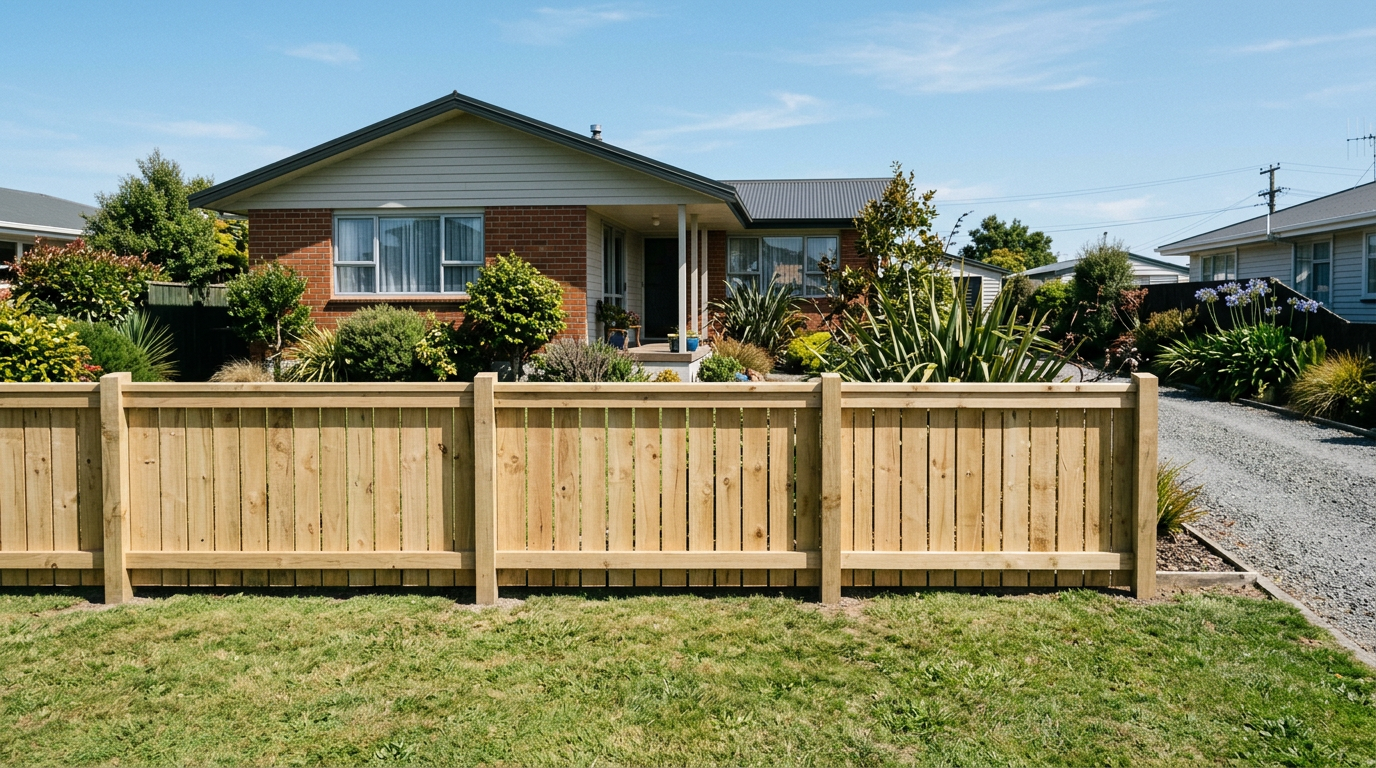
Fencing is not a licensed or restricted trade in New Zealand, meaning there is no legal requirement for a fencer to hold a specific qualification or registration before they can work. However, that doesn't mean qualifications and experience don't matter — they absolutely do, especially for boundary fences, retaining structures, and rural fencing projects.
No Mandatory Licensing — But Industry Qualifications Exist
Unlike electrical or plumbing work, fencing is not regulated under a licensing body such as the Electrical Workers Registration Board or the Plumbers, Gasfitters and Drainlayers Board. Any person can legally offer fencing services in New Zealand without holding a formal certificate.
That said, there are recognised industry pathways. The New Zealand Certificate in Fencing (Level 3) is a vocational qualification available through providers like Competenz. This qualification covers rural and urban fencing techniques, post driving, wire tensioning, and timber selection — giving tradespeople a solid, nationally recognised foundation. Asking whether a fencer has completed or is working towards this qualification is a reasonable and sensible question.
What About Building Consents and the NZ Building Code?
While the fencer themselves may not need a licence, the fence or structure they build might require a building consent, depending on its height and type. Under the NZ Building Code, certain fences and walls are exempt from consent under Schedule 1 of the Building Act 2004 — but this has limits.
As a general guide (always confirm with your local council):
- Fences up to 2.5 metres in height are typically exempt from building consent under Schedule 1.
- Retaining walls that retain more than 1.5 metres of ground, or that are near boundaries or affect neighbouring properties, may require consent.
- Pool fencing must comply with the **relevant pool fencing legislation and NZ Building Code clauses, and inspections are required regardless of who builds it.
If your project is near a boundary, involves a retaining element, or is unusually tall, check with your local council before work begins. A good fencer will flag these issues for you.
Key Things to Look for When Hiring a Fencer
Because fencing is unregulated, doing a little homework before hiring is important. Here's what to consider:
| What to Check | Why It Matters |
|---|---|
| Experience and portfolio | Fencing techniques vary widely — ask to see past work |
| Industry qualification (Level 3 Certificate) | Shows formal training and trade knowledge |
| Public liability insurance | Protects you if something goes wrong on your property |
| Written quote | Locks in scope, materials, and price before work starts |
| References or reviews | Gives you confidence in their reliability and quality |
| Knowledge of local council rules | Especially for boundary, pool, or retaining fences |
Rural vs Urban Fencing — Does It Make a Difference?
Rural fencing (post-and-wire, electric fencing, deer fencing, stock yards) and urban fencing (timber paling, Colorbond, aluminium slat) are quite different disciplines. A fencer who specialises in rural work may not have the same finish skills as one who focuses on residential timber fencing, and vice versa. When getting quotes, make sure the fencer has relevant experience for your specific job type.
For electric fencing, there are additional considerations around safe installation and compliance with the Electricity (Safety) Regulations. While connecting low-voltage electric fence energisers is generally not restricted electrical work, it's worth confirming with WorkSafe NZ or an electrician if you're unsure about your specific setup.
Neighbour and Boundary Fence Rules
Boundary fencing between neighbours is governed by the Fencing Act 1978. This sets out how costs are shared, what notice must be given, and how disputes are resolved. A professional fencer should be familiar with these obligations, but the legal responsibility for following the process sits with the property owners, not the fencer. Tenancy Services has useful guidance on fencing obligations for rental properties.
When to Call a Professional
Even though fencing is unregulated, there are situations where hiring an experienced, qualified fencer is strongly recommended:
- **Pool fencing — non-compliant pool fencing can result in fines and, more importantly, serious safety risks to children.
- Retaining fences — structures that retain soil can fail if not built correctly, causing property damage or injury.
- Boundary disputes — a professional fencer can help ensure the fence is placed correctly and documented.
- Large rural projects — proper tensioning, post spacing, and materials selection are critical for stock containment.
You can find qualified, experienced local fencers on tradedirectory.co.nz — always ask for references and a written quote before committing.





