Whether a building needs sprinklers, smoke detection, or both depends on the type of building, how it's used, and what the New Zealand Building Code requires. In many commercial and multi-unit buildings, both systems are required — and for good reason, because they do very different jobs. Here's a plain-English guide to help you understand what applies to your situation.
What's the Difference Between Sprinklers and Smoke Detection?
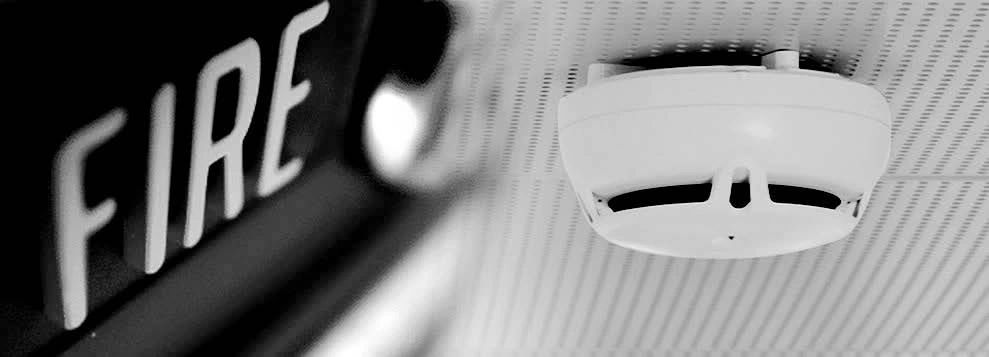
Smoke detection systems are designed to detect the early signs of fire — usually smoke or heat — and raise an alarm so occupants can evacuate safely. They warn people.
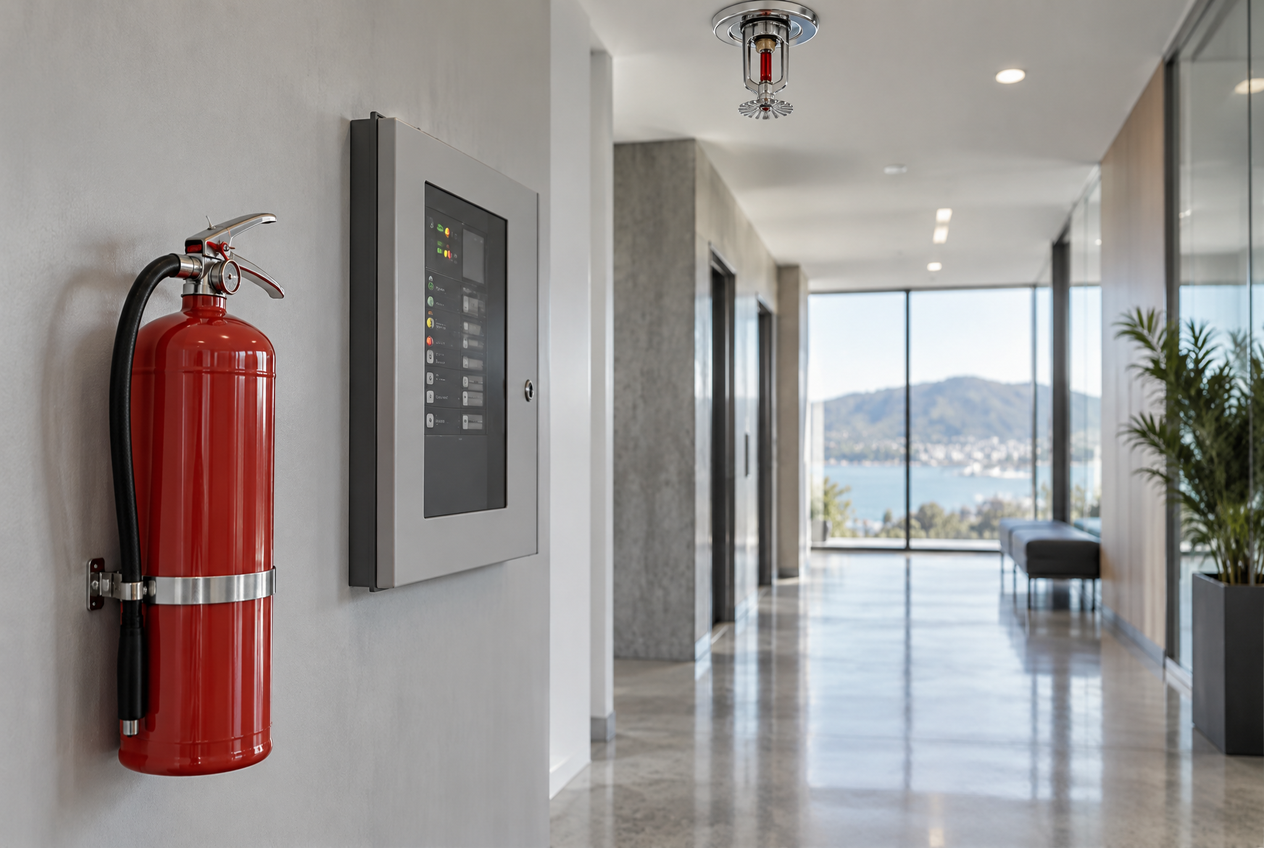
Automatic fire sprinkler systems are designed to suppress or control a fire by releasing water directly over the source of heat. They fight the fire.
Because these systems do fundamentally different things, one does not replace the other. A sprinkler system won't necessarily alert you to evacuate in time, and a smoke alarm won't stop a fire from spreading.
What Does the NZ Building Code Require?
The NZ Building Code sets out the minimum requirements for fire safety in buildings. Clause C of the Building Code covers protection from fire, and it's the key reference point for fire system requirements.
Whether a building needs sprinklers, smoke detection, or both is determined by factors including:
- Building use (residential, commercial, industrial, aged care, etc.)
- Building height and size
- Number of occupants
- Means of escape available to occupants
- Risk profile of the activities carried out inside
For most commercial buildings, schools, hospitals, and multi-storey or multi-unit residential buildings, both systems are typically required. Your local council (territorial authority) administers building consents and can confirm what applies to your specific building. Always check with your council before assuming either system is optional.
Residential Homes: Smoke Alarms Are the Baseline
For standalone private homes, smoke alarms are the primary requirement. Automatic sprinkler systems are not generally required in standard single-dwelling homes under the Building Code, though they may be specified in some higher-risk or complex designs.
For rental properties, the Residential Tenancies Act sets clear rules: landlords must install working smoke alarms. Tenancy Services outlines the current requirements, which include:
- Long-life photoelectric smoke alarms (or hard-wired alarms) in most cases
- Alarms positioned within 3 metres of each bedroom door
- Alarms in every level of the home
Fire and Emergency New Zealand (FENZ) recommends photoelectric smoke alarms for all homes, not just rentals, as they are better at detecting slow, smouldering fires — the type most common in residential settings.
Commercial and Public Buildings: Often Both Are Required
In commercial, industrial, and public buildings, the requirements are more complex. Many of these buildings have specified systems listed on a compliance schedule — a formal document that identifies which fire and safety systems must be regularly inspected and maintained.
Common specified systems include:
| System | Primary Purpose |
|---|---|
| Automatic fire sprinklers | Suppress or control fire |
| Automatic fire alarm/detection | Detect fire and alert occupants |
| Emergency lighting | Illuminate escape routes |
| Fire doors and smoke control | Contain fire and smoke |
| Means of escape signage | Guide occupants to exits |
Buildings with specified systems require an annual Building Warrant of Fitness (BWOF), which the building owner supplies to the council. This confirms the systems have been inspected, maintained, and are performing as required. Inspections must be carried out by a suitably qualified person — typically an Independent Qualified Person (IQP) registered with the local council — who signs off the relevant certificates. Building owners cannot sign off their own specified systems.
Relevant NZ Standards
Fire protection systems in New Zealand must be designed, installed, and maintained in accordance with the relevant NZ Standards. Key standards include:
- NZS 4512 — Fire detection and alarm systems
- NZS 4541 — Automatic fire sprinkler systems
- NZS 4503 — Hand-operated firefighting equipment
For specific requirements, clause numbers, and service intervals, always confirm with a licensed fire protection specialist or check with Standards NZ. Requirements can vary depending on the system type and building.
Can One System Substitute for the Other?
Generally, no — and you should never assume one system removes the need for the other without getting professional advice. In some specific design scenarios, an engineer may use an alternative solution under the Building Code (rather than following the Acceptable Solution directly), which could affect what combination of systems is required. This must be documented, consented, and approved by the council.
If you're unsure what your building needs, speak to a Licensed Building Practitioner or a qualified fire protection specialist before making any changes.
When to Call a Professional
Fire protection work is specialist work. You should engage a qualified fire protection specialist if you are:
- Building or renovating and need to know what fire systems are required
- Managing a commercial building and need to maintain your compliance schedule and BWOF
- Installing or upgrading a sprinkler or fire alarm system (this must be done by a qualified installer to the relevant NZ Standard)
- Buying or leasing a commercial property and need to understand existing fire system obligations
- Unsure whether your smoke alarms comply with current rental or building requirements
Fire doors must never be wedged or propped open, and escape routes must always be kept clear — these are legal requirements, not just good practice.
You can find qualified fire protection specialists and other trade professionals in your area at tradedirectory.co.nz.