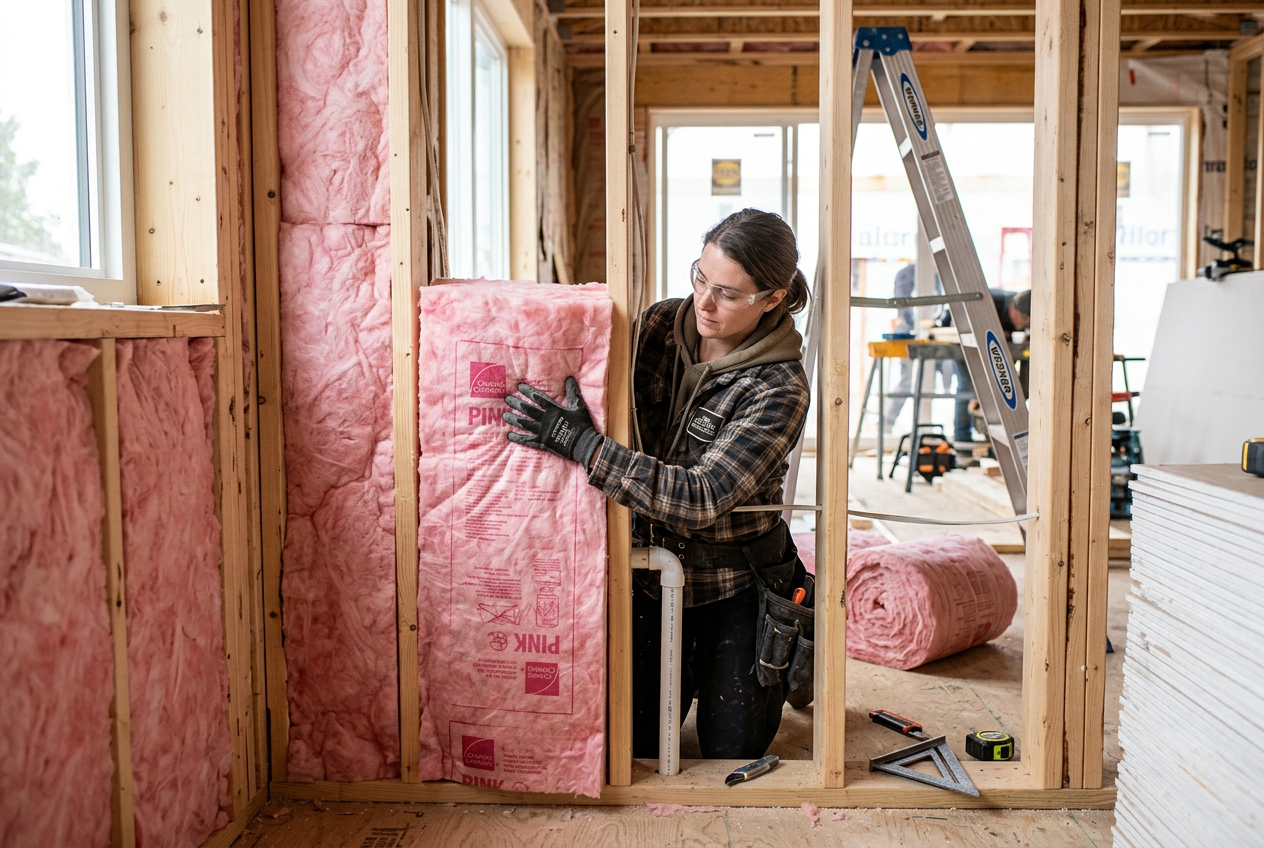
Insulation installation in New Zealand is not a licensed or restricted trade in the same way that electrical or plumbing work is — meaning there is no single mandatory qualification required by law before someone can install insulation. However, that doesn't mean qualifications and standards are unimportant. There are industry training programmes, NZ Building Code requirements, and Healthy Homes Standards that all influence how insulation work should be carried out.
Is Insulation Installation a Restricted Trade in NZ?
Unlike electrical work (regulated by the Electrical Workers Registration Board) or plumbing and gasfitting (regulated by the Plumbers, Gasfitters and Drainlayers Board), insulation installation has no equivalent licensing body in New Zealand. A homeowner can legally install their own insulation, and companies can employ staff without a mandatory trade certificate.
That said, certain situations do require licensed tradespeople. For example, if insulation work involves working near electrical wiring in a ceiling or wall cavity, or if it's part of a larger building project requiring consent, other licensed trades may need to be involved. Always check with your local council if you're unsure whether a building consent is required — some insulation upgrades may fall under Schedule 1 exemptions, but this varies by project scope.
Industry Training and Qualifications
While not legally mandatory, there are recognised training pathways for insulation installers in NZ:
- New Zealand Certificate in Insulation (Level 3) — offered through industry training organisations, this qualification covers safe installation practices, product knowledge, and compliance with NZ standards.
- On-the-job training — many installers learn through supervised work experience, particularly with established insulation companies.
- Manufacturer training — suppliers of specific products (such as glasswool batts, polyester, or blown-in cellulose) often provide product-specific installation training.
When hiring an insulation installer, it's worth asking whether they hold a formal qualification or have completed recognised training, even if it isn't legally required.
NZ Building Code and Standards
Even without a licensing requirement, insulation work must comply with the NZ Building Code, particularly Clause H1 (Energy Efficiency). H1 sets minimum thermal performance requirements for new builds and significant alterations, specifying R-values (a measure of thermal resistance) for ceilings, walls, underfloor, and glazing depending on your climate zone.
NZ has six climate zones, and the required R-values differ between, say, Northland and Central Otago. A competent installer should be familiar with the zone that applies to your property and install insulation that meets or exceeds the minimum requirements.
BRANZ (the Building Research Association of New Zealand) publishes guidance on insulation best practice and is a useful reference for both homeowners and tradespeople.
Healthy Homes Standards for Rental Properties
If you're a landlord, insulation requirements are also governed by the Healthy Homes Standards. These set specific minimum R-values for ceiling and underfloor insulation in rental properties. Compliance is mandatory, and Tenancy Services provides detailed guidance on what's required and by when.
For rental properties, using a professional installer who understands the Healthy Homes Standards — and can provide documentation of compliance — is strongly recommended.
What to Look for When Hiring an Insulation Installer
Because there's no single licensing body to check, homeowners should do a bit more due diligence. Here's a useful checklist:
| What to Check | Why It Matters |
|---|---|
| Formal qualification or training | Shows commitment to best practice |
| Experience with your insulation type | Batts, blown-in, and rigid board all differ |
| Knowledge of H1 and Healthy Homes | Ensures code compliance |
| Public liability insurance | Protects you if something goes wrong |
| References or reviews | Evidence of quality workmanship |
| Written quote and product specs | Confirms R-values and materials used |
Always ask for the R-value of the product being installed and confirm it meets the requirements for your climate zone and building type.
DIY Insulation: What Homeowners Can Do
Homeowners can legally install their own insulation — for example, laying batt insulation in a ceiling space or under the floor. However, there are important safety considerations:
- Never work near live electrical wiring without having a licensed electrician isolate the circuit first.
- Wear appropriate PPE: a dust mask (P2 rated), safety glasses, gloves, and long sleeves when handling glasswool or mineral wool products.
- Ensure adequate ventilation in confined spaces.
- Check with your council if the work is part of a larger project that may require consent.
Products are widely available from retailers such as Bunnings and Mitre 10, but for larger jobs or rental compliance, professional installation is usually the safer and more reliable choice.
When to Call a Professional
You should hire a qualified insulation installer when:
- You need to comply with Healthy Homes Standards for a rental property.
- The project involves new build or significant alteration work under the NZ Building Code.
- You're installing blown-in or spray foam insulation, which requires specialist equipment.
- The ceiling or wall cavity has existing wiring or moisture issues that need assessment.
- You want documented proof of R-values and compliance for insurance or resale purposes.
You can find experienced local insulation installers on tradedirectory.co.nz — look for installers who can demonstrate training, insurance, and familiarity with NZ Building Code requirements.