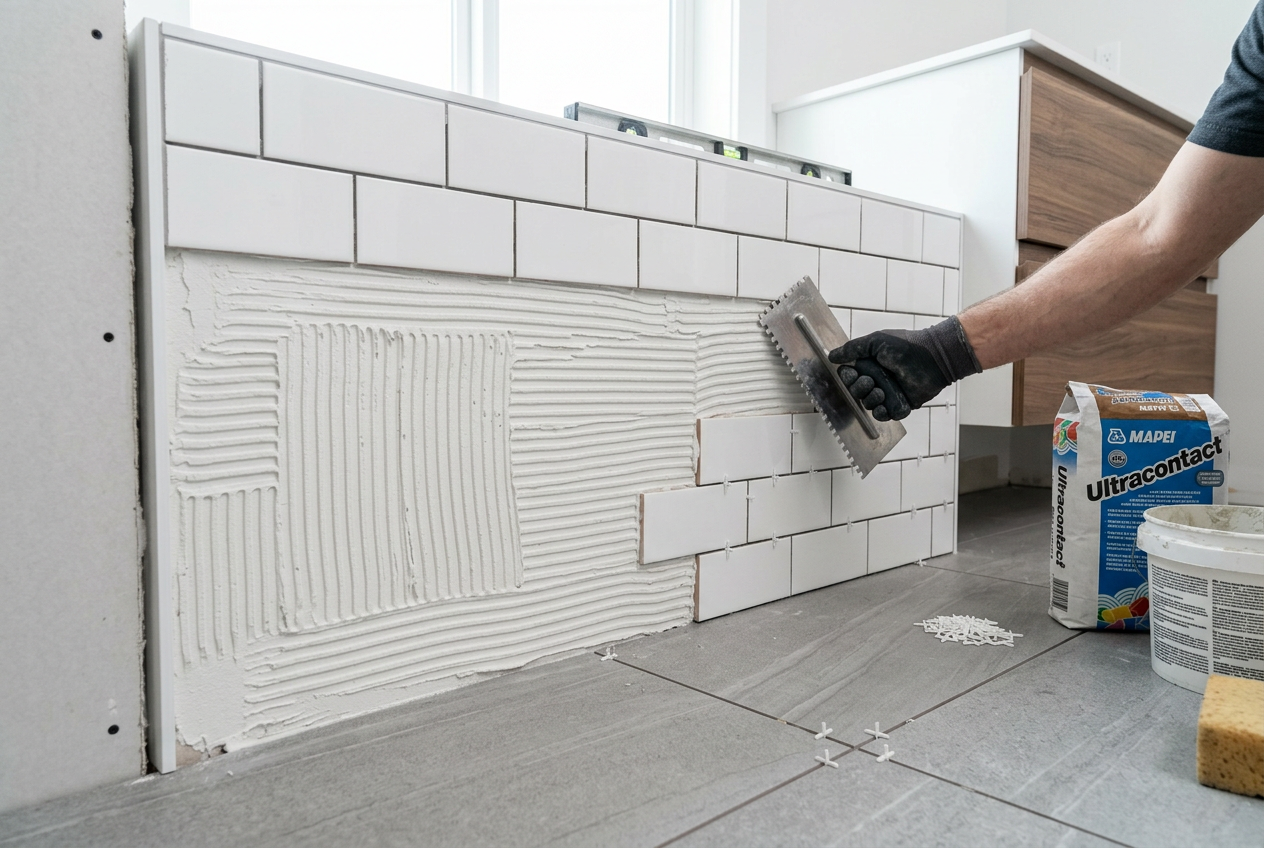
Tiling a kitchen is one of the most rewarding upgrades you can make to your home — it adds durability, style, and long-term value. Whether you're refreshing a splashback, laying new floor tiles, or doing a full kitchen renovation, understanding what drives the cost will help you plan your budget and get the best result for your money.
Average Costs for Kitchen Tiling in NZ
Most NZ homeowners spend between $2,000 and $20,000 on kitchen tiling, depending on the project size, materials chosen, and location. This wide range reflects the enormous variety of kitchen tiling projects — from a modest splashback refresh in a small apartment to a full floor and wall tile installation in a large open-plan kitchen.
As a general guide:
- Splashback only (small area): Towards the lower end of the range
- Full kitchen floor tiling: Mid-range, depending on floor area and tile choice
- Combined floor and wall tiling: Towards the upper end of the range
- Large kitchens with premium tiles and complex patterns: Can reach or exceed the top of the range
Because costs vary so significantly, the most reliable way to budget is to get at least three written quotes from qualified local tilers. A quote should itemise labour, materials, surface preparation, adhesives, grout, and any waste disposal.
Factors That Affect the Cost
Understanding what drives pricing helps you make smarter decisions and have more productive conversations with tradespeople.
Size and Scope of the Project
The total area to be tiled is the single biggest cost driver. More square metres means more tiles, more adhesive, more grout, and more labour hours. Complex layouts — L-shaped kitchens, islands, or areas with lots of cut-outs around cabinetry — take longer and generate more tile waste.
Quality of Materials Chosen
Tile prices in NZ vary enormously. Basic ceramic tiles are the most affordable option, while porcelain, natural stone, and designer or imported tiles sit at the premium end. Don't forget to budget for:
- Tile adhesive (standard or flexible, depending on substrate)
- Grout (sanded or unsanded, standard or epoxy)
- Waterproofing membrane (required in wet areas under the NZ Building Code)
- Tile trim and edging strips
- Sealer (especially for natural stone or unglazed tiles)
You can browse tile and adhesive options from suppliers such as Bunnings and Mitre 10, or through specialist tile retailers. For adhesive and waterproofing systems, Ardex, Mapei, and Sika are well-regarded NZ trade brands.
Your Location
Labour rates differ across New Zealand. Auckland, Wellington, and Queenstown typically have higher hourly rates than regional centres. Rural locations may also attract a travel surcharge. Urban vs rural access can meaningfully shift your final quote.
Condition of Existing Structures
If the existing substrate (wall lining or floor) is damaged, uneven, or not suitable for tiling, it will need to be repaired or replaced before tiles go down. Removing old tiles, fixing water damage, or installing new GIB or cement board adds both time and cost. Always factor in surface preparation when comparing quotes.
Access Difficulty and Site Preparation
Kitchens with tight access, lots of cabinetry, or awkward angles take longer to tile. Preparation work — cleaning, priming, levelling, and waterproofing — is essential for a lasting result and should never be skipped to save money.
Pattern and Tile Size
Herringbone, chevron, or mosaic patterns require more cuts and more labour time than a straightforward grid layout. Very large-format tiles (600mm×600mm or bigger) require a flatter substrate and more careful handling, which can also add to labour costs.
NZ Building Code and Consent Considerations
For most kitchen splashback and floor tiling work, building consent is not required — it typically falls under Schedule 1 exempt work. However, there are important exceptions:
- If tiling is part of a larger kitchen renovation involving structural changes, new plumbing, or electrical work, consent may be required.
- Waterproofing in wet areas must comply with NZ Building Code clause E3 (Internal Moisture). A properly installed waterproofing membrane behind tiles in splash zones is a code requirement, not optional.
- If you're unsure whether your project needs consent, always check with your local council before work begins. Requirements can vary between territorial authorities.
For authoritative guidance on the Building Code, visit MBIE Building Performance.
DIY vs Hiring a Professional Tiler
Tiling a kitchen splashback is one of the more achievable DIY tasks for a capable homeowner — provided the area is small, the layout is straightforward, and the substrate is sound. However, there are good reasons to hire a professional:
- Quality and longevity: Poor adhesion, incorrect grout joints, or inadequate waterproofing can lead to tiles cracking or lifting within a few years.
- Waterproofing compliance: Getting the waterproofing right is critical and must meet the Building Code.
- Warranty: Many tile and adhesive manufacturers require professional installation for their product warranties to be valid.
- Time: An experienced tiler works significantly faster than a first-timer.
For floor tiling, large areas, or any work involving wet zones, hiring a qualified tiler is strongly recommended.
When to Call a Professional
You should always use a qualified, experienced tiler when:
- The area is large or involves complex patterns
- You are tiling over an existing floor with height or levelness issues
- The project involves waterproofing (wet areas, near the sink)
- Tiles are large-format, natural stone, or expensive — mistakes are costly
- The substrate needs repair or replacement
- The work is part of a broader renovation involving licensed trades (plumbing, electrical)
Note that plumbing and electrical work connected to a kitchen renovation is restricted work in New Zealand. Plumbing must be carried out by a licensed plumber registered with the Plumbers, Gasfitters and Drainlayers Board, and electrical work must be done by a registered electrician under the Electrical Workers Registration Board. Never attempt restricted work yourself — it is illegal and dangerous.
To find a qualified local tiler or other tradespeople, search tradedirectory.co.nz for professionals in your area.
How to Get the Best Value
- Get at least three written quotes and compare what is included — the cheapest quote is not always the best value.
- Choose quality materials that last longer — a slightly more expensive tile or adhesive system can save you money on repairs down the track.
- Bundle work together where possible — if you're also painting or doing other renovation work, combining trades can reduce mobilisation costs.
- Plan ahead — rushed jobs cost more. Give your tiler enough lead time to source materials and schedule properly.
- Ask about off-peak discounts — some tilers offer better rates during quieter periods.
- Be clear on your brief — changes mid-project are a common cause of cost blowouts.
- Check tile quantities carefully — always order 10–15% extra to account for cuts and future repairs.

 Site Safe
 SiteWise


 BCITO Qualified





