Plastering a room is one of those jobs that can transform a tired, damaged, or newly built space into something smooth and finished — but costs vary enormously depending on what you're actually doing. Whether you're patching earthquake cracks, skimming over GIB board, or applying a full solid plaster system to a new build, understanding what drives the price will help you budget confidently and get genuine value from your quotes. Most NZ homeowners spend somewhere between $2,000 and $20,000 on plastering work, with the wide range reflecting everything from a single small room to a whole-house project.
What Does Plastering a Room Actually Involve?
In New Zealand, "plastering" covers several distinct systems and finishes:
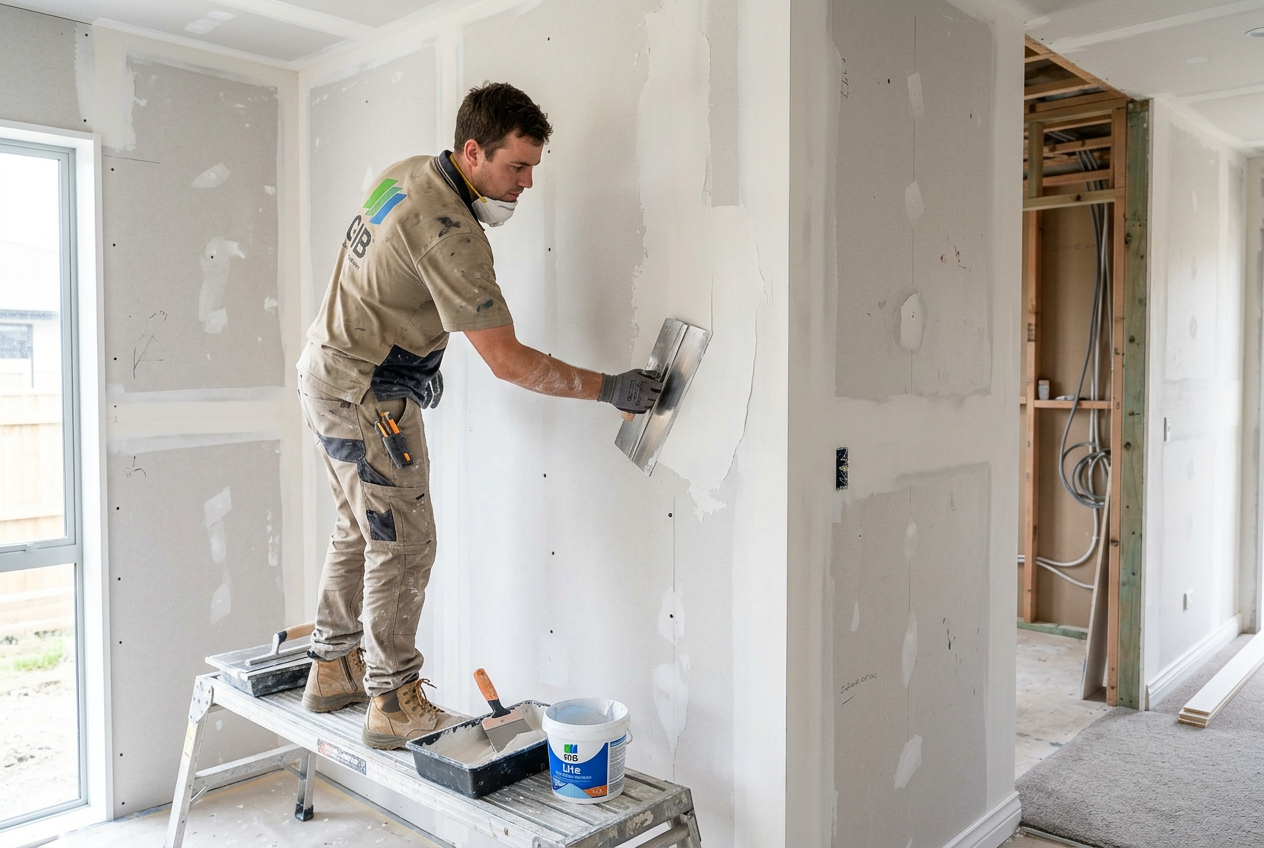
- Stopping and finishing GIB board — the most common interior approach, where plasterboard (GIB) is fixed to framing, and joints, screws, and imperfections are stopped (filled), sanded, and finished ready for paint.
- Skim coating — a thin finish coat applied over existing plaster or GIB to create a perfectly smooth surface.
- Solid plaster — a traditional two- or three-coat system applied over a substrate such as fibre cement or masonry, common in older homes and some contemporary designs.
- Texture coatings and decorative finishes — including roughcast, pebbledash, or fine texture finishes, often used on exterior walls.
- Repair and patching — filling cracks, holes, or damaged sections, which can range from a quick DIY fix to a full professional re-plaster.
Each system has different material costs, labour requirements, and drying times, so it's important to be clear with your plasterer about exactly what finish you're after.
What Affects the Cost of Plastering in NZ?
The $2,000 to $20,000 range exists because no two plastering jobs are the same. Here are the main factors that move the price:
Size and Scope of the Project
The bigger the area, the more materials and labour are required. A single bedroom will cost far less than plastering an entire house. Plasterers often price by the square metre, so knowing your wall and ceiling area before calling for quotes is helpful.
Quality of Materials Chosen
Higher-grade stopping compounds, fibreglass mesh tape, and premium finish coats cost more upfront but tend to produce a better, longer-lasting result. Brands like GIB offer a range of plasterboard products suited to different environments — for example, GIB Aqualine® for wet areas and GIB Fyreline® for fire-rated assemblies. Using the right product for the right application matters for both quality and compliance with the NZ Building Code.
Your Location
Labour rates differ across New Zealand. Auckland and Wellington typically have higher tradesperson rates than regional centres, and rural jobs may attract a travel surcharge. Coastal locations can also influence material choices — salt air accelerates corrosion and moisture damage, so your plasterer may recommend more durable systems.
Condition of Existing Structures
If walls or ceilings are in poor condition — cracked, damp, or uneven — more preparation work is needed before plastering can begin. Older homes with horsehair plaster or earthquake damage may require full removal and replacement, which adds significantly to the cost.
Access Difficulty and Site Preparation
High stud heights, awkward stairwells, or rooms that are difficult to scaffold all add time and cost. Protecting floors, furniture, and fittings before work begins is also part of the job — ask your plasterer what's included.
Whether Building Consent Is Needed
Most interior plastering and stopping work is exempt from building consent under Schedule 1 of the Building Act 2004, but there are exceptions — particularly if the work involves structural changes, wet area linings, or fire-rated assemblies. Always confirm with your local council before starting. You can find guidance at MBIE Building Performance.
The Plastering Process: What to Expect
- Assessment and quoting — A plasterer visits, assesses the substrate, scope, and finish required, then provides a written quote.
- Preparation — Existing surfaces are cleaned, damaged areas cut back, and any necessary priming or bonding agents applied.
- Fixing and boarding (new work) — GIB or other substrate is fixed to framing in accordance with manufacturer specifications and NZ Building Code requirements.
- First coat / base coat — Joints are taped and the first stopping coat is applied.
- Subsequent coats and sanding — Multiple coats are applied, with drying time between each. Final sanding produces a smooth finish.
- Inspection and touch-ups — The finished surface is checked under raking light and any imperfections corrected.
Drying time between coats is critical — rushing this stage leads to cracking and poor adhesion. Good plasterers won't cut corners here.
NZ Building Code Considerations
Plastering in wet areas (bathrooms, laundries, kitchens) must comply with NZ Building Code Clause E3 (Internal Moisture). This means using appropriate wet-area linings and waterproof membranes behind tiled surfaces. Exterior plaster systems must meet Clause E2 (External Moisture) requirements, which have been significantly tightened since the leaky building era. If you're doing exterior work, ensure your plasterer is familiar with current E2 requirements and uses a compliant system. BRANZ publishes detailed guidance on plaster systems and moisture management.
DIY vs Hiring a Professional
Small patch repairs — filling a nail hole or a hairline crack — are well within most homeowners' abilities using readily available products from Bunnings or Mitre 10. However, achieving a truly flat, paint-ready finish over large areas is a skilled trade. Poor stopping is brutally obvious once paint goes on, especially under raking light. For anything beyond minor repairs, hiring a qualified plasterer will save you time, frustration, and potentially the cost of redoing the work.
Plastering is not restricted work under NZ law (unlike electrical or plumbing), so there is no legal barrier to a homeowner doing their own plastering. That said, wet-area waterproofing systems and fire-rated assemblies must be installed correctly to comply with the Building Code — if in doubt, use a professional.
When to Call a Professional
Call a qualified plasterer when:
- You're plastering more than a small patch or single wall
- The job involves wet areas, fire-rated walls, or ceilings
- You're working on an exterior plaster system
- The existing plaster is cracked due to structural movement (get a structural assessment first)
- You want a high-quality finish that will look great under paint
- The project may require building consent
A good plasterer will also spot underlying issues — moisture ingress, framing problems, or substrate failures — that you might miss. You can find qualified local plasterers on tradedirectory.co.nz.
Getting Quotes and Saving Money
Always get at least three written quotes from qualified plasterers. When comparing quotes, look beyond the bottom line:
- What materials and brands are specified?
- How many coats are included?
- Is preparation and clean-up included?
- What is the payment schedule?
- Does the plasterer offer a workmanship warranty?
The cheapest quote is not always the best value — a low price can mean fewer coats, cheaper materials, or a plasterer who cuts corners on drying time.
Practical ways to save money:
- Get multiple quotes and compare value, not just price
- Choose quality materials that last longer — a better finish coat means less maintenance
- Bundle work together where possible — plastering multiple rooms in one visit reduces mobilisation costs
- Plan ahead — rushed jobs cost more, and good plasterers are often booked weeks in advance
- Ask about off-peak discounts — some tradespeople offer better rates during quieter periods
- Clear the room yourself before the plasterer arrives to save on preparation time
Sources & Further Reading
- GIB — Plasterboard systems and technical information
- BRANZ — Building research and plaster system guidance
- MBIE Building Performance — Building consent and NZ Building Code
- Licensed Building Practitioners — Find and verify LBPs
- Bunnings — Plastering materials and tools
- Mitre 10 — Plastering supplies

 Master Painters NZ member








