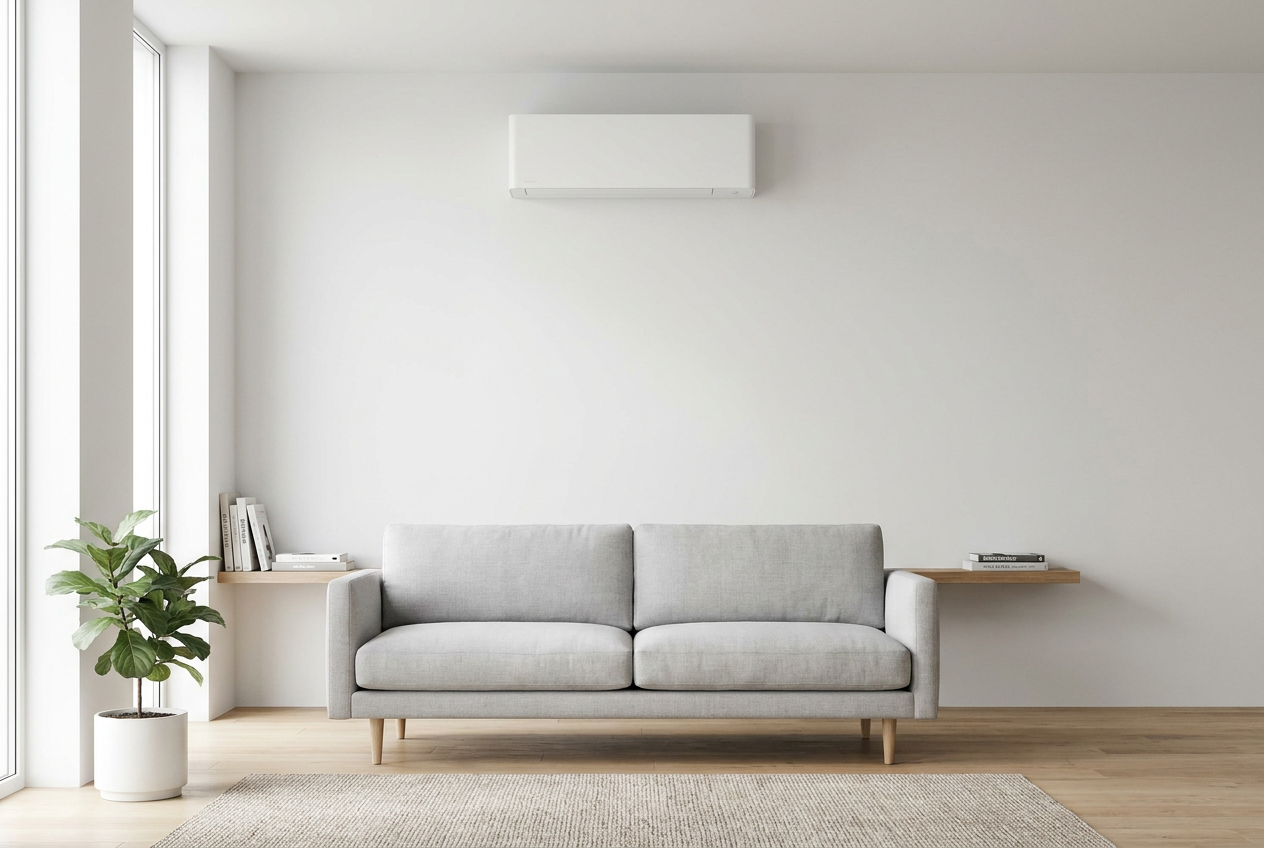
Installing a heat pump is one of the smartest investments a New Zealand homeowner can make — delivering efficient heating in winter and cooling in summer, while helping meet the Healthy Homes standards for rental properties. Costs vary significantly depending on the scope of work, your location, and the quality of materials, so understanding what drives the price will help you budget confidently and avoid nasty surprises.
Average Costs in New Zealand
As a general guide, most NZ homeowners spend between $2,000 and $20,000 on heat pump installation, depending on the project size. A straightforward single-room wall-mounted (split-system) unit sits toward the lower end of that range, while a whole-home ducted system or a multi-split installation covering several rooms will push toward the upper end. These figures typically include the unit itself, refrigerant pipework, electrical connections, and commissioning — but always confirm exactly what is covered in any quote you receive.
What Affects the Cost?
Several factors can move your final price up or down:
Type of System
- Single split system (one indoor unit, one outdoor unit) — the most common and affordable option for heating a single room or open-plan living area.
- Multi-split system — one outdoor unit connected to multiple indoor heads; ideal for heating several rooms without separate outdoor units for each.
- Ducted system — concealed in the ceiling cavity and distributes conditioned air throughout the whole home via ducts and grilles; the most expensive option but the most discreet.
- Floor console or ceiling cassette units — alternatives to the standard high-wall unit, often at a higher installed cost.
Size and Scope of the Project
A larger home or a system designed to heat multiple zones requires a higher-capacity unit and more pipework, cabling, and labour. An undersized heat pump will run constantly and wear out faster, so correct sizing (calculated using room volume, insulation levels, and local climate) is essential.
Quality of Materials and Brand
Premium brands with longer warranties and higher energy-efficiency ratings (look for a high star rating on the Energy Rating Label) cost more upfront but typically deliver lower running costs and greater durability — important in NZ's high-UV, coastal, or high-humidity environments.
Your Location
Urban vs rural, Auckland vs regional — labour rates and travel costs differ across the country. Installers in main centres face higher overheads, while rural jobs may attract a travel surcharge. Coastal locations may also require a marine-grade or corrosion-resistant outdoor unit, adding to the unit cost.
Condition of Existing Structures
If walls need chasing for pipework, the ceiling cavity is cramped, or the existing switchboard needs upgrading to handle the additional electrical load, expect additional costs. Older homes without adequate insulation may also need remediation before a heat pump performs efficiently.
Access Difficulty and Site Preparation
Two-storey homes, awkward outdoor unit placement, or restricted access for scaffolding or ladders all increase labour time and cost.
Whether Building Consent Is Needed
Most standard residential heat pump installations are exempt from building consent under Schedule 1 of the Building Act 2004, but this depends on the specifics of your project. Ducted systems that involve significant structural work, or installations in certain zones, may require consent. Always confirm with your local council before work begins — requirements vary by territorial authority.
The Installation Process: What to Expect
- Site assessment — A qualified installer visits to assess the room(s), measure heat loss, check the switchboard, and recommend the right unit size and placement.
- Quote and product selection — You receive a written quote detailing the unit, labour, materials, and any consent fees.
- Installation day — The indoor unit is wall-mounted, refrigerant lines are run through the wall to the outdoor unit, electrical connections are made, and the system is pressure-tested and commissioned.
- Handover — The installer explains operation, sets up the remote or Wi-Fi control, and provides warranty documentation.
A standard single-split installation typically takes half a day to a full day. Ducted or multi-split systems take longer.
Restricted Work and Licensing — What You Need to Know
Heat pump installation involves restricted electrical work under the Electricity Act 1992. The electrical connections — including wiring the indoor unit, outdoor unit, and any new circuit from the switchboard — must be carried out by a registered electrician and a Certificate of Compliance (CoC) issued. You can find registered electricians through the Electrical Workers Registration Board (EWRB).
The refrigerant handling (charging and recovering refrigerant) must also be performed by a technician holding the appropriate refrigerant handling licence — it is illegal in NZ to vent refrigerants to atmosphere.
As a homeowner, you cannot legally do these parts of the job yourself. What you can do is prepare the area, clear access, and ensure the outdoor unit location is agreed upon before the installer arrives.
For peace of mind, look for installers who are also Licensed Building Practitioners (LBP) if any structural work is involved, and always check that your tradesperson is appropriately licensed before work begins.
When to Call a Professional
Always use a qualified, licensed heat pump installer for the full installation. Beyond the legal requirement for electrical work, a professional will:
- Correctly size the unit for your space using heat-load calculations
- Ensure the installation complies with the NZ Building Code (particularly clauses H1 Energy Efficiency and E2 External Moisture for penetrations through the building envelope)
- Provide a manufacturer warranty that is often void if the unit is not installed by an authorised installer
- Issue the required electrical Certificate of Compliance
If your heat pump is underperforming, making unusual noises, or leaking refrigerant, call a licensed technician — do not attempt to service refrigerant systems yourself.
You can find qualified local heat pump installers on tradedirectory.co.nz to compare options in your area.
Tips for Saving Money and Getting the Best Value
- Get at least three written quotes from qualified heat pump installers and compare what is included — the cheapest is not always the best value.
- Choose quality materials that last longer — a higher-efficiency unit may cost more upfront but saves on power bills over its lifespan.
- Bundle work together where possible — if you are also upgrading insulation or the switchboard, combining trades can reduce call-out costs.
- Plan ahead — rushed jobs cost more; book during quieter periods (late summer/early autumn) when installers may have more availability.
- Ask about off-peak discounts — some installers offer reduced rates outside peak heating season.
- Check for subsidies — EECA's Energywise programme and some councils periodically offer subsidies or low-interest loans for efficient heating; check what is currently available in your region.
- Ensure your home is well insulated — a heat pump works far more efficiently in a well-insulated home, reducing the size (and cost) of unit you need.
A Simple Cost Comparison Table
| System Type | Typical Installed Cost Range | Best For |
|---|---|---|
| Single split (wall-mounted) | Lower end of $2,000–$20,000 range | Single room or open-plan living |
| Multi-split (2–4 heads) | Mid range | Multiple rooms, one outdoor unit |
| Ducted whole-home system | Upper end of $2,000–$20,000 range | Whole-home heating/cooling, discreet install |
Note: Exact costs depend on brand, capacity, site conditions, and location. Always obtain written quotes.



 ISO 9001






