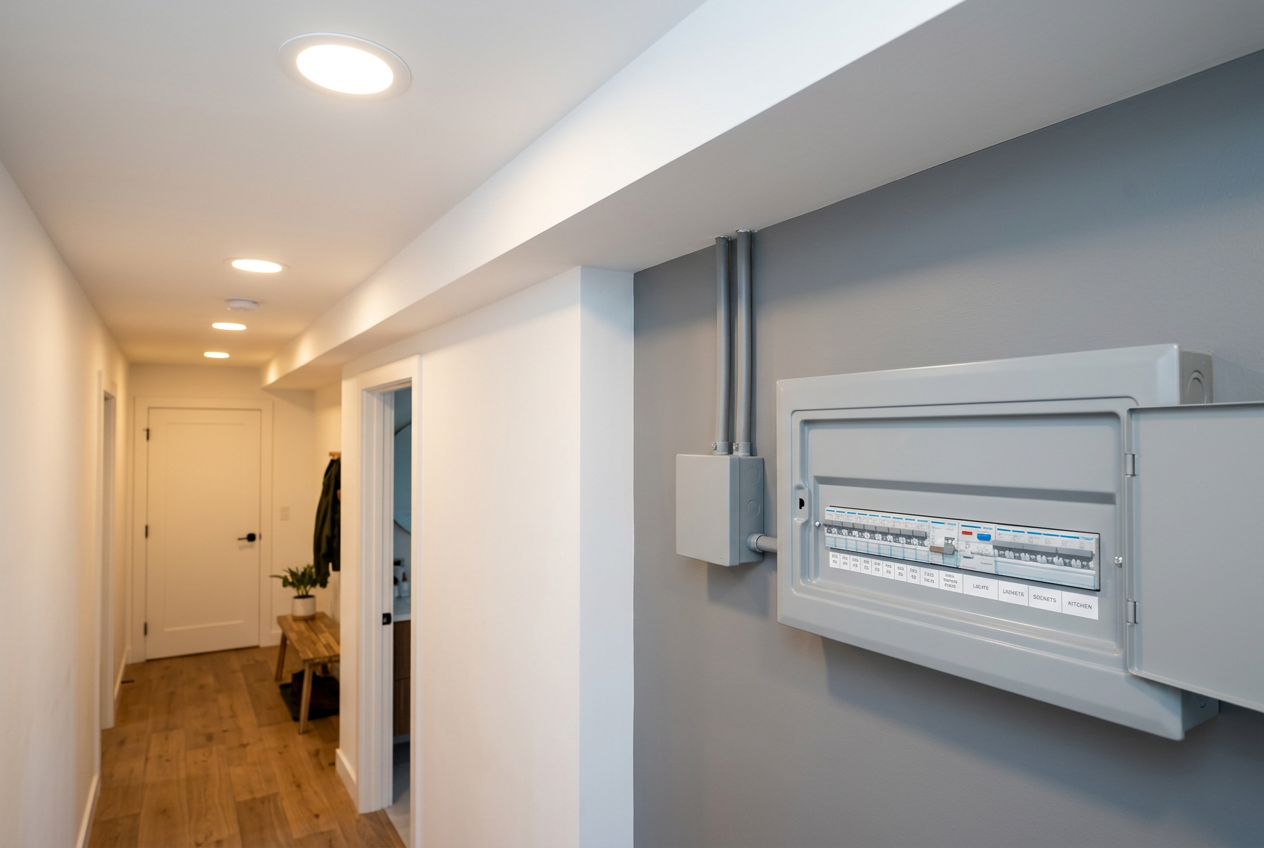
Electrical work is one of those jobs where getting it right matters enormously — both for safety and compliance with the NZ Building Code. Whether you're rewiring a room, installing a new switchboard, or adding power points, understanding what drives costs will help you plan your budget and choose the right professional for the job.
Average Electrician Costs in NZ
Costs vary significantly depending on the scope of work, your location, and the quality of materials. As a general guide, most NZ homeowners spend between $2,000 and $20,000 on this type of work, depending on the project size. Smaller jobs — like adding a power point or replacing a light fitting — will sit at the lower end, while full rewires, new builds, or major switchboard upgrades can push toward the top of that range or beyond.
Because electrical pricing is so project-specific, the most reliable way to understand your actual cost is to get at least three written quotes from qualified electricians and compare what each one includes. The cheapest quote is not always the best value.
What Affects the Cost of Electrical Work?
Several factors will influence what you pay:
- Size and scope of the project — A single circuit addition is very different from a full house rewire or a new build fit-out.
- Quality of materials chosen — Switchboards, cabling, fittings, and consumer units vary widely in quality and price. Investing in better materials often reduces long-term maintenance costs.
- Your location — Urban centres like Auckland, Wellington, and Christchurch tend to have more competitive pricing due to higher tradesperson density, but also higher overheads. Rural and remote areas often attract travel charges and may have fewer available electricians.
- Condition of existing structures — Older homes (particularly those built before the 1980s) may have outdated wiring such as aluminium wiring or older insulation types that complicate the job and add cost.
- Access difficulty and site preparation — Running cables through finished walls, under floors, or in tight roof spaces takes more time than working in an open frame.
- Whether building consent is needed — Some electrical work requires a building consent in addition to an electrical permit. This adds time and cost to the project.
Understanding NZ Electrical Regulations
Electrical work in New Zealand is restricted work — meaning it must be carried out by, or under the supervision of, a registered electrician licensed by the Electrical Workers Registration Board (EWRB). This is not optional; unlicensed electrical work is illegal and can void your home insurance, create serious safety hazards, and result in significant fines.
What homeowners can and cannot do
As a homeowner, you are legally permitted to carry out very limited electrical tasks — such as replacing a plug on an appliance — but anything involving fixed wiring, switchboards, new circuits, or connections to the mains must be done by a licensed electrician. When in doubt, always ask a professional.
All electrical work that is prescribed electrical work under the Electricity (Safety) Regulations 2010 must be inspected and a Certificate of Compliance (CoC) issued. Always ask your electrician for this document — it's your proof the work is safe and legal.
Building Code compliance
Electrical installations in NZ must comply with the NZ Building Code, particularly Clause G9 (Electricity) — noting that electrical installations are primarily governed by the Electricity (Safety) Regulations rather than the Building Code alone and relevant New Zealand Standards. For wet areas like bathrooms and kitchens, Clause E3 (Internal Moisture) also applies, and electricians must follow specific rules around moisture zones. Your electrician should be familiar with these requirements.
Building Consent — Do You Need One?
Not all electrical work requires a building consent, but some does — particularly work that involves structural changes, new buildings, or significant alterations. Schedule 1 of the Building Act lists exemptions, but these exemptions are interpreted differently by different councils. Always confirm with your local council before starting work. Your electrician can often advise you, but the council has the final say.
For rental properties, landlords must also ensure electrical installations comply with the Healthy Homes Standards. Note that electrical safety requirements for rentals are primarily governed by the Electricity (Safety) Regulations and the Residential Tenancies Act rather than the Healthy Homes Standards specifically.
The Step-by-Step Process
- Define your scope — Know what you want done before calling for quotes. The clearer your brief, the more accurate your quotes will be.
- Get at least three written quotes — Compare what is included: labour, materials, consent fees, and the Certificate of Compliance.
- Check credentials — Verify your electrician is registered on the EWRB register. Ask if they hold a current practising licence.
- Confirm consent requirements — Ask your electrician and check with your council.
- Schedule the work — Plan ahead; rushed jobs cost more and availability can be tight, especially in busy urban areas.
- Receive your CoC — Once work is complete, ensure you receive your Certificate of Compliance and keep it with your property records.
How to Get the Best Value
- Get multiple quotes and compare value, not just price — Look at what's included, the quality of materials specified, and the electrician's experience.
- Choose quality materials that last longer — Cutting corners on fittings or cabling can mean costly repairs down the track.
- Bundle work together where possible — If you have several electrical jobs, doing them in one visit saves on call-out fees and travel time.
- Plan ahead — rushed jobs cost more — Emergency or after-hours call-outs attract premium rates.
- Ask about off-peak discounts — Some electricians offer better rates during quieter periods.
- Be ready for the tradesperson — Clear access to switchboards, roof spaces, and work areas saves time and money.
When to Call a Professional
You should always call a licensed electrician for:
- Any work involving your switchboard or consumer unit
- Installing or modifying circuits or fixed wiring
- New power points, lighting circuits, or appliance connections
- EV charger installation — a fast-growing area requiring dedicated circuits
- Solar panel or battery storage connections to the grid
- Any electrical work in wet areas (bathrooms, laundries, kitchens)
- Fault-finding or any situation where you suspect an electrical fault
- Work on rental properties to meet Healthy Homes obligations
Safety note: Never attempt to work on your switchboard, mains wiring, or any fixed electrical installation yourself. Electrical faults are a leading cause of house fires in NZ, and electrocution can be fatal. Always use a licensed professional.
You can find qualified, local electricians in your area through tradedirectory.co.nz.
Sources & Further Reading
- Electrical Workers Registration Board (EWRB) — Verify your electrician's licence
- MBIE Building Performance — NZ Building Code and consent information
- WorkSafe NZ — Electrical safety guidance
- Tenancy Services — Healthy Homes Standards for rental properties
- BRANZ — Building research and best practice guidance
- Consumer NZ — Hiring a tradesperson tips

 Site Safe
 Licensed Electrical Inspector







