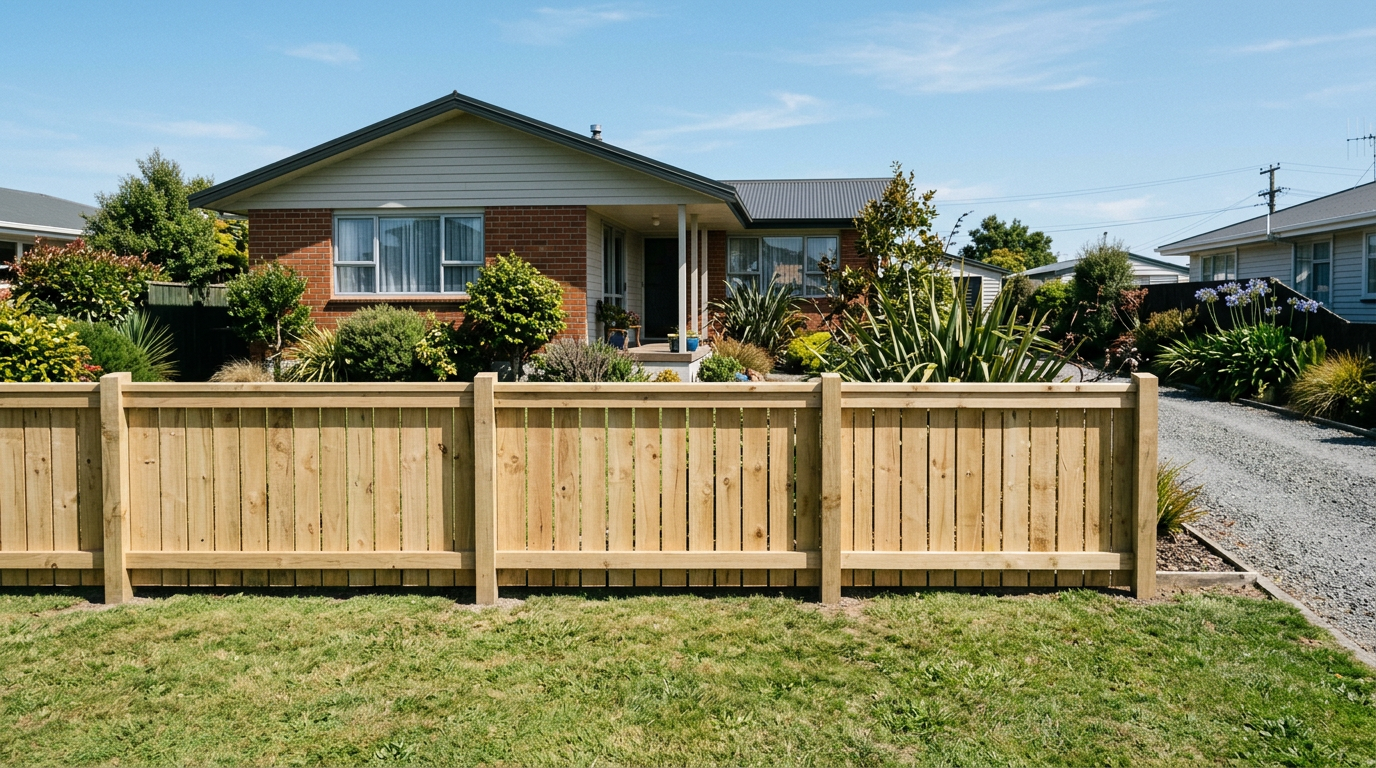
Building a fence is one of the most common home improvement projects in New Zealand, whether you're after privacy, security, stock control, or simply defining your boundary. Costs vary significantly depending on the scope of work, your location, and the quality of materials — so understanding what drives the price will help you plan your budget and get the best outcome.
Average Fence Building Costs in NZ
As a general guide, most NZ homeowners spend between $2,000 and $20,000 on fence building, depending on the project size. That's a wide range, and for good reason — a short picket fence along a suburban front garden sits at a very different price point to a 100-metre rural post-and-rail boundary or a tall acoustic fence beside a motorway.
Costs are typically quoted per lineal metre by fencing contractors. The per-metre rate will depend on the fence type, materials, and site conditions. Always get at least three written quotes from qualified fencers so you can compare what is actually included.
What Affects the Cost of a Fence?
Several key factors will push your quote up or down:
- Size and scope of the project — Total length, height, and number of gates all add to the cost. Longer runs can sometimes reduce the per-metre rate.
- Quality of materials chosen — Treated pine is the most affordable structural timber in NZ; hardwoods like kwila or vitex cost more but last longer in coastal or high-UV environments. Steel, aluminium, and Colorsteel options sit at the premium end.
- Your location — Labour rates in Auckland and Wellington tend to be higher than in regional centres. Rural sites may incur travel costs. Coastal locations require materials rated for salt air exposure.
- Condition of existing structures — Removing an old fence, pulling posts, and disposing of materials adds time and cost. Rocky or clay-heavy ground makes post installation harder.
- Access difficulty and site preparation required — Steep slopes, narrow side passages, or soft ground requiring concrete footings all affect the price.
- Whether building consent is needed — Consent applications add time and fees (see below).
Common Fence Types and What to Expect
Timber Paling or Picket Fences
The classic NZ suburban fence. H3.2 or H4 treated pine is the standard for ground contact and exposed conditions, as required for durability under the NZ Building Code's B2 Durability provisions. Hardwood options offer a premium look and longer lifespan, particularly in the wetter North Island or coastal areas.
Post-and-Rail Fences
Popular on lifestyle blocks and rural properties for stock control. Generally more affordable per metre than close-boarded fences due to less material, but long runs across uneven terrain can add complexity.
Coloured Steel or Aluminium Slat Fences
Low-maintenance and popular for contemporary homes. Aluminium won't rust, making it well suited to coastal NZ conditions. These tend to sit at the higher end of the cost range.
Concrete Panel Fences
Durable and low-maintenance, often used for boundary and noise attenuation. Heavier to install and typically more expensive, but very long-lasting.
Wire and Mesh Fences
Common for rural boundaries, dog runs, and security. Generally the most cost-effective option per metre for large areas.
Building Consent — Do You Need One?
In New Zealand, many residential fences are exempt from building consent under Schedule 1 of the Building Act 2004, provided they meet certain height and location criteria. As a general rule of thumb:
- Fences up to a certain height are often exempt from consent, though the threshold depends on location and other factors.
- Fences above that height, or those in special locations (e.g., near a boundary with a road), may require consent.
- Retaining walls combined with fences can trigger consent requirements at lower heights.
Important: Rules vary between councils and depend on your specific site. Always confirm with your local council before starting work. Visit MBIE Building Performance for national guidance on Schedule 1 exemptions.
Also note that the Fencing Act 1978 governs boundary fences shared with neighbours, including cost-sharing obligations. If your fence is on or near a shared boundary, talk to your neighbour early and consider getting legal advice if there's a dispute.
The Fencing Process — What to Expect
- Define your requirements — Height, style, purpose (privacy, security, stock), and approximate length.
- Check consent requirements — Contact your council or a Licensed Building Practitioner for advice.
- Get at least three written quotes — Compare what is included: materials, post depth, concrete, removal of old fence, gates, and finishing.
- Review material specifications — Ask about timber treatment levels, post sizes, and expected lifespan.
- Confirm the timeline — Good fencers are often booked weeks in advance, especially in summer.
- Site preparation — The contractor will mark out the line, dig or auger post holes, and set posts in concrete.
- Installation — Rails, palings, or panels are fixed; gates are hung and adjusted.
- Finishing — Timber fences may need a coat of stain or paint. Brands like Resene and Dulux offer exterior timber coatings suited to NZ conditions.
How to Get the Best Value
- Get multiple quotes and compare value, not just price — The cheapest quote may exclude removal of the old fence, concrete for posts, or a gate.
- Choose quality materials that last longer — Spending a little more upfront on H4-treated timber or powder-coated steel can save you money over the fence's lifetime.
- Bundle work together where possible — If you need fencing on multiple sides, doing it all at once is usually more cost-effective than separate jobs.
- Plan ahead — rushed jobs cost more — Book your fencer in advance, especially heading into spring and summer when demand peaks.
- Ask about off-peak discounts — Some contractors offer better rates during quieter winter months.
- Supply your own materials — Some fencers will quote labour-only if you source materials yourself from Bunnings, Mitre 10, or PlaceMakers, though confirm this suits your contractor first.
When to Call a Professional
While a confident DIYer can tackle a simple garden fence, there are good reasons to hire a qualified fencing contractor:
- Accuracy and longevity — Properly set posts in concrete, correctly spaced and plumb, are the foundation of a fence that lasts decades.
- Boundary disputes — A professional will help ensure the fence is on the correct legal boundary line.
- Consent and compliance — If consent is required, a Licensed Building Practitioner can carry out or supervise restricted building work.
- Difficult sites — Rocky ground, steep slopes, or retaining wall combinations are best left to experienced contractors.
- Large rural projects — Post driving, strainer posts, and wire tensioning on long rural runs requires specialist equipment and knowledge.
You can find qualified, local fencing professionals on tradedirectory.co.nz — always check references and ask to see examples of previous work before committing.





