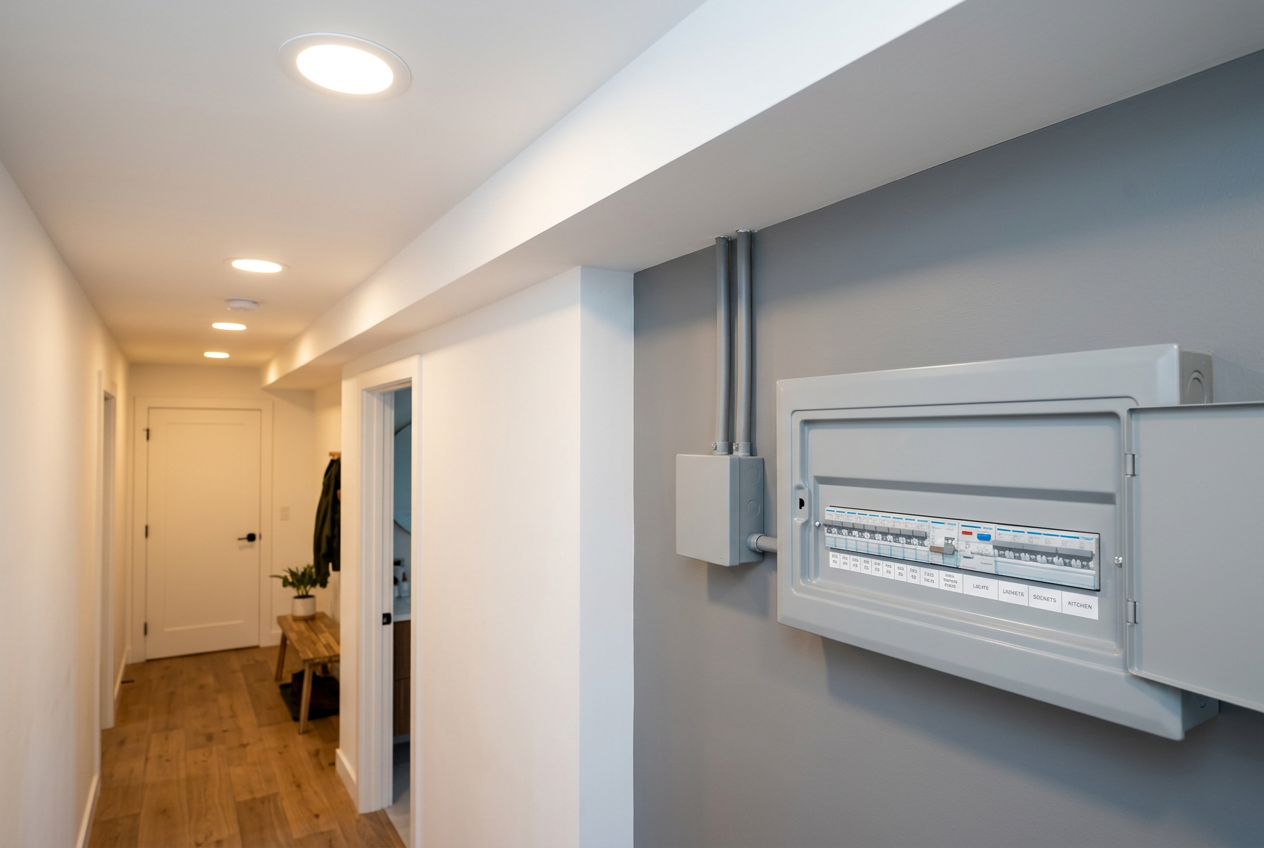
Installing a new light fitting above your laundry tub might seem like a straightforward weekend job, but in New Zealand the rules around electrical work are strict — and for good reason. The short answer is: no, you cannot legally wire up a new light fitting yourself unless you are a registered electrician. Here's what you need to know before you pick up a screwdriver.
What Is Restricted Electrical Work in NZ?
Under the Electricity Act 1992 and its regulations, most electrical wiring work in New Zealand is classified as restricted electrical work (REW). This means it must be carried out by — or under the direct supervision of — a person registered with the Electrical Workers Registration Board (EWRB).
Wiring a new light fitting involves connecting cables to the mains electrical system. This is REW, full stop. It doesn't matter how handy you are or how simple the job looks — doing this work yourself is illegal, and if something goes wrong (fire, electrocution, or damage to a neighbour's property), your home insurance could be void.
What About the Zone Around a Laundry Tub?
A laundry is classed as a wet area, which adds another layer of complexity. New Zealand follows AS/NZS 3000:2018 (the Wiring Rules), which defines safety zones around sinks, tubs, and other water sources. Light fittings installed near a laundry tub must have an appropriate IP (Ingress Protection) rating to be safe in a damp or splash-prone environment.
Your electrician will know exactly which zone your fitting falls into and which IP-rated fittings are compliant. Getting this wrong isn't just a code issue — water and electricity are a genuinely dangerous combination. WorkSafe NZ reports that electrical incidents in the home remain a leading cause of serious injury.
What Can a Homeowner Legally Do?
While the wiring itself is off-limits, there are a few things you can do as a homeowner:
- Choose and purchase the light fitting — pick something with a suitable IP rating for a wet area (look for IP44 or higher near a laundry tub). Retailers like Bunnings and Mitre 10 stock a range of bathroom and laundry-rated fittings.
- Remove an existing fitting — you may remove a light fitting from its bracket without touching any wiring, but you must not disconnect any wires.
- Paint or prepare the ceiling around the fitting location before the electrician arrives.
- Discuss the placement with your electrician before work begins to make sure the position suits you.
If you are simply replacing a like-for-like fitting (same type, same location, no new wiring), some homeowners assume this is fine to DIY. It is not — even swapping fittings involves disconnecting and reconnecting wires, which is REW.
Does This Work Need a Building Consent?
In most cases, installing a single light fitting does not require a building consent under Schedule 1 of the Building Act 2004. However, if the work involves altering the structure of the ceiling or is part of a larger renovation, consent may be needed. Always confirm with your local council if you are unsure — rules can vary. You can find general guidance at MBIE Building Performance.
What Happens After the Electrical Work Is Done?
Once a licensed electrician completes the wiring, they are legally required to issue you a Certificate of Compliance (CoC). This document confirms the work meets the requirements of AS/NZS 3000 and NZ regulations. Keep this certificate safe — you'll need it if you sell your home or make an insurance claim.
How Much Will It Cost?
As a rough guide, having a licensed electrician install a single light fitting typically costs somewhere in the range of varies depending on the electrician, region, and complexity of the job — get at least two quotes including labour and a call-out fee, though prices vary by region and complexity. Always get at least two quotes.
When to Call a Professional
For any wiring work — including installing, moving, or replacing a laundry light fitting — you must engage a registered electrician. Look for someone licensed with the EWRB. A good electrician will:
- Assess the wet-area zone requirements for your laundry
- Recommend a compliant, IP-rated fitting if you haven't already chosen one
- Complete the work safely and issue a Certificate of Compliance
You can find qualified, local electricians in your area right here on tradedirectory.co.nz. It's always worth checking reviews and confirming their EWRB registration before booking.

 Site Safe
 Licensed Electrical Inspector







