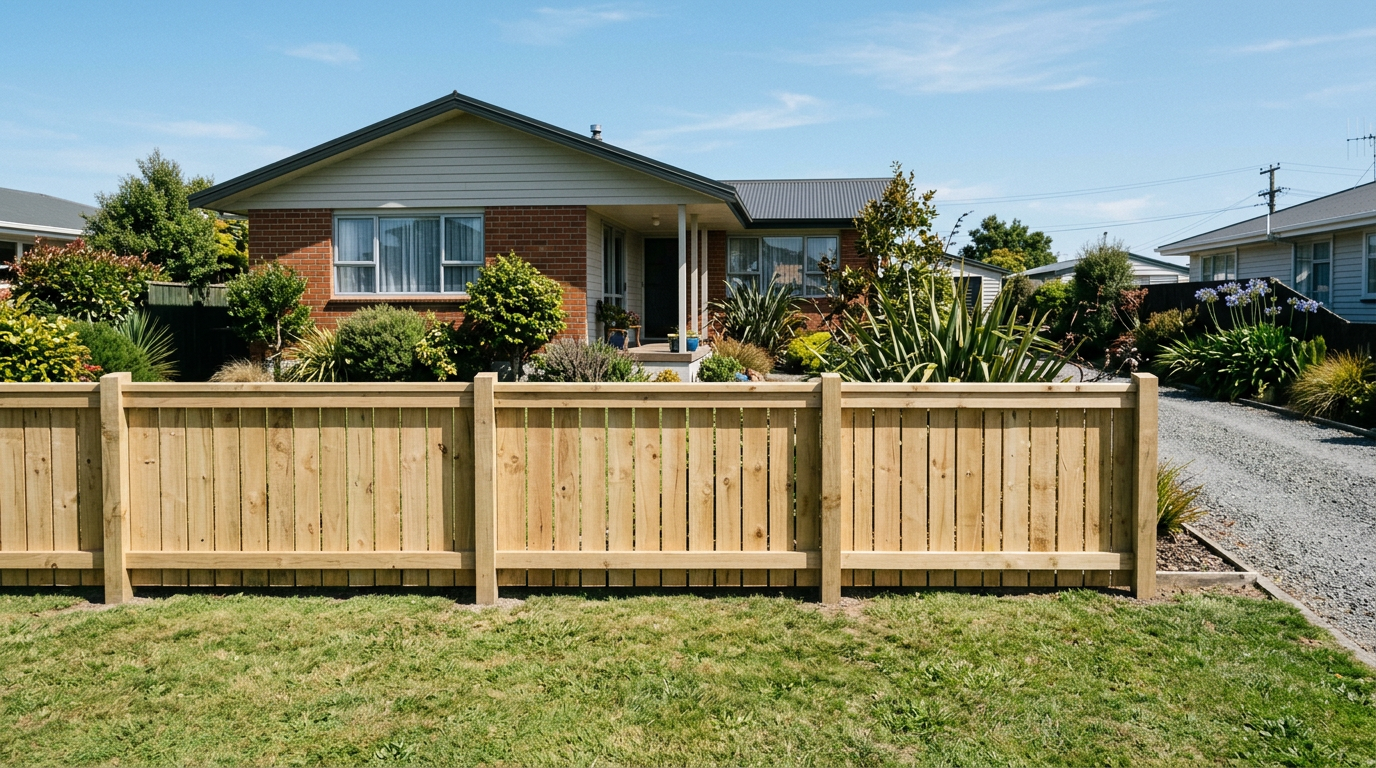
Yes, you can use recycled timber for a boundary fence in New Zealand — and it can be a cost-effective, sustainable choice. However, there are several practical and legal considerations to work through before you start, including timber condition, treatment requirements, fence height rules, and your obligations to your neighbour under the Fencing Act 1978.
What the Fencing Act 1978 Says
The Fencing Act 1978 governs boundary fences between neighbouring properties in NZ. It sets out each owner's right to a "adequate fence" and how costs are shared. The Act doesn't specify what materials must be used, but it does require that the fence be fit for purpose and agreed upon (or determined by a disputes process) between neighbours. If you want to use recycled timber, it's a good idea to discuss this with your neighbour first — especially if you're expecting them to share the cost. A fence built without agreement could lead to a dispute.
Is Recycled Timber Structurally Sound Enough?
The biggest practical concern with recycled timber is structural integrity. Timber from demolished buildings, old decks, or pallets can vary enormously in quality. Before using any recycled timber for fencing, check for:
- Rot or decay — probe with a screwdriver; soft spots mean the timber is compromised
- Borer damage — look for small round holes and fine powder (frass)
- Splits, warps, or excessive weathering — these reduce strength and lifespan
- Old fixings — nails, screws, and bolts left in timber can damage tools and weaken boards
- Hazardous coatings — older timber may have been painted with lead-based paint; check with WorkSafe NZ for safe handling guidance
Only use recycled timber that is genuinely sound. A fence built from compromised timber won't last and could become a hazard or an eyesore that causes neighbour disputes.
Timber Treatment: A Critical Consideration
In NZ, timber used in ground contact or exposed to the weather must meet certain hazard class (H) treatment levels under NZS 3640. This is especially important for fence posts, which sit in the ground and are exposed to moisture and soil organisms.
| Timber location | Minimum hazard class |
|---|---|
| Posts in ground contact | H4 or H5 |
| Rails and boards above ground | H3.1 or H3.2 |
Recycled timber from old buildings is often H1 or H2 treated (or untreated), which is not suitable for ground contact. Using under-treated timber in the ground will lead to rapid decay — sometimes within just a few years in NZ's damp conditions.
If you're unsure of the treatment level of your recycled timber, assume it's insufficient for ground contact and use it only for above-ground rails and boards. Buy new, correctly treated posts from a supplier like Bunnings, Mitre 10, or PlaceMakers.
Do You Need a Building Consent?
Most standard residential boundary fences in NZ are exempt from building consent under Schedule 1 of the Building Act 2004 — but this depends on height and location. As a general guide:
- Fences up to 2.5 metres in height are typically exempt
- Fences near a road boundary may have lower height limits under local district plan rules
- Fences near retaining walls or on unstable ground may require consent
Always check with your local council before building, as rules vary by district. Your council's planning or building department can confirm whether consent is needed for your specific situation. You can find general guidance at MBIE Building Performance.
Checking Local Council and District Plan Rules
Beyond building consent, your local district plan may set rules on fence height, appearance, and materials — particularly in heritage areas, near intersections (for sightline safety), or in special character zones. Some councils also have rules about the visual appearance of fences on road boundaries. Check with your council's planning team before committing to a design.
Tips for Using Recycled Timber Successfully
- Sort and grade your timber carefully — only use pieces that are genuinely sound
- Use new treated posts in the ground rather than recycled ones
- Apply a quality exterior timber stain or preservative to above-ground recycled timber to extend its life — products from Resene or Wattyl are widely available
- Pre-drill holes to avoid splitting older, drier timber
- Wear PPE when cutting or sanding recycled timber — dust from old treated timber can contain arsenic (CCA treatment) and should not be inhaled; check WorkSafe NZ for guidance
- Dispose of offcuts responsibly — old treated timber cannot go in a home fire or standard green waste; check with your local council for disposal options
When to Call a Professional
Fencing is generally DIY-friendly and does not involve restricted licensed work (unlike electrical or plumbing). However, it's worth calling a qualified fencer if:
- Your boundary line is unclear or disputed — a surveyor may be needed first
- The fence is on a slope, near a retaining wall, or on difficult ground
- You're unsure about the structural requirements for a tall or heavy fence
- You want a professional finish, especially on a road-facing boundary
- A neighbour dispute is involved and you want the job done to a clear standard
You can find experienced local fencers on tradedirectory.co.nz who can advise on materials, compliance, and cost-sharing with neighbours.





