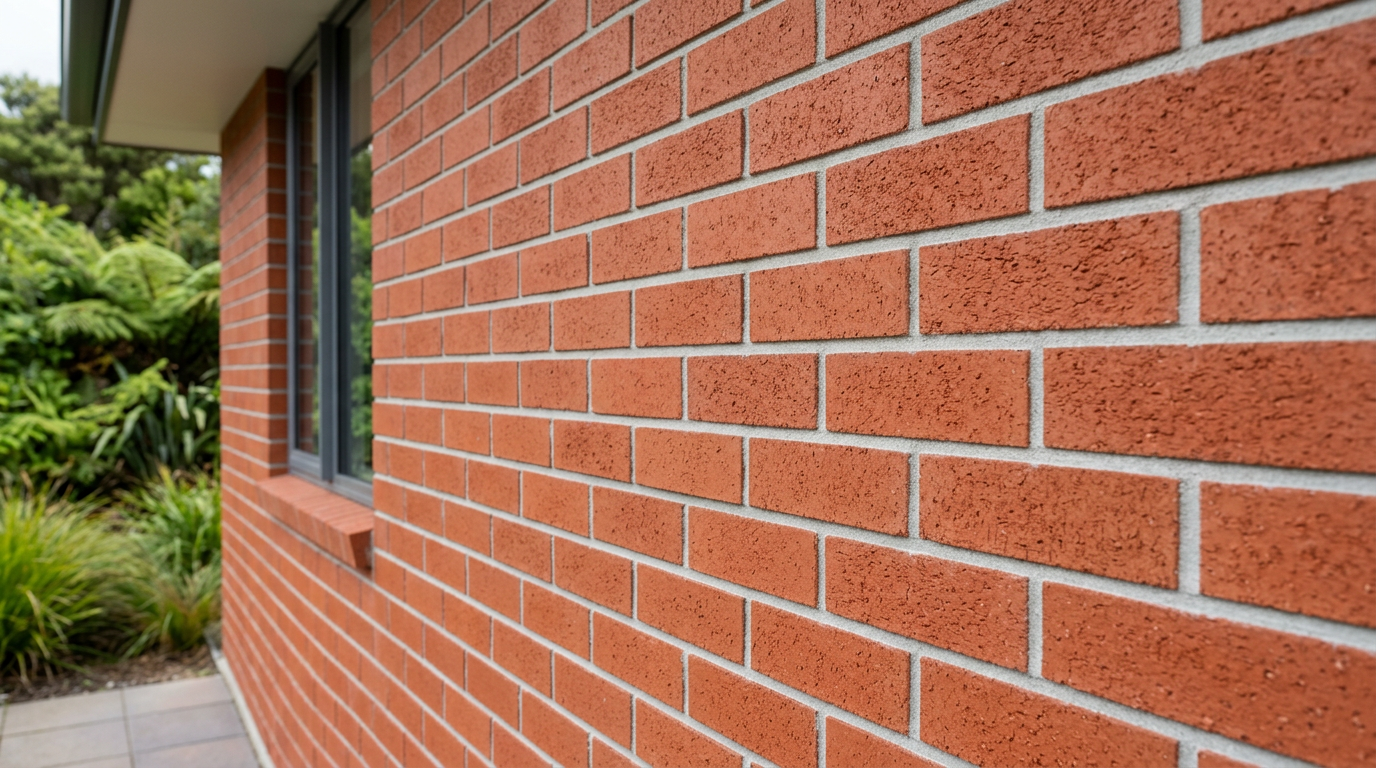
Yes, you can absolutely use recycled bricks for many garden projects in New Zealand — they're a popular, sustainable choice that adds character and warmth to outdoor spaces. However, not all recycled bricks are equal, and there are a few important factors to consider before you start laying, including brick condition, structural requirements, and whether your project needs a building consent.
Why Recycled Bricks Are a Great Choice
Recycled bricks are widely available across New Zealand from demolition salvage yards, online marketplaces, and sometimes even local councils clearing old infrastructure. Beyond their aesthetic appeal — that lovely weathered, handmade look — they're an environmentally friendly option that keeps usable materials out of landfill.
For garden projects like raised garden beds, garden edging, pathways, retaining walls, and decorative features, recycled bricks can work beautifully. They're often made from clay fired at high temperatures, which makes them naturally durable and weather-resistant.
What to Check Before Buying Recycled Bricks
Not every recycled brick is suitable for every job. Here's what to look for:
- Condition: Reject bricks with deep cracks, spalling (flaking faces), or crumbling edges. Minor surface chips are usually fine for garden use.
- Hardness: Tap the brick — a clear ring suggests it's sound; a dull thud can indicate internal cracking or softness.
- Mortar residue: Old mortar on the face is normal and can often be chipped off, but heavily contaminated bricks take more prep work.
- Consistency: Try to source bricks from the same demolition job so they're a consistent size and colour.
- Potential contaminants: Older bricks (pre-1980s) from industrial or commercial sites may have been exposed to hazardous materials. If in doubt, ask the salvage yard about the source. Check WorkSafe NZ for guidance on handling potentially contaminated materials.
- Quantity: Always buy 10–15% more than you think you need to allow for cuts and breakages.
Common Garden Projects Using Recycled Bricks
| Project | Recycled Bricks Suitable? | Notes |
|---|---|---|
| Garden edging | Yes | Easy DIY, no mortar needed |
| Pathways & paving | Yes | Lay on compacted sand base |
| Raised garden beds | Yes | Stack or mortar; keep below 600mm |
| Decorative garden walls | Usually | Check height for consent |
| Structural retaining walls | Caution | May need consent & engineer |
| BBQ or fire pit surrounds | Check | Use fire-rated bricks for firebox |
Do You Need a Building Consent?
This is one of the most important questions to ask before you start. In New Zealand, the NZ Building Code sets out what work requires a building consent from your local council.
Under Schedule 1 of the Building Act, some garden structures are exempt from consent — but the exemptions have specific limits. As a general guide:
- Freestanding garden walls up to 1 metre high on flat ground may be exempt, but this depends on your specific site, soil conditions, and council rules.
- Retaining walls retaining more than 1.5 metres of ground typically require consent, and may need input from a structural engineer.
- Any wall near a boundary or on a slope may have additional requirements.
Always confirm with your local council before starting — exemptions vary and getting it wrong can cause problems when you sell your property. You can find general guidance at MBIE Building Performance.
Preparing and Laying Recycled Bricks
For straightforward garden projects like pathways or edging, a competent DIYer can tackle the work themselves. Here are the key steps:
Base Preparation
- Excavate to the required depth (typically 100–150mm for a path).
- Compact the subbase well — poor compaction leads to sinking and uneven surfaces.
- Lay a 30–50mm bed of coarse sand or crusher dust and screed it level.
Laying the Bricks
- Lay bricks in your chosen pattern (herringbone and running bond are popular).
- Use a rubber mallet to bed each brick firmly and keep the surface even.
- Check regularly with a spirit level.
- For mortared work, use a suitable bricklaying mortar — your local Mitre 10 or Bunnings store can advise on appropriate premixed products.
Jointing and Finishing
- For dry-laid paths, brush fine sand or crusher dust into the joints.
- For mortared walls, tool the joints once the mortar is thumbprint-firm for a neat finish.
A Note on NZ's Climate
New Zealand's climate varies significantly — from the wet, mild conditions of the West Coast and Northland to the freeze-thaw cycles of Central Otago and the South Island high country. In areas with regular frost, make sure your recycled bricks are frost-resistant. Softer, older bricks can absorb water and crack when it freezes. Ask your supplier about the brick's origin and suitability for your region.
When to Call a Professional
While many garden brick projects are well within DIY reach, there are situations where you should bring in a qualified bricklayer:
- Retaining walls over 600mm high, or any retaining wall on a slope or near a boundary.
- Any project that requires a building consent.
- Structural garden walls or pillars.
- If you're unsure about the condition of your recycled bricks or the suitability of your site.
A professional bricklayer will also have access to trade suppliers and can help you source quality recycled bricks. You can find qualified local bricklayers on tradedirectory.co.nz.
For guidance on what work requires a Licensed Building Practitioner (LBP), visit LBP New Zealand.


 Licensed Building Practitioner (LBP)





