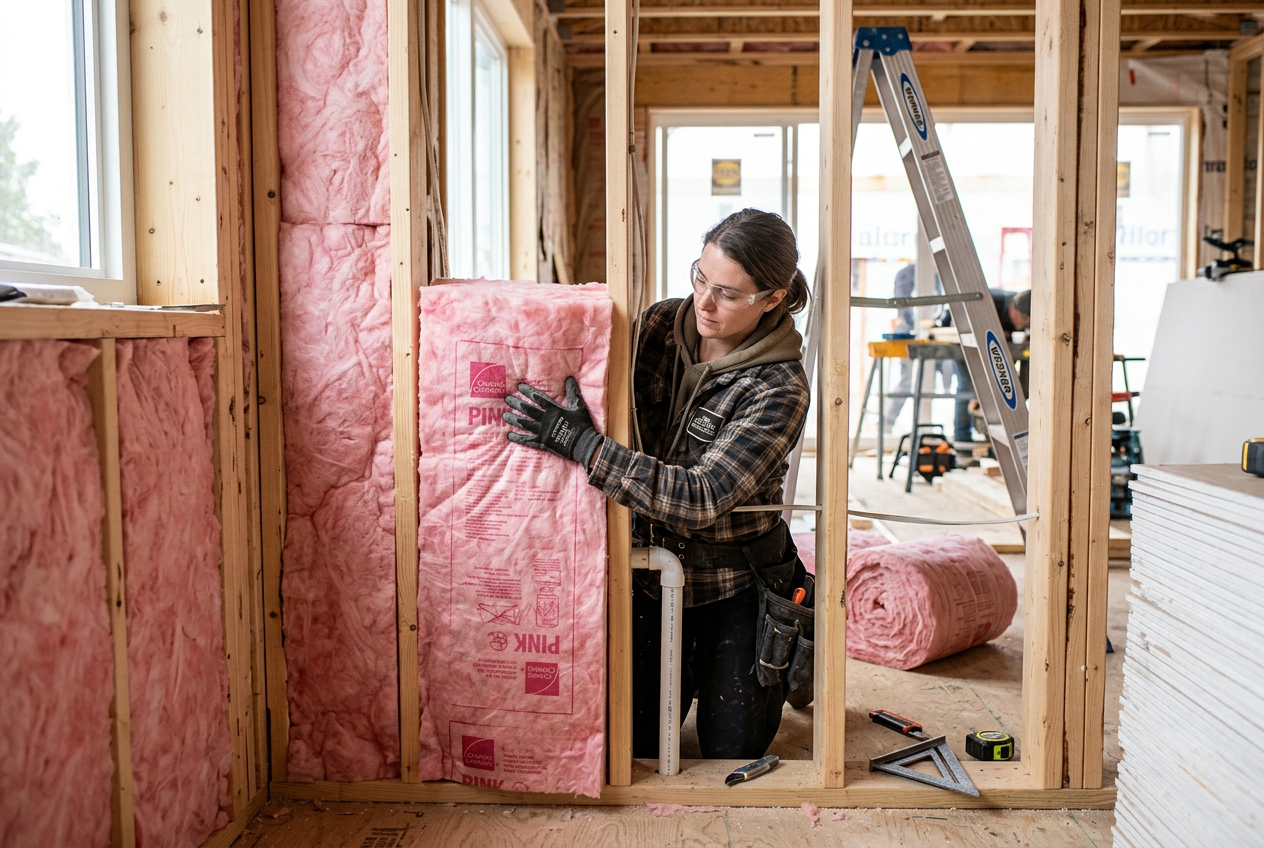
You can use leftover insulation batts to improve the thermal performance of your hot water cupboard, but there are some important rules and safety considerations to understand first. Done correctly, insulating around your hot water cylinder can reduce heat loss and lower your power bill — but done wrong, it can create fire hazards or void your cylinder's warranty.
What You're Actually Trying to Achieve
A hot water cylinder (also called a hot water heater or HWC) loses heat through its walls and into the surrounding cupboard space. Wrapping or surrounding the cylinder with insulation helps retain that heat, meaning your element runs less often. This is especially worthwhile for older, uninsulated cylinders. Newer cylinders often come with factory-fitted insulation jackets already built in, so check your cylinder before you start.
What Type of Insulation Batts Can You Use?
Not all leftover batts are suitable. Here's what to consider:
- Glass wool or polyester batts (the most common types in NZ homes) are generally suitable for use around hot water cupboards, provided they are kept away from direct heat sources.
- Do not place batts directly against the cylinder element, thermostat, or any electrical connections. These components generate heat and require clearance.
- Do not cover the pressure relief valve (PRV) or its discharge pipe. This safety device must remain accessible and unobstructed at all times.
- Do not block ventilation if your cupboard houses a gas califont or any gas appliance — gas appliances require adequate combustion air and ventilation as required under NZS 5261 and the NZ Building Code clause G12.
- Check the R-value of your leftover batts. Higher R-values mean better insulation. For hot water cupboard walls, even a modest R1.8–R2.6 batt will make a noticeable difference.
Insulating the Cylinder Itself vs the Cupboard Walls
There are two distinct approaches:
1. Wrapping the Cylinder
You can purchase a purpose-made hot water cylinder wrap (a pre-cut insulation jacket) from hardware stores like Bunnings or Mitre 10. These are designed to fit safely around the cylinder body. Using loose batts to wrap the cylinder is trickier — you'd need to cut and secure them carefully, keeping clear of all electrical components. If your cylinder is electric, this work must not involve touching any wiring (see below).
2. Lining the Cupboard Walls and Door
This is where leftover batts are most straightforwardly useful. You can:
- Staple or friction-fit batts between the wall framing inside the cupboard
- Line the back of the cupboard door with a cut batt (secure it so it won't fall)
- Insulate the ceiling of the cupboard if there's an uninsulated space above
This approach keeps warm air in the cupboard, which indirectly reduces heat loss from the cylinder. It's simple DIY work that doesn't involve touching the cylinder or its connections.
NZ Regulatory and Safety Considerations
Electrical work is restricted in New Zealand. Under the Electricity Act 1992, any work on the wiring, element, thermostat, or electrical connections of your hot water cylinder must be carried out by a registered electrician. You must not remove covers, adjust thermostats, or handle any wiring. Check the Electrical Workers Registration Board (EWRB) for what homeowners can and cannot do.
Plumbing connections are also restricted work. The pressure relief valve, cold water inlet, and hot water outlet connections must only be altered by a licensed plumber registered with the Plumbers, Gasfitters and Drainlayers Board (PGDB).
For general building work around the cupboard (lining walls, adding insulation to framing), this is typically Schedule 1 exempt work under the Building Act — but always confirm with your local council if you're unsure whether consent is required.
If you're a landlord, note that Healthy Homes Standards require rental properties to meet specific insulation requirements, and hot water cylinder insulation may be relevant to your compliance obligations.
Fire Safety
- Keep all insulation material at least 100–150 mm away from any heat-generating components (elements, thermostats, wiring terminals).
- Never use insulation batts near open flame or gas burners.
- Ensure the cupboard door can still close fully and that the PRV discharge pipe is unobstructed.
- If in doubt about clearances, consult BRANZ, New Zealand's building research authority, or check MBIE Building Performance guidance.
When to Call a Professional
Call a registered electrician if you want the thermostat adjusted, the element replaced, or any electrical component touched. Call a licensed plumber if any pipework, valves, or fittings need to be moved or altered to accommodate insulation. If you're unsure whether your installation is safe or compliant, an insulation installer can assess the space and advise you properly. You can find qualified local insulation installers and tradespeople on tradedirectory.co.nz.