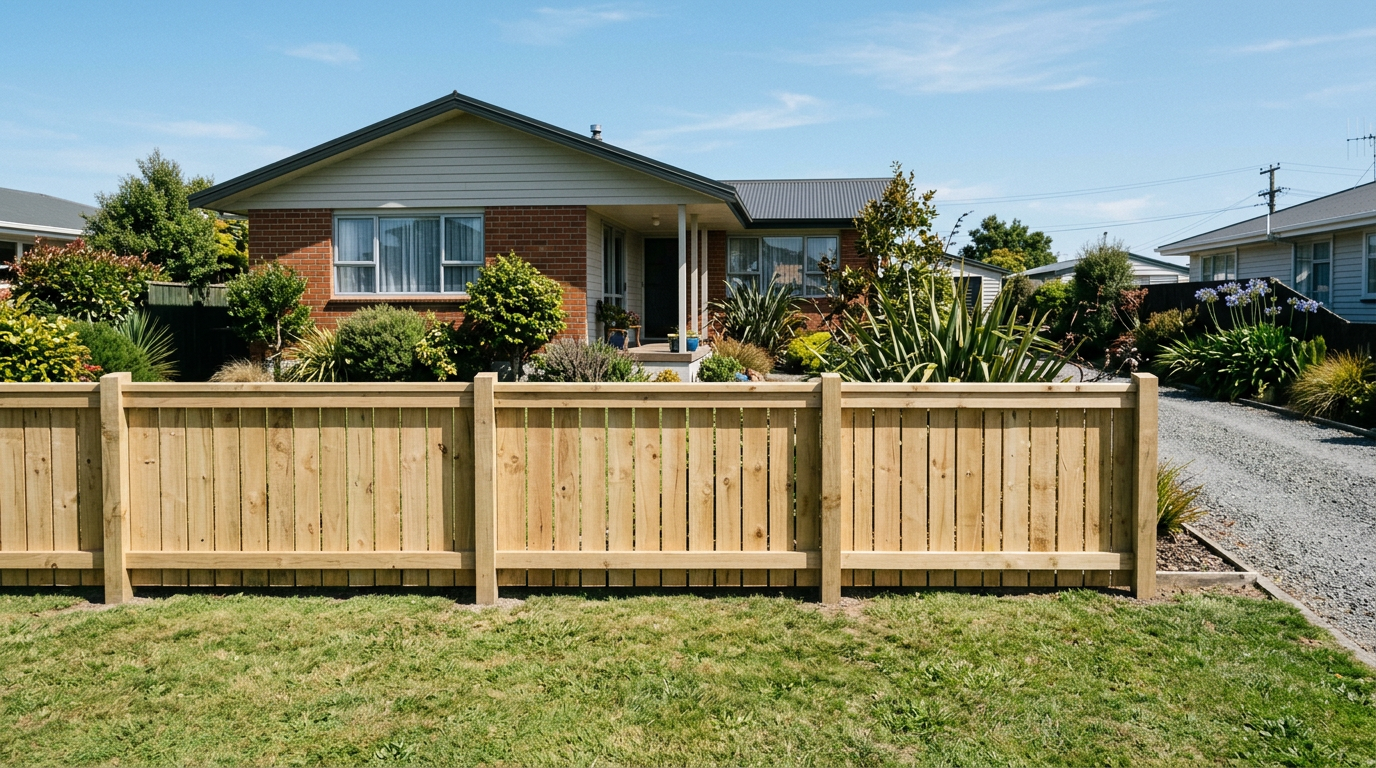
Using galvanised nails with treated pine fencing is common practice in New Zealand, but not all galvanised nails are created equal. The key is matching the nail coating grade to the timber treatment level and the conditions your fence will face — get it wrong and you risk premature corrosion, staining, and structural failure.
Why Nail Choice Matters with Treated Timber
Treated pine used for outdoor fencing in NZ is typically H3.2 or H4 hazard class timber, meaning it contains preservatives (commonly copper-based compounds such as CCA, ACQ, or LOSP variants) that protect against rot, fungi, and insects. The problem is that some of these preservatives — particularly copper-based ones — are corrosive to certain metals, including low-grade or electroplated (thin) galvanised coatings. Using the wrong fastener can cause the nail to corrode rapidly, leaving rust streaks on your fence and weakening the joint.
What Type of Galvanised Nail Should You Use?
There are two main types of galvanised nails you'll encounter at your local hardware store:
- Electroplated (EG) galvanised nails — a thin zinc coating applied electrically. These are generally not suitable for direct contact with H3.2 or H4 treated timber outdoors.
- Hot-dip galvanised (HDG) nails — a much thicker zinc coating applied by dipping in molten zinc. These are the recommended minimum standard for treated pine fencing in most NZ conditions.
As a general guide:
| Timber Hazard Class | Typical Use | Minimum Fastener Recommendation |
|---|---|---|
| H3.2 | Above-ground, exposed (fencing rails, palings) | Hot-dip galvanised (HDG) |
| H4 | Ground contact (fence posts) | Hot-dip galvanised or stainless steel |
| Coastal/marine exposure | Any fencing near salt air | Stainless steel (Grade 316) |
For most residential fencing using H3.2 treated pine, hot-dip galvanised nails are the standard go-to. If your fence posts are H4 in-ground, HDG is still widely used, though stainless steel offers superior longevity in harsh or coastal environments.
NZ Standards and Building Code Context
The NZ Building Code and associated standards provide guidance on fastener durability. NZS 3604:2011 (Timber-framed buildings) includes requirements for fastener corrosion resistance, and while it primarily covers structural framing, its principles around fastener compatibility with treated timber are widely applied to fencing as well. BRANZ also publishes guidance on fastener selection for treated timber that is worth consulting.
Timber treatment requirements in NZ are governed by NZS 3640, which specifies hazard classes. Always check the end-tag or stamp on your treated pine to confirm the hazard class before selecting fasteners.
Coastal and High-Exposure Environments
If your property is within a few kilometres of the coast or in an area with high humidity and salt air, hot-dip galvanised nails may still corrode over time. In these situations, Grade 316 stainless steel nails are strongly recommended. They cost more upfront but will outlast HDG nails significantly in aggressive environments. Check with your local Mitre 10 or Bunnings for stainless steel nail availability, or ask a fencing supplier.
Nail Length and Type for Fencing
Beyond the coating, make sure you're using the right nail length and profile:
- Palings to rails: Typically 75 mm jolt-head or flat-head nails
- Rails to posts: 100 mm nails or coach screws for a stronger connection
- Ring-shank or spiral-shank nails offer better holding power than smooth-shank nails and are worth considering for fencing exposed to wind loading
Using two nails per paling at each rail is standard practice for stability.
Can You Use Screws Instead?
Absolutely — and many fencers prefer hot-dip galvanised or stainless steel decking screws for treated pine fencing. Screws offer better pull-out resistance than nails and make future repairs easier. If you're using a nail gun, confirm that the collated nails you're loading are hot-dip galvanised and rated for treated timber — not just electroplated.
Tips for a Long-Lasting Fence
- Always store treated timber off the ground and allow it to dry before painting or staining
- Pre-drill near the ends of palings to reduce splitting
- Consider sealing cut ends of treated timber with an end-grain preservative
- Check your local council's rules on fence heights — in many NZ councils, boundary fences up to 2 metres may not require a building consent, but always confirm with your council as rules vary
- MBIE Building Performance has information on Schedule 1 exemptions that may apply to fencing work
When to Call a Professional
Most residential fencing is DIY-friendly, but there are times to bring in a qualified fencer:
- Retaining walls combined with fencing — these may require engineering and building consent
- Boundary disputes — a professional can help ensure the fence is correctly positioned
- Large or complex projects — post-driving in rocky ground, sloped sites, or long runs benefit from experience and the right equipment
You can find qualified local fencers on tradedirectory.co.nz to get the job done right.





