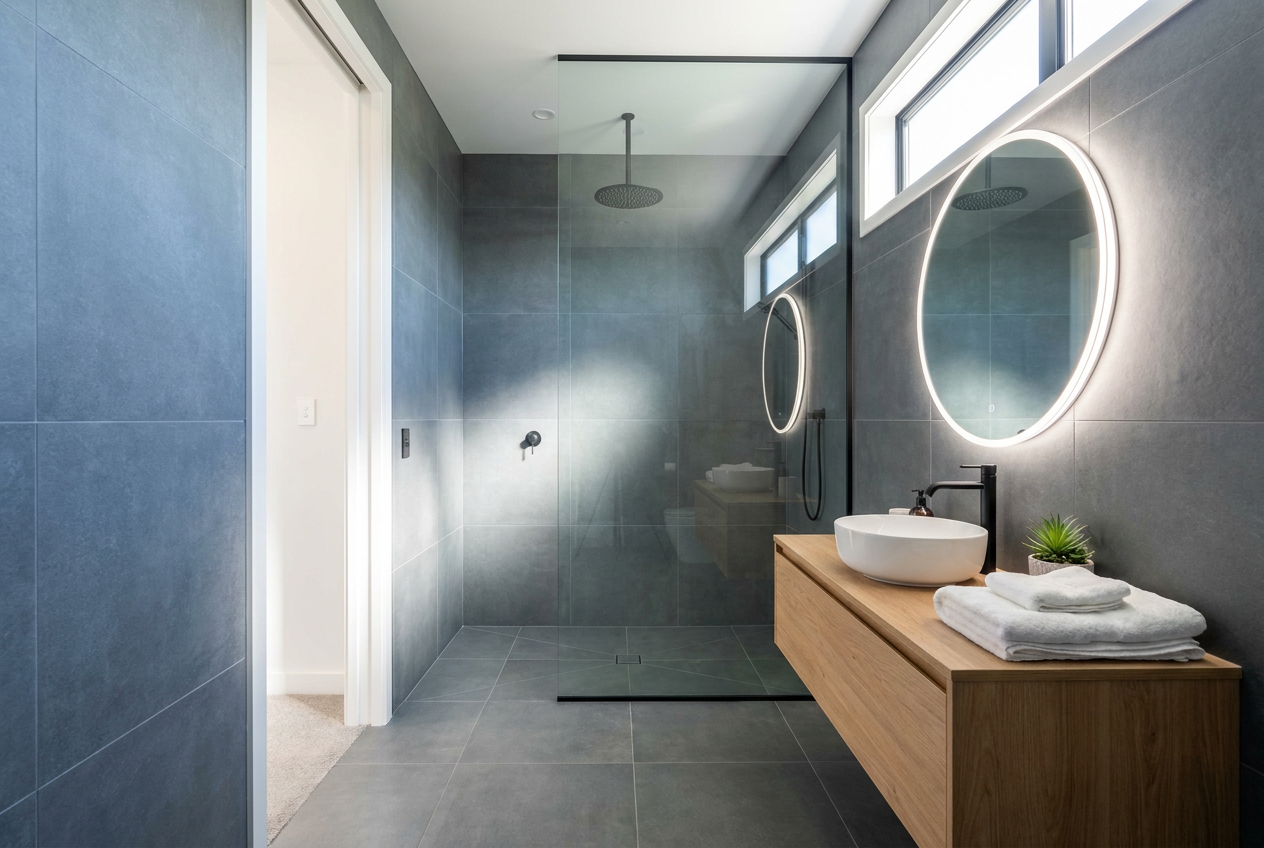
Expanding foam is great for filling gaps and adding insulation, but it is not a waterproofing product and should not be relied on to seal pipe penetrations in wet areas. In most situations, you'll need a purpose-made sealant, collar, or membrane system to meet the NZ Building Code and keep moisture where it belongs.
Why Expanding Foam Falls Short
Standard polyurethane expanding foam (the kind you buy in a can at your local hardware store) is designed to fill voids and provide draught-stopping or thermal insulation. It is open- or closed-cell foam depending on the product, but even closed-cell varieties are not rated as waterproof membranes. Over time, foam exposed to moisture can degrade, crumble, or allow water to track along the pipe surface — especially if the bond between the foam and the pipe or substrate breaks down.
Key limitations include:
- Not UV stable — foam exposed to sunlight deteriorates quickly
- Not flexible enough — pipes expand and contract with temperature changes, and rigid foam can crack or pull away
- Not a membrane — it doesn't form the continuous, bonded waterproof layer required under NZ Building Code clauses E2 (External Moisture) and E3 (Internal Moisture) (note: E3 covers internal moisture generally, while wet area waterproofing requirements are primarily addressed under E2 and relevant acceptable solutions)
- Not suitable for submerged or constantly wet conditions — such as below-slab penetrations or shower walls
What the NZ Building Code Requires
Under the NZ Building Code, pipe penetrations through waterproofed surfaces — like shower walls, wet room floors, or external cladding — must maintain the integrity of the waterproofing system. This means the seal around the pipe must be:
- Continuous and bonded to both the pipe and the surrounding substrate
- Flexible enough to accommodate movement
- Durable for the expected life of the building element
For internal wet areas, the relevant NZ Standard for wet area membranes (check with your council or a qualified waterproofer for the current applicable standard) sets out the performance requirements. Your waterproofing system — including how pipe penetrations are treated — needs to comply. Always check with your local council if a building consent is required for the work you're doing.
The Right Products for Pipe Penetrations
Here's a quick guide to what actually works:
| Situation | Recommended Solution |
|---|---|
| Shower or wet area wall penetration | Waterproof membrane + pipe collar/sleeve |
| Floor penetration (e.g. waste pipe) | Membrane reinforced around pipe with bandage/fleece |
| External wall pipe penetration | Flashing, sealant rated for exterior use, or purpose-made pipe flashing |
| Below-slab penetration | Specialist hydraulic or crystalline waterproofing product |
| General gap filling (non-wet area) | Expanding foam is acceptable for draught/insulation only |
Waterproof Membranes and Sealants
For wet areas, look for liquid-applied membranes from reputable suppliers. Ardex and Mapei both offer membrane systems with specific detailing instructions for pipe penetrations, including reinforcing bandage to wrap around the pipe where it passes through the membrane layer. Sika also supplies waterproofing products suited to these applications.
For external penetrations, a neutral-cure silicone sealant rated for exterior use is typically appropriate, but it must be applied to a clean, dry, primed surface and maintained over time. Silicone is not a substitute for a full membrane system in a wet room.
Pipe Collars and Sleeves
Purpose-made pipe penetration collars are the neatest and most reliable solution for many situations. These rubber or polymer sleeves clamp around the pipe and bond to the surrounding surface, maintaining the waterproof layer. They're available at Bunnings and Mitre 10, and your local PlaceMakers trade store will often stock trade-grade options.
What a Homeowner Can DIY
As a homeowner, you can generally:
- Apply waterproofing membranes and sealants in wet areas (though the work must still meet the Building Code)
- Install pipe collars on existing penetrations
- Fill non-wet-area gaps with expanding foam for insulation or draught-stopping
However, any work that involves cutting into or modifying plumbing pipes is restricted work under the Plumbers, Gasfitters and Drainlayers Act. This must be carried out by a licensed tradesperson registered with the Plumbers, Gasfitters and Drainlayers Board (PGDB). Similarly, any electrical work near wet areas must be done by a registered electrician — check the Electrical Workers Registration Board (EWRB) for details.
Safety note: Working in wet areas near electrical fittings carries a risk of electric shock. Always isolate power to the area before starting work, and never allow water to contact live electrical components.
When to Call a Professional
You should engage a qualified waterproofer or tiler/waterproofing specialist if:
- You're waterproofing a shower, bathroom, or wet room from scratch
- There are multiple pipe penetrations through a tiled or membraned floor
- You suspect existing waterproofing has failed (signs include damp walls, lifting tiles, or mould)
- The penetration is below ground or in a foundation wall
- You're unsure whether a building consent is required
A licensed waterproofer will know exactly which products and methods comply with the NZ Building Code and manufacturer specifications. You can find qualified local waterproofing tradespeople on tradedirectory.co.nz.

 Site Safe


 SiteWise

 Licensed Building Practitioner (LBP)




