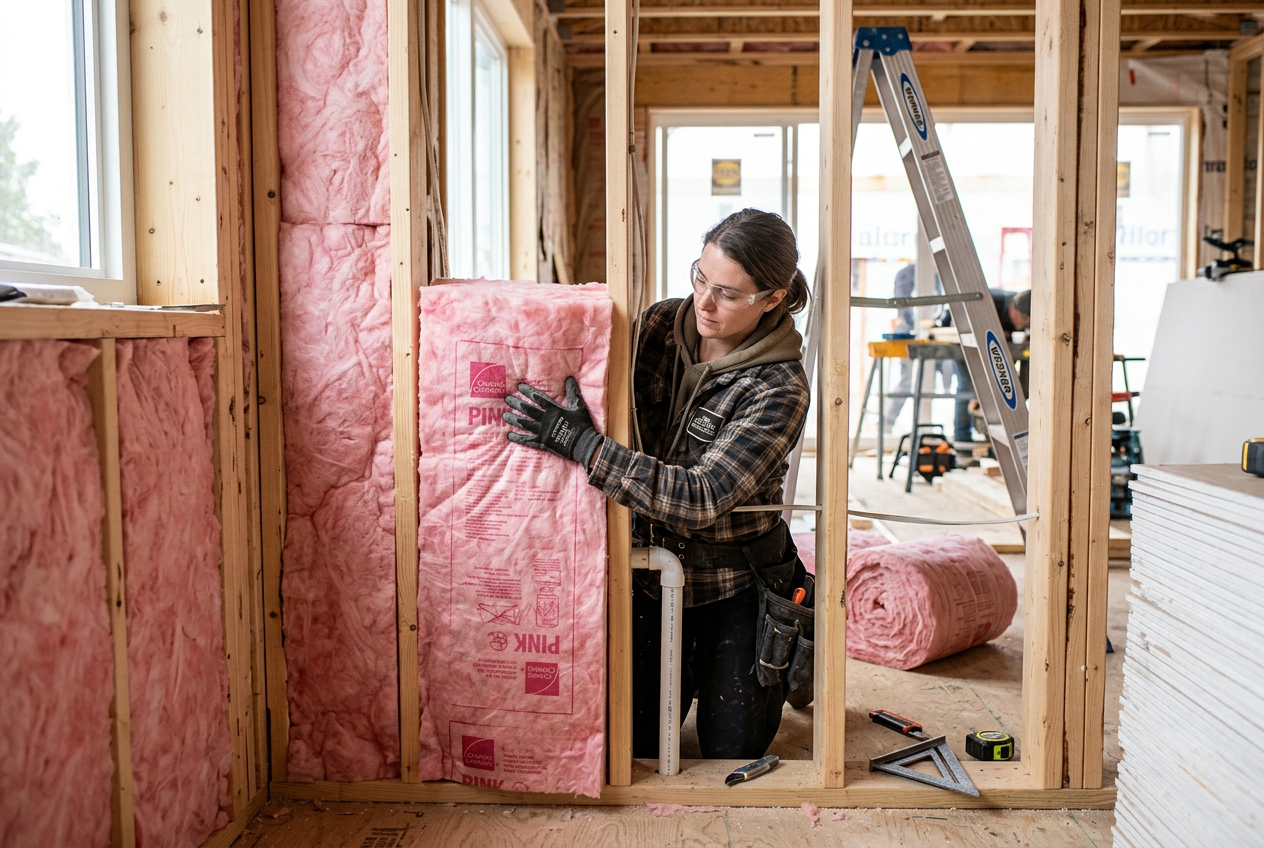
Yes, you can use expanding foam to seal gaps around the perimeter of ceiling insulation batts — and doing so is actually good practice for improving your home's thermal and air-sealing performance. However, there are important rules around fire safety, product selection, and where foam should and shouldn't be used. Getting this right matters for both comfort and compliance with the NZ Building Code.
Why Sealing the Perimeter Matters
Even well-fitted insulation batts can leave small gaps where they meet ceiling joists, wall top plates, or penetrations. These gaps allow air infiltration and convective heat loss, which significantly reduces the effective R-value of your insulation. In New Zealand's varied climate — from cold southern winters to humid northern summers — a well-sealed ceiling is one of the most cost-effective upgrades you can make. Energywise notes that ceiling insulation combined with good air sealing delivers the greatest energy savings of any home improvement.
When Expanding Foam Is Appropriate
Expanding polyurethane foam is well-suited for:
- Small gaps and voids around the perimeter of batts where they meet timber framing
- Penetrations such as pipes, cables, or conduits passing through the ceiling (subject to fire rules — see below)
- Irregular edges where batts can't be cut to fit perfectly
- Sealing around recessed light surrounds (only where a fire-rated cover or hood is already installed — never foam directly against a downlight)
For larger gaps, it's better to cut an additional piece of batt to fill the void first, then use foam to seal the edges.
Fire Safety — The Most Important Rule
This is where many DIYers go wrong. Expanding foam is combustible, and the NZ Building Code (in particular Clause C — Protection from Fire) places strict requirements on materials used in ceiling spaces.
- Never apply expanding foam directly around recessed downlights or other heat-generating fittings. The foam can ignite. Always use a compliant fire-rated downlight cover/hood first, then insulate and seal around the outside of that hood.
- In fire-rated ceiling assemblies (common in multi-storey homes or homes with an attached garage), only use foam products that are specifically rated for fire-stopping. Standard gap-filler foam does NOT provide fire resistance.
- Check the product's technical data sheet to confirm its fire rating before use in any sensitive location.
If you're unsure whether your ceiling has a fire-rated assembly, check your building consent documentation or consult a Licensed Building Practitioner.
Choosing the Right Foam Product
Not all expanding foams are equal. For ceiling insulation sealing, look for:
| Feature | What to Look For |
|---|---|
| Expansion rate | Low-expansion foam for gaps under 30 mm; standard for larger voids |
| Fire rating | Fire-rated/intumescent foam for penetrations in fire-rated assemblies |
| Paintability | Not essential in ceiling spaces, but useful near visible edges |
| Moisture resistance | Useful in humid climates (Northland, West Coast) |
Products are available at Bunnings and Mitre 10. Always read the manufacturer's data sheet and safety information — uncured foam is an irritant and you should wear gloves and eye protection.
Step-by-Step: Sealing Batt Perimeters With Foam
- Fit your batts first — ensure they are snug between joists with no major voids. Batts should be installed at the correct R-value for your climate zone (check MBIE Building Performance for current NZ Building Code minimums).
- Identify gaps — look along the top plates, around penetrations, and at any irregular edges.
- Protect downlights — install compliant fire-rated hoods before any insulation or foam work nearby.
- Apply foam sparingly — use a straw applicator and fill gaps in a single pass. Low-expansion foam is easier to control.
- Allow to cure — cure times vary by product — check the manufacturer's instructions.
- Trim excess — once cured, a serrated knife trims flush easily.
- Check for missed spots — a torch and a careful eye will reveal any remaining gaps.
Healthy Homes and Rental Properties
If you're a landlord, ceiling insulation is a requirement under the Healthy Homes Standards. While the standards specify minimum R-values rather than air-sealing methods, proper sealing ensures your insulation performs as rated and helps you meet the spirit of the standard. Keep records of the work done.
Does This Require a Building Consent?
Installing or upgrading ceiling insulation in an existing home is generally exempt from building consent under Schedule 1 of the Building Act, provided it doesn't affect the structure or fire-rated elements. However, always confirm with your local council, as exemptions can depend on your specific situation. See MBIE Building Performance for guidance on Schedule 1 exemptions.
When to Call a Professional
Call a qualified insulation installer or Licensed Building Practitioner if:
- You have a fire-rated ceiling assembly and are unsure which products are compliant
- Your ceiling space has existing moisture damage, mould, or structural issues
- You need to work around complex penetrations or older wiring (knob-and-tube or deteriorated insulation on cables)
- The job involves electrical work — any alteration to wiring is restricted work under the Electrical Workers Registration Board rules and must be done by a registered electrician
- You simply want the job done right the first time
You can find qualified local insulation installers and tradespeople on tradedirectory.co.nz.