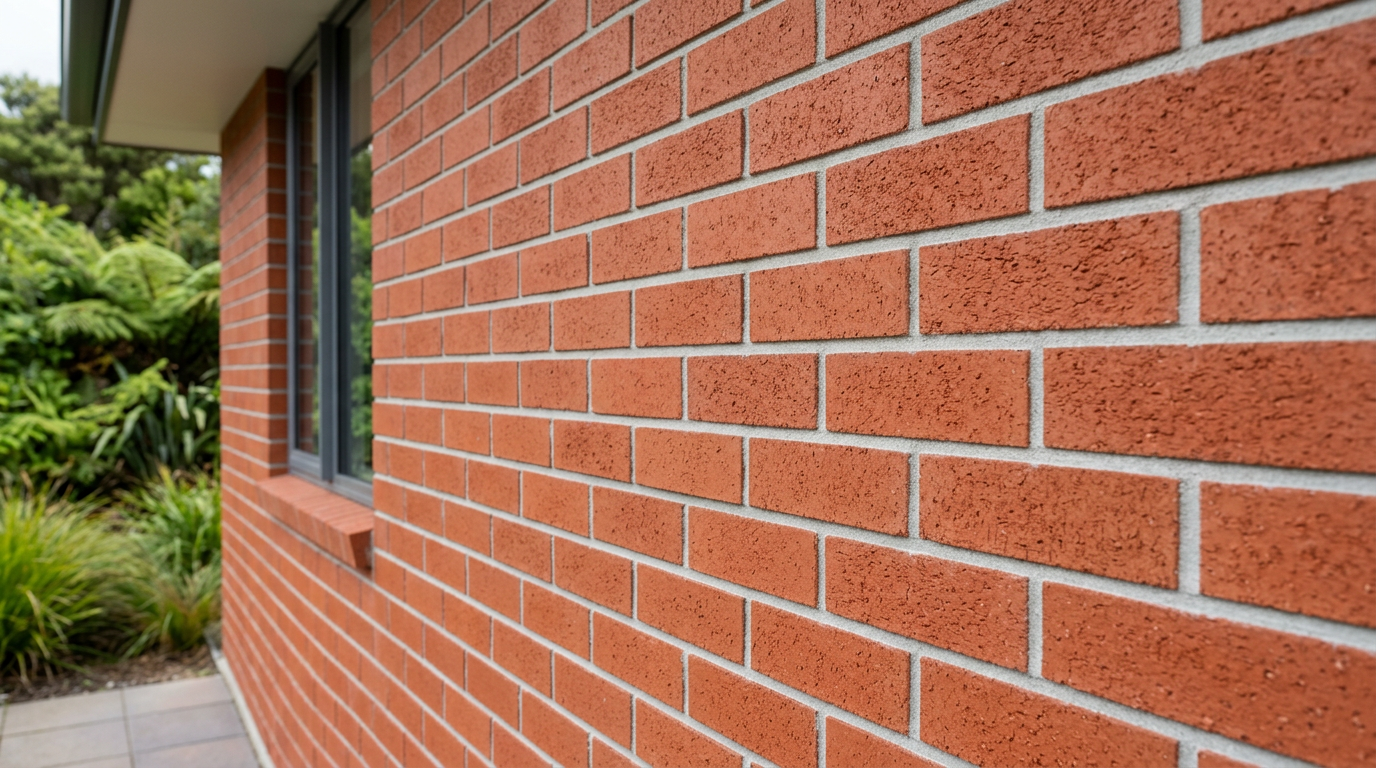
Yes, you can hire a brick saw from Bunnings for a small DIY masonry job, and for straightforward tasks like cutting a handful of bricks or pavers, it's a cost-effective option. That said, a brick saw is a powerful and potentially dangerous piece of equipment, so knowing how to use it correctly — and understanding its limitations — is essential before you start.
What Is a Brick Saw and What Can It Do?
A brick saw (also called a masonry wet saw or tile saw) is a bench-mounted power tool fitted with a diamond-tipped blade and a water-cooling system. The water keeps the blade cool, reduces dust, and extends blade life. Hired units from Bunnings are typically suitable for:
- Cutting clay bricks, concrete blocks, and pavers
- Trimming tiles and natural stone
- Making straight cuts and, on some models, angled (mitre) cuts
They are not designed for cutting reinforced concrete, structural masonry that forms part of a building's load-bearing system, or large volumes of material where a professional-grade saw would be more appropriate.
Checking the Hire Equipment
Before you leave the store, inspect the hired saw carefully:
- Diamond blade condition — check for cracks, missing segments, or excessive wear. A damaged blade is a serious hazard.
- Water supply system — confirm the pump and water tray are working. Running a masonry blade dry can cause it to overheat and shatter.
- Guards and fences — make sure all blade guards are in place and the rip fence (if fitted) moves freely.
- Power cord — look for any damage to the cable or plug.
If anything looks worn or faulty, ask Bunnings staff to swap the unit before you take it home.
Setting Up Safely
Safety is non-negotiable when operating a brick saw. WorkSafe NZ guidelines apply to DIYers as much as to professionals. Follow these steps:
- Set the saw on a stable, level surface — a wobbling saw is dangerous.
- Work outdoors or in a very well-ventilated area. Even with water suppression, fine silica dust can be generated. Prolonged exposure to silica dust causes silicosis, a serious and irreversible lung disease.
- Wear P2-rated respiratory protection (not just a dust mask), safety glasses or a face shield, hearing protection, cut-resistant gloves, and steel-capped boots.
- Keep bystanders — especially children — well clear of the work area.
- Never reach across the blade or freehand small pieces without a proper push stick or guide.
- Ensure the saw is switched off and unplugged before adjusting the blade or clearing debris.
Technique Tips for Clean Cuts
- Mark your cut line clearly with a pencil or chalk on all faces of the brick.
- Use the rip fence or mitre guide for straight, repeatable cuts rather than cutting freehand.
- Feed the brick slowly and steadily into the blade — forcing it causes chipping and puts strain on the motor.
- Let the blade do the work; don't push hard.
- For angled cuts, check whether the hired saw supports mitre adjustments — not all hire units do.
- Keep the water flowing throughout every cut.
How Many Cuts Is It Worth Hiring For?
As a rough guide, hiring a brick saw makes sense if you have more than about 10–15 cuts to make. For just a few cuts, a cold chisel and club hammer (the traditional bricklayer's method) or an angle grinder with a masonry disc may be quicker and cheaper — though an angle grinder generates significant dry dust and requires the same respiratory precautions.
| Method | Best for | Dust risk | Accuracy |
|---|---|---|---|
| Cold chisel & hammer | 1–5 rough cuts | Low | Moderate |
| Angle grinder + disc | Quick trimming | High (use water attachment) | Moderate |
| Hired brick saw | 10+ cuts, clean finish | Low (wet cutting) | High |
Building Code and Consent Considerations
For most small DIY masonry tasks — like laying a garden path, building a low garden wall, or replacing a few damaged bricks — no building consent is required under Schedule 1 of the Building Act. However, rules vary depending on the scope of work, proximity to boundaries, and your local council's requirements. Always check with your local council before starting any structural or significant masonry work. MBIE Building Performance has useful guidance on what work requires consent.
If your project involves structural brickwork — such as retaining walls over a certain height, or any masonry that forms part of a building's structure — you will likely need a building consent and the work should be carried out or supervised by a Licensed Building Practitioner (LBP).
When to Call a Professional
Hiring a brick saw is fine for small, straightforward jobs. But consider calling a qualified bricklayer if:
- You need more than a few dozen cuts or are working with hard engineering bricks
- The job involves structural masonry, retaining walls, or chimney work
- You're unsure about mortar mixes, bonding patterns, or weatherproofing
- The finished result needs to match existing brickwork closely (colour, texture, and joint profile all matter)
- You're not confident operating power tools safely
A skilled bricklayer will also have access to professional-grade saws that produce cleaner, faster results. You can find qualified local bricklayers on tradedirectory.co.nz.


 Licensed Building Practitioner (LBP)









