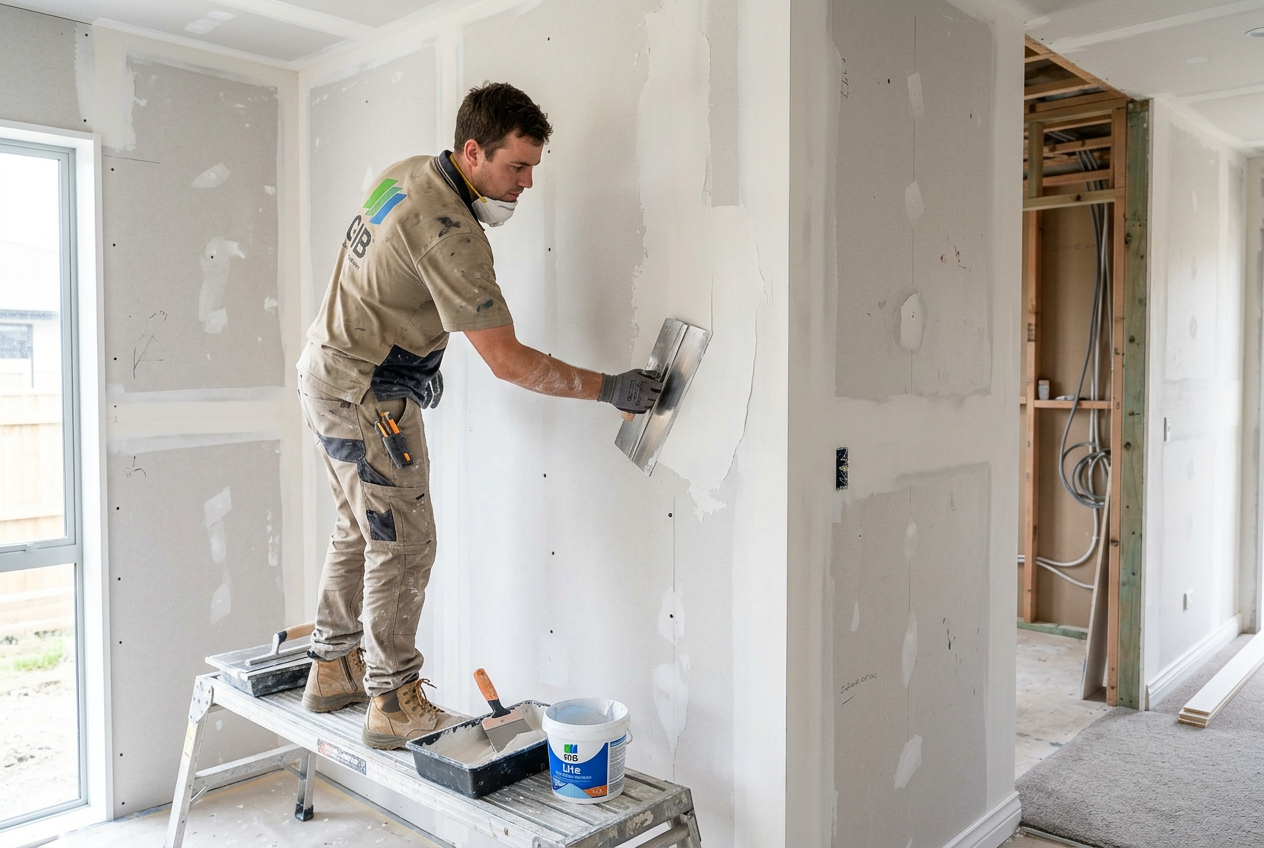
Tiling directly onto standard GIB plasterboard in a shower area is not recommended and is unlikely to meet the New Zealand Building Code. Standard plasterboard is not designed to handle the ongoing moisture exposure found in showers, and doing so risks serious water damage, mould growth, and costly repairs down the track. Here's what you need to know before you start.
Why Standard GIB Plasterboard Isn't Suitable for Showers
Standard GIB plasterboard is made from a gypsum core with paper facings. While it's excellent for general interior walls and ceilings, it is highly susceptible to moisture. In a shower environment, steam and water will eventually penetrate even a well-tiled surface through grout lines and tile edges. Once moisture reaches standard plasterboard, the gypsum core softens, the paper facing deteriorates, and the board loses structural integrity — meaning your tiles can delaminate or collapse.
The NZ Building Code clause E3 (Internal Moisture) requires that internal wet areas, including showers, be constructed so that moisture does not damage the building fabric. Using an unsuitable substrate is a common way this requirement is failed.
What Does GIB Recommend?
GIB produces a specific product for wet areas: GIB Aqualine®. This is a moisture-resistant plasterboard designed for use in bathrooms and other humid environments. However, even GIB Aqualine® has limitations — it is generally suitable for splash zones (areas that get wet intermittently) but is not always recommended as a direct tile substrate inside a shower recess where it will be subject to continuous wetting. Always check the current GIB technical literature and follow their specific installation guidelines for your situation.
Suitable Substrates for Tiling in a Shower
For a shower area where tiles will be directly applied, the following substrates are commonly used in NZ and are far better suited to the wet environment:
| Substrate | Common Use | Notes |
|---|---|---|
| Cement board (e.g. fibre cement sheet) | Shower walls and floors | Dimensionally stable, moisture-resistant |
| Tile backer board (foam-core or cement-core) | Shower walls | Lightweight, excellent moisture resistance |
| GIB Aqualine® | Bathrooms, splash zones | Check manufacturer specs for shower recesses |
| Compressed fibre cement sheet | Floors and walls | Check suitability with manufacturer |
James Hardie produces fibre cement sheet products widely used as tile substrates in NZ wet areas. Always confirm the specific product is rated for your application.
The Importance of Waterproofing
Regardless of the substrate you choose, waterproofing is critical in a shower and is a requirement under the NZ Building Code. Clause E3 and the associated NZS 4858 (Wet Area Membranes standard) set out requirements for waterproofing in wet areas.
A tanked or membrane waterproofing system should be applied over the substrate before tiling. Products from manufacturers such as Ardex, Mapei, and Sika offer waterproofing membranes suitable for shower applications. Always follow the manufacturer's application instructions carefully, paying particular attention to:
- Corners and junctions — these are the most common failure points and typically require reinforcing tape embedded in the membrane
- Minimum membrane thickness — usually specified in the product data sheet
- Cure time before tiling
Tiling and Adhesive Selection
Once you have the right substrate and waterproofing in place, use a tile adhesive rated for wet areas. Standard wall tile adhesives may not be suitable for continuous wet environments. Check the product data sheet and look for adhesives compliant with relevant standards. Ardex and Mapei both offer wet-area-rated adhesives and grouts available through NZ trade suppliers.
Use a flexible, waterproof grout and ensure all internal corners are finished with silicone sealant rather than grout, as grout is rigid and will crack at movement joints over time.
Do You Need a Building Consent?
In most cases, retiling an existing shower or replacing a shower lining is considered maintenance or repair work and may fall under Schedule 1 exemptions of the Building Act — meaning no building consent is required. However, this depends on the scope of work and your local council's interpretation. Always check with your local council before starting work to confirm whether consent is needed. You can find general guidance at MBIE Building Performance.
When to Call a Professional
While an experienced DIYer can tackle tiling, there are good reasons to bring in a qualified plasterer or tiler for shower work:
- Waterproofing failures are expensive to fix and can cause hidden structural damage
- Getting the substrate, membrane, and tile system right requires knowledge of how these systems interact
- A professional will be familiar with NZ Building Code requirements and can ensure the work is done to a compliant standard
- If your shower renovation involves moving or adding plumbing, this is restricted work under the Plumbers, Gasfitters and Drainlayers Board (PGDB) and must be carried out by a licensed plumber
- Similarly, any electrical work (such as adding a heat lamp or extractor fan) must be done by a registered electrician under the EWRB
You can find qualified local plasterers and tilers on tradedirectory.co.nz.

 Master Painters NZ member








