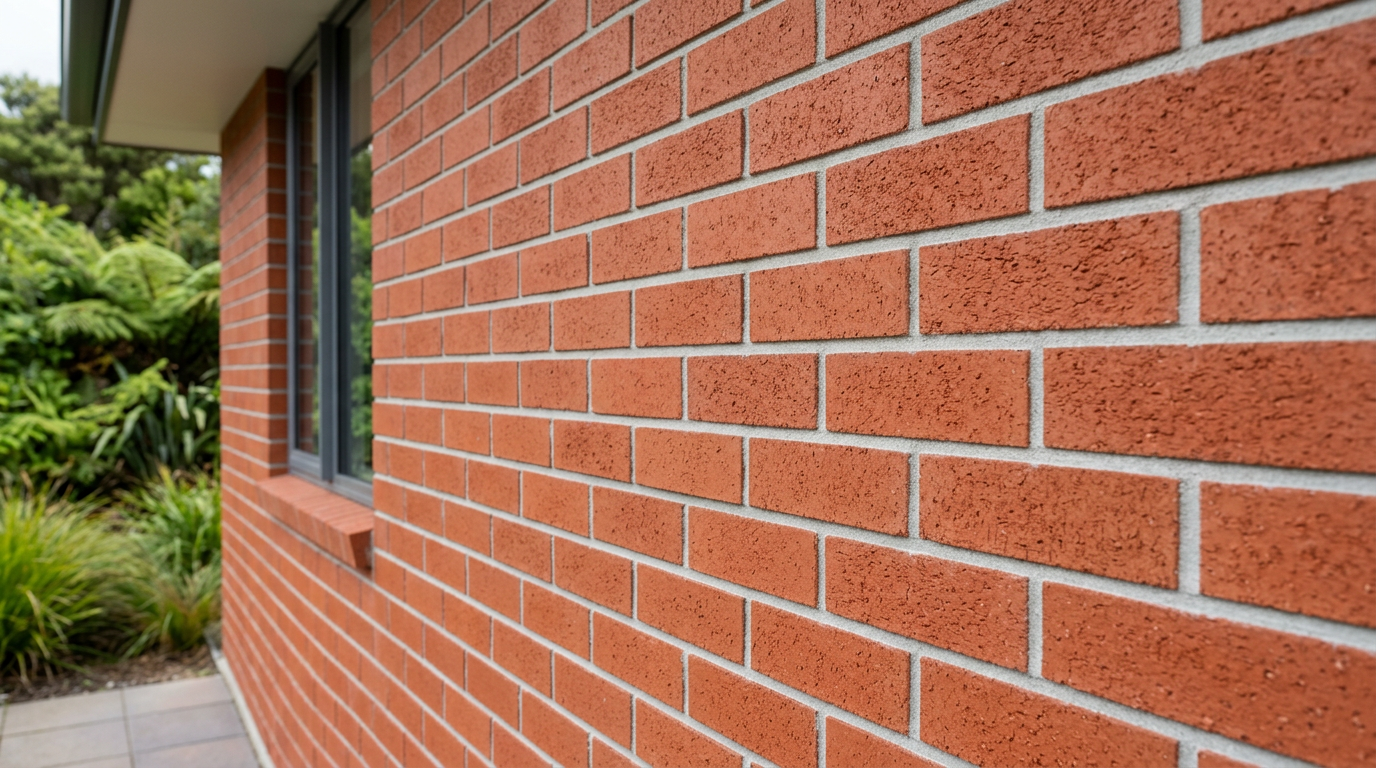
Sealing brickwork to keep moisture out is a job most NZ homeowners can tackle themselves, provided the brickwork is in good condition and the moisture problem isn't caused by a structural or drainage issue. Choosing the right sealer and preparing the surface properly are the keys to a long-lasting result.
Why Sealing Brickwork Matters in New Zealand
New Zealand's climate — particularly in wetter regions like the West Coast, Wellington, and Auckland — means brick walls are regularly exposed to wind-driven rain. Over time, moisture can penetrate through the brick face or, more commonly, through the mortar joints, leading to damp interiors, efflorescence (white salt deposits), spalling bricks, and even mould growth inside the home.
The NZ Building Code requires that buildings resist moisture ingress (Clause E2 — External Moisture), and while sealing existing brickwork isn't a consented building work activity, it's a practical maintenance step that supports this goal.
First: Identify the Real Cause of Moisture
Before reaching for a sealer, make sure moisture is actually entering through the brick face — not from another source. Common culprits include:
- Failed or cracked mortar joints — repointing is needed before sealing
- Damaged flashings around windows, doors, or the roofline
- Rising damp from the ground (a sealer won't fix this)
- Condensation forming on the inside of walls
If you're unsure, BRANZ has excellent guidance on diagnosing moisture problems in NZ homes. A qualified bricklayer can also assess the wall and recommend the right approach.
Choosing the Right Brick Sealer
Not all sealers are equal. The two main types suited to brickwork are:
| Sealer Type | How It Works | Best For |
|---|---|---|
| Penetrating/impregnating sealer (silane or siloxane-based) | Soaks into the brick and repels water without changing appearance | Most exterior brick walls — preserves the natural look |
| Film-forming sealer (acrylic or masonry paint) | Sits on the surface and creates a visible coating | Feature walls, decorative finishes — can trap moisture if applied incorrectly |
For most NZ homes, a penetrating siloxane-based sealer is the preferred choice. It allows the wall to breathe (vapour can still escape) while repelling liquid water. Products from Sika and brands stocked at Bunnings or Mitre 10 are widely available. Always read the product datasheet and confirm it's suitable for your brick type.
Avoid applying a film-forming sealer over damp or contaminated brickwork — trapped moisture can cause blistering and accelerate deterioration.
What You'll Need
- Stiff-bristled brush or pressure washer
- Masonry cleaner (for efflorescence or mould)
- Pointing tool and mortar mix (if repointing is needed)
- Penetrating brick sealer
- Low-pressure garden sprayer or wide brush/roller
- Safety glasses and chemical-resistant gloves
- Drop sheets to protect paths and plants
Step-by-Step: How to Seal Brickwork
1. Clean the Surface Thoroughly
Remove all dirt, moss, lichen, efflorescence, and loose mortar. A pressure washer works well, but keep the pressure moderate — high pressure can damage mortar joints. Allow the wall to dry completely (at least 24–48 hours of dry weather).
2. Repair Mortar Joints
Inspect every joint. Rake out any crumbling or cracked mortar to a depth of around 15–20 mm and repoint with a suitable mortar mix. Allow new mortar to cure fully (typically 7–14 days) before sealing.
3. Apply the Sealer
Follow the manufacturer's instructions carefully. Most penetrating sealers are applied generously with a low-pressure sprayer or brush, working from the bottom up to avoid streaking. Apply a second coat while the first is still slightly tacky (wet-on-wet) if the product recommends it. Avoid applying in direct hot sun or if rain is forecast within a few hours.
4. Allow to Cure
Keep the wall dry during the curing period specified on the product label — typically 24–72 hours.
Safety Notes
Many masonry sealers contain solvents. Work in a well-ventilated area, wear safety glasses and gloves, and keep the product away from drains and waterways. Check the Safety Data Sheet (SDS) for the product before use. WorkSafe NZ has guidance on working safely with chemical products.
When to Call a Professional
Sealing brickwork is not restricted work under NZ law, so homeowners can do it themselves. However, you should call a qualified bricklayer if:
- There is significant mortar deterioration across large areas of the wall
- Bricks are spalling, cracked, or structurally compromised
- You suspect rising damp or a drainage issue at the base of the wall
- The wall is part of a structural or retaining system — any repairs may require a building consent
- Moisture is still appearing inside after sealing (the cause may be elsewhere)
A licensed bricklayer can assess the full extent of the problem and carry out repointing or repairs to a professional standard. You can find qualified local bricklayers on tradedirectory.co.nz.


 Licensed Building Practitioner (LBP)





