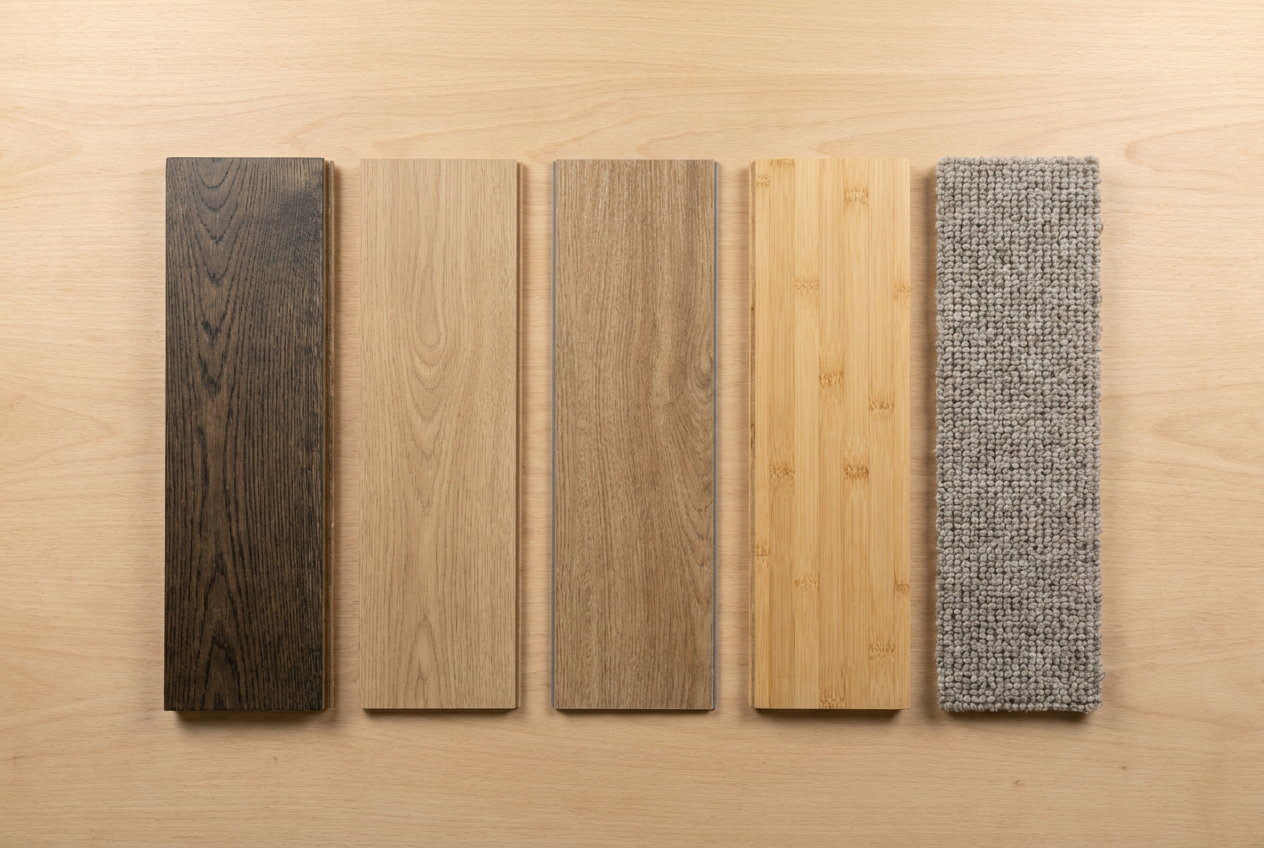
Yes, you can sand and finish a floor that has underfloor heating, but it requires more care and planning than a standard floor job. The combination of heat, moisture movement, and embedded heating elements means there are real risks — from damaging your heating system to ruining your finish — if you rush in without the right preparation.
Understand What's Under Your Floor First
Before you hire a sander or open a tin of finish, you need to know exactly what type of underfloor heating (UFH) system you have:
- Hydronic (wet) systems use water-filled pipes embedded in a screed or fixed beneath the subfloor.
- Electric mat systems use thin heating cables or mats, often laid just beneath the floor surface or in a thin adhesive layer.
Electric mat systems are the higher-risk option for DIY sanding because the cables can sit very close to the surface. Sanding too aggressively could cut through the floor board and damage or sever a heating cable. Always locate your heating elements before you start — check your installation documentation or contact the installer.
Turn Off the Heating Well in Advance
This is non-negotiable. You must turn off your underfloor heating system at least 48–72 hours before sanding begins, and keep it off throughout the entire sanding and finishing process. Here's why:
- Active heat dries the timber unevenly, causing it to move and cup or crack.
- Warm boards raise the temperature of sanding dust, increasing fire risk.
- Some finishes — particularly water-based polyurethanes — are sensitive to surface temperature and will not cure correctly on a warm floor.
Once all coats of finish are fully cured (check the manufacturer's datasheet for cure times — often 5–7 days for full hardness), you can gradually bring the heating back up, increasing the temperature by no more than a few degrees per day.
Check Your Timber Species and Board Thickness
Not all timber floors are suitable for sanding when installed over UFH. Key things to check:
- Board thickness: You need enough material above any tongue-and-groove or fixing to sand safely. As a general rule, solid timber should have at least 6 mm of wear layer remaining above the tongue. If your boards are already thin from previous sands, stop and get a professional assessment.
- Engineered timber: Many engineered boards have a relatively thin veneer (sometimes only 3–4 mm). These can often only be sanded once or twice in their lifetime. Check with the manufacturer before proceeding.
- Moisture content: UFH systems naturally dry out timber over time. Use a moisture meter to check your boards before sanding — significant variation across the floor can indicate movement problems that need addressing first.
BRANZ has useful guidance on timber floor behaviour in heated environments.
Choosing the Right Finish for a Heated Floor
This is where many DIYers go wrong. Standard finishes may not perform well over UFH because the ongoing heat cycle causes the timber to expand and contract more than in an unheated floor. You need a finish that remains flexible:
| Finish Type | Suitability for UFH | Notes |
|---|---|---|
| Water-based polyurethane | Good | Fast drying, low odour, flexible when cured |
| Oil-based polyurethane | Moderate | Longer dry times; apply only with heating off |
| Hardwax oil | Good | Penetrating finish, easy to spot-repair |
| Solvent-based lacquer | Poor | Can become brittle with heat cycling |
Brands like Wattyl, Dulux, and Resene all offer water-based floor finishes suitable for residential use — check each product's technical datasheet to confirm suitability over UFH before purchasing.
Always apply finish at the manufacturer's recommended ambient temperature, typically between 10°C and 25°C, with the heating system off.
Sanding Technique and Dust Management
The sanding process itself is largely the same as any timber floor, but take extra care:
- Start with the correct grit — don't go coarser than necessary. Over-sanding thins boards faster than you think.
- Sand with the grain to avoid cross-grain scratches that show up badly under finish.
- Vacuum thoroughly between grits and before applying any finish coat.
- Sanding produces fine dust that is a health hazard. Wear an appropriate P2 respirator and ensure good ventilation. Review dust safety guidance from WorkSafe NZ.
When to Call a Professional
Hire a qualified floor sanding professional if:
- You cannot locate your heating element positions with certainty.
- Your boards are engineered timber with a thin veneer.
- The floor has significant cupping, gapping, or movement — this may indicate a moisture or installation issue that needs diagnosis first.
- You have an electric mat system and are unsure of cable depth.
- You've never operated a drum or belt floor sander before — these machines are aggressive and can gouge a floor in seconds if mishandled.
Any electrical faults or damage to heating cables must be repaired by a registered electrician — this is restricted electrical work under NZ law. Check the Electrical Workers Registration Board (EWRB) to find a licensed electrician. Similarly, faults in hydronic systems should be assessed by a qualified plumber registered with the Plumbers, Gasfitters and Drainlayers Board (PGDB).
You can find experienced local floor sanding professionals on tradedirectory.co.nz who are familiar with heated floor systems.