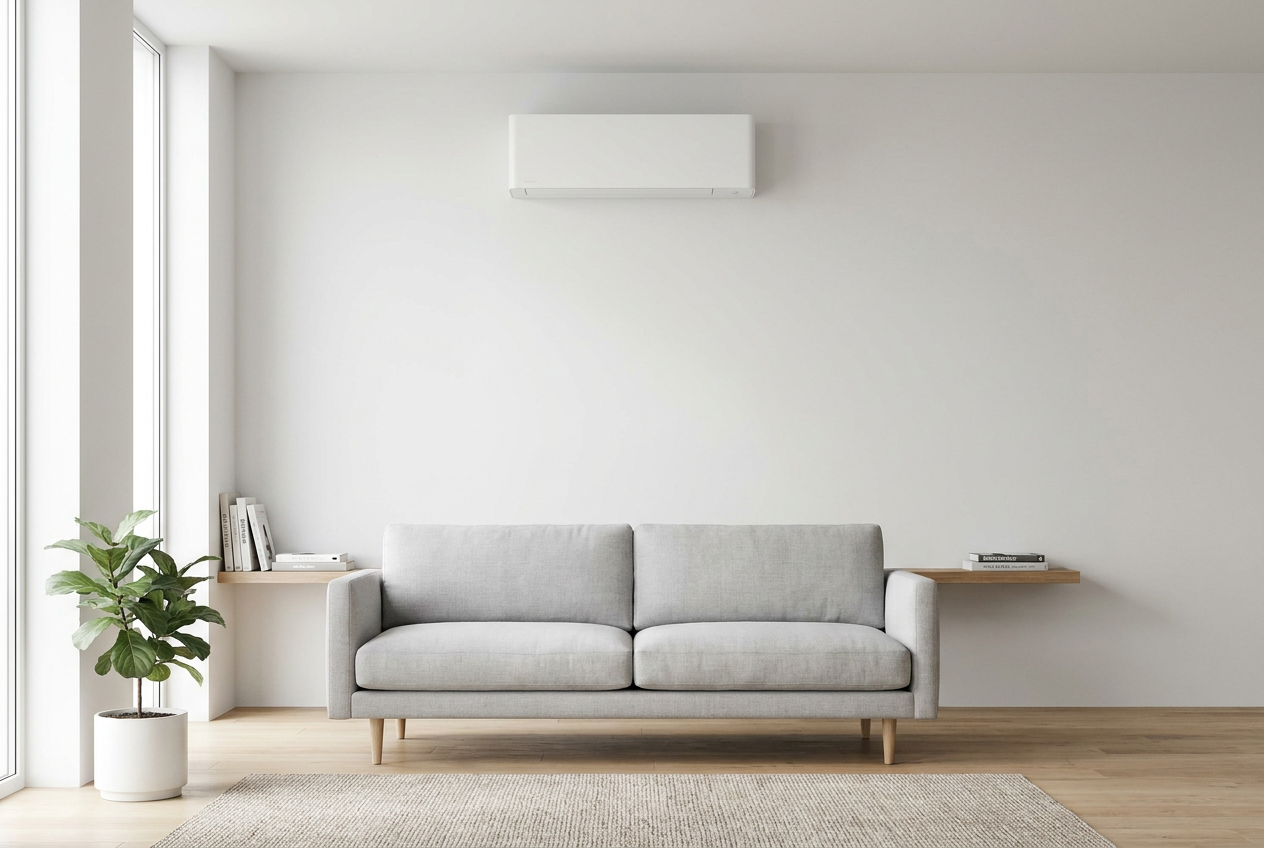
In short: repositioning an indoor heat pump unit — even by just a few centimetres — is almost certainly restricted work under New Zealand law. The refrigerant lines, electrical connections, and drainage involved mean that in most cases you'll need a licensed professional to do the job safely and legally. That said, it's worth understanding exactly what's involved so you can make an informed decision.
Why Moving a Heat Pump Isn't a Simple DIY Job
A split-system heat pump (the most common type in NZ homes) has an indoor unit connected to an outdoor unit via refrigerant pipework, electrical cabling, and a condensate drain line. Even a small repositioning typically requires:
- Disconnecting and re-routing refrigerant lines
- Modifying or extending electrical wiring
- Re-running or adjusting the condensate drain
- Re-mounting the wall bracket in a new position
- Re-gassing or pressure-testing the refrigerant circuit
Each of these steps carries its own regulatory and safety implications.
What Counts as Restricted Work in NZ?
Refrigerant Handling
Handling refrigerants (such as R32 or R410A, common in modern heat pumps) is restricted to licensed refrigeration and air conditioning technicians. Refrigerants can be hazardous — R32 is mildly flammable, and improper handling can cause injury or environmental harm. Venting refrigerants to atmosphere is also illegal under NZ environmental regulations. You must not disconnect or reconnect refrigerant lines yourself.
Electrical Work
Heat pumps are hardwired into your home's electrical system. Any modification to that wiring — including extending cables to a new location — is restricted electrical work that must be carried out by a registered electrician. This is governed by the Electrical Workers Registration Board (EWRB). Doing this work yourself is illegal and could void your home insurance.
Building Consent
Depending on how far you're moving the unit and what penetrations through walls or ceilings are involved, a building consent may be required. Schedule 1 of the Building Act lists certain exemptions for minor work, but these have conditions. Always check with your local council before starting — don't assume your project is exempt.
What Can a Homeowner Do?
There are a few things you can do without a licence:
- Remove the indoor unit from its wall bracket (once the refrigerant has been recovered by a technician and the electrical supply isolated by a registered electrician)
- Patch and repaint the wall where the old unit was mounted
- Mark out and prepare the new mounting location (drilling the bracket holes, for example)
- Discuss the condensate drain route with your installer before they arrive
However, even these tasks should only be done after a licensed professional has safely isolated the system. Never attempt to disconnect refrigerant lines or touch the electrical connections yourself.
Practical Considerations Before You Reposition
Before calling a tradesperson, think through the following:
| Factor | What to Consider |
|---|---|
| Refrigerant line length | Lines can only be extended so far — check manufacturer specs |
| Wall structure | Is the new location on a timber stud or a concrete/brick wall? |
| Drainage | Can the condensate drain reach a suitable outlet from the new position? |
| Airflow | Will the new position allow adequate air circulation and distribution? |
| Electrical supply | Is there a suitable circuit nearby, or will new cabling be needed? |
It's also worth checking the MBIE Building Performance website for guidance on what work requires consent, and reviewing your heat pump manufacturer's installation manual for minimum clearance requirements.
Healthy Homes and Rental Properties
If your property is a rental, the Tenancy Services Healthy Homes standards specify requirements for heating in main living areas. If you're repositioning a heat pump to meet these standards, make sure the new location still satisfies the heating capacity and placement requirements — your installer can advise.
Cost to Have a Professional Reposition a Unit
As a rough guide, having a licensed heat pump installer reposition an indoor unit typically involves a call-out fee, labour for refrigerant recovery and recharge, and any materials (extended pipework, new wall penetrations, etc.). Costs vary significantly depending on complexity and your location — get at least two quotes. BRANZ is a useful resource for understanding building work standards in NZ.
When to Call a Professional
You should call a licensed heat pump installer or refrigeration technician any time the repositioning involves:
- Disconnecting or reconnecting refrigerant lines
- Extending or modifying electrical wiring
- Creating new penetrations through exterior walls
- Re-commissioning or pressure-testing the system
A qualified installer will also ensure the work complies with the NZ Building Code and that any electrical work is signed off with a Certificate of Compliance.
You can find qualified, local heat pump installers on tradedirectory.co.nz — always check that your chosen tradesperson holds the appropriate licences for refrigerant handling and electrical work.
Safety Note
Refrigerant gases can displace oxygen in enclosed spaces and some are flammable. Electrical faults in heat pump wiring are a fire risk. Never attempt to disconnect, move, or reconnect any part of a heat pump system without the appropriate training and licensing. If in doubt, stop and call a professional.



 ISO 9001






